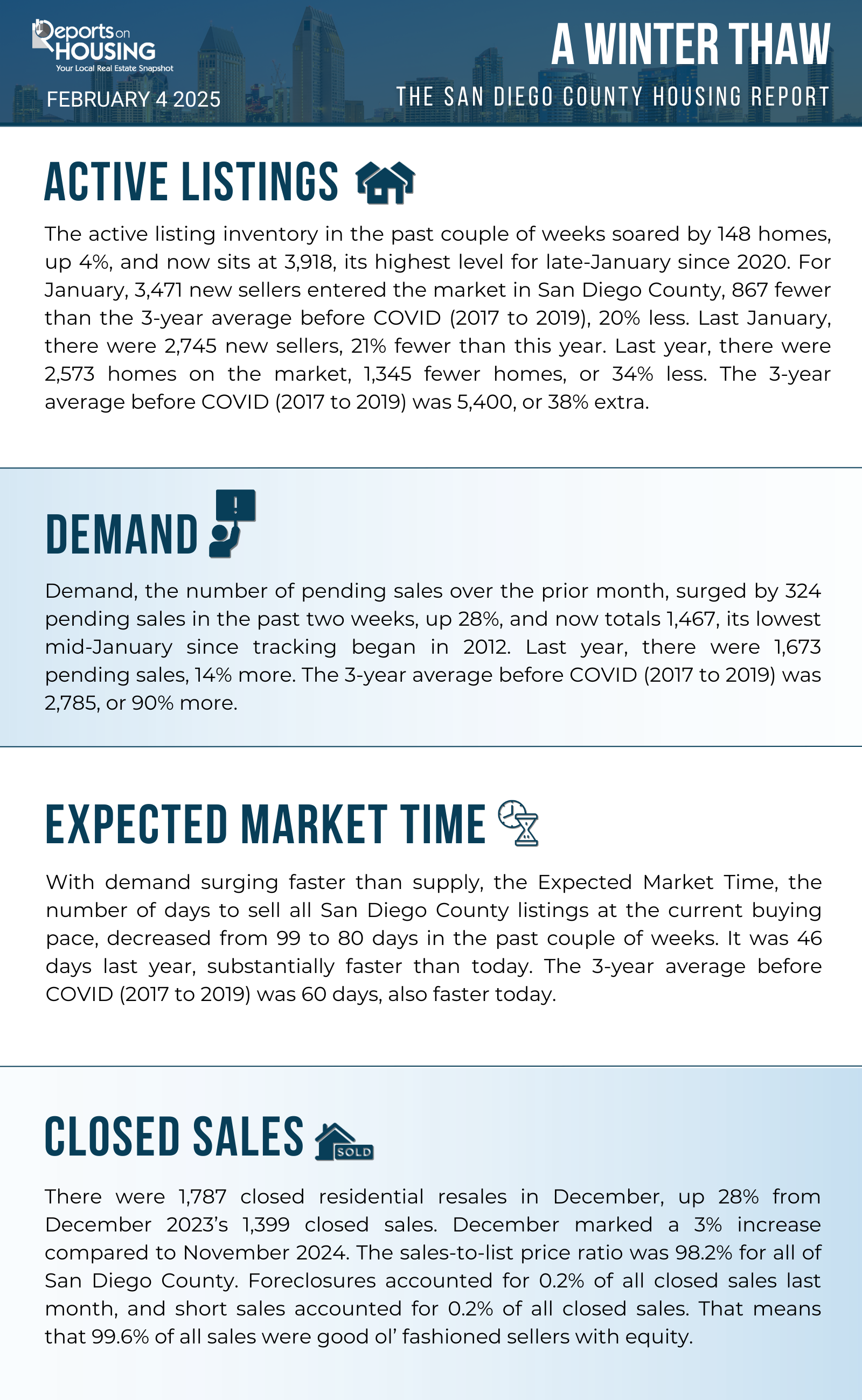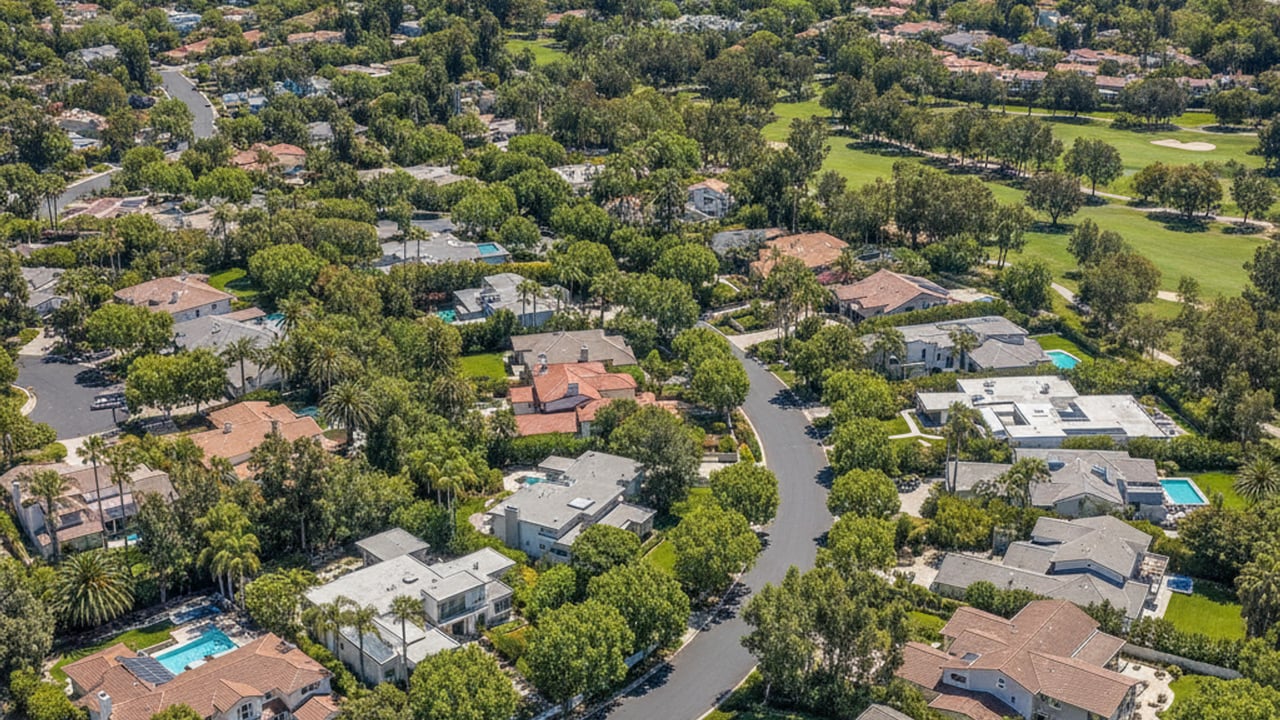
The median sale price for an existing home in Carlsbad, CA sits around $1,420,000. With roughly 252 homes currently on the market and properties selling in about 27 days, even buyers working with the best real estate agent in Carlsbad, CA often find themselves competing for houses that do not perfectly match their needs. Building a new residence offers an alternative to bidding on aging properties.
Purchasing a vacant lot and constructing a residence allows you to control the floor plan, finishes, and location. The process involves securing financing, passing coastal and city reviews, and managing construction costs. Understanding the local zoning rules and building expenses helps you budget accurately before breaking ground.
What It Costs to Build a House in Carlsbad, CA
Custom home building in the area generally runs between $400 and $600 per square foot. For a standard 2,500-square-foot house, you should expect to spend between $1,000,000 and $1,500,000 on construction alone. These figures cover building materials and labor, but they do not include the price of purchasing the land.
You also need to budget for soft costs before the physical work begins. These expenses include architectural building plans, structural engineering, and city permit fees. Site preparation, such as grading uneven terrain or running utility lines to an undeveloped lot, adds to the total bill.
Buyers looking to control expenses sometimes choose modular homes instead of traditional stick-built properties. Because crews build modular homes off-site in a factory setting, the timeline is often shorter and labor costs are more predictable. However, custom site-built homes remain the standard for high-end coastal neighborhoods.
Finding and Buying a Vacant Lot
Available land in Carlsbad is scarce, but buyers occasionally find undeveloped parcels in established areas like La Costa and Aviara. These neighborhoods sit close to Interstate 5, McClellan-Palomar Airport, and Carlsbad State Beach. A lot's purchase price depends on its size, topography, and whether it offers ocean or golf course views.
Undeveloped land requires thorough due diligence before closing the real estate transaction. You should verify that the property has easy access to municipal water, sewer, and electrical connections. A soil test is also standard practice to confirm the ground can support a foundation without expensive structural reinforcement.
City Permits, Zoning, and Impact Fees
The City of Carlsbad Planning Division reviews all new residential construction to ensure projects align with local zoning laws. You or your architect will submit detailed site plans, structural drawings, and energy calculations to obtain a building permit. The city will not let you begin grading or pouring concrete until these documents pass review.
Beyond standard permit fees, the city charges development impact fees to fund public infrastructure like roads and sewer systems. The Carlsbad Unified School District also applies a developer fee to new residential construction. For 2026, the district charges $5.38 per square foot for residential builds, which adds about $13,450 to a 2,500-square-foot project.
Managing the paperwork and local government communication takes time and specialized knowledge. Most property owners hire a licensed general contractor or an experienced architect to handle the permit submissions. This keeps the project moving and prevents costly delays from incomplete applications.
California Coastal Commission Regulations
About 37% of Carlsbad sits inside the state coastal zone, which introduces another layer of oversight. If your lot falls within this boundary, a Coastal Development Permit is required before any site work begins. This process protects public views, natural habitats, and shoreline access.
Coastal regulations dictate exactly where and how you can construct your residence. Rules regarding bluff stability often force builders to set homes farther back from the property line. The commission also monitors grading to prevent erosion and runoff into the ocean.
Building height limits are binding in these coastal neighborhoods. If your design includes a daylighted basement with exposed exterior walls, those lower levels count toward the maximum allowable building height. Architects familiar with the area will design your floor plans to maximize square footage without violating these height caps.
State Building Codes and Environmental Rules
Every new home built in California must comply with the 2026 Title 24 energy efficiency standards. These statewide mandates require builders to install solar panels on all newly constructed residential properties. Your general contractor will also schedule a Home Energy Rating System (HERS) test to verify that the HVAC system and ductwork meet state efficiency targets.
Water conservation rules dictate how you design your exterior spaces. The state and city require drought-tolerant landscape designs for new residential construction to minimize irrigation demands. You will need to submit a landscaping plan that prioritizes native plants and limits high-water grass lawns.
While these environmental regulations increase upfront building costs, they lower long-term utility bills. High-performance insulation, double-paned windows, and solar generation make the house cheaper to heat and cool. Buyers should factor these long-term savings into their initial budget calculations.
How to Build, Step by Step
The journey from an empty lot to a finished residence happens in distinct phases. The timeline depends on the complexity of your design, weather conditions, and the speed of city permit approvals. Most projects take between 12 and 18 months once you close on the land.
The physical construction follows a predictable sequence. Buyers should track the following milestones:
- Securing a construction loan and establishing a total budget.
- Hiring a builder to finalize floor plans, engineering, and interior finishes.
- Grading the home site and pouring the concrete foundation.
- Framing the structure, installing roofing, and roughing in electrical and plumbing lines.
- Completing interior finishes, passing the final inspection, and receiving the certificate of occupancy.
A construction loan functions differently than a standard mortgage. The lender releases funds in stages, known as draws, as the builder completes each phase of the project. Once the city issues the certificate of occupancy, the loan typically converts into a permanent traditional mortgage.
Frequently Asked Questions
Can I legally build my own house in California as an owner-builder?
Yes, California allows property owners to act as their own general contractor under an owner-builder permit. Owner-builders must supervise the job themselves and hire licensed subcontractors for specialized trades like plumbing and electrical work. This route saves on contractor markups but requires a massive time commitment and deep knowledge of local building codes.
How much does it cost to build a house in Carlsbad, CA?
Construction rates typically range from $400 to $600 per square foot for a custom residence. A standard 2,500-square-foot house will cost around $1,250,000 for materials and labor. This estimate excludes the cost of purchasing the vacant lot and paying for city permits.
Is $200,000 enough to build a house in Carlsbad, CA?
No, $200,000 will not cover the construction of a standard single-family home in this area. At current labor and material rates, that budget might only fund a small accessory dwelling unit (ADU) or a major interior renovation. Building a ground-up custom house requires a budget well over $1,000,000.
How long does it take to build a custom home in Carlsbad, CA?
The entire process usually takes 18 to 24 months from buying the land to moving in. Designing the plans and pulling city permits can consume the first six to nine months. The physical construction phase generally takes another 10 to 15 months depending on the home's complexity.
How much are the city permit and impact fees for new home construction in Carlsbad, CA?
Permit and impact fees vary widely based on the home's size and location, often totaling tens of thousands of dollars. For example, the Carlsbad Unified School District charges a developer fee of $5.38 per square foot. You also pay fees to fund local roads, parks, and sewer infrastructure.
Do I need California Coastal Commission approval to build a custom home in Carlsbad?
You only need this approval if your lot sits within the designated coastal zone, which covers about 37% of the city. Properties west of Interstate 5 and around the local lagoons generally fall into this area. If your land is in this zone, a Coastal Development Permit is required before breaking ground.
What are the biggest hidden costs when buying vacant land to build on in Carlsbad, CA?
Site preparation and utility connections often surprise buyers with undeveloped parcels. Grading a steep lot or bringing water and electrical lines from the street to the house can add $50,000 to $100,000 to the project. Soil remediation is another expensive hurdle if the ground cannot naturally support a foundation.