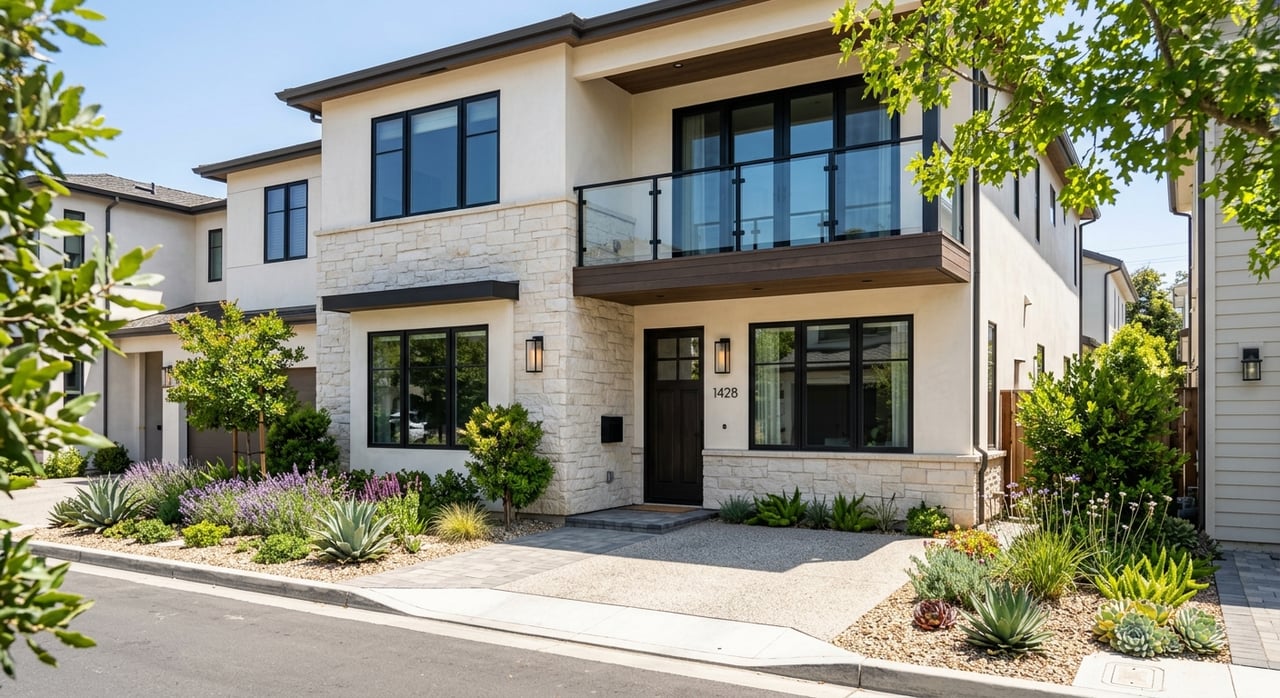
If Carmel Valley has ever felt hard to pin down, you are not imagining it. One part of the community feels centered on shops, dining, and daily convenience, while another feels newer, more open, and more removed from the busiest hubs. If you are trying to figure out where you might feel most at home, this guide will help you understand how Carmel Valley is organized, how lifestyles change by pocket, and what that can mean for your budget and routine. Let’s dive in.
Carmel Valley Is Not One Uniform Neighborhood
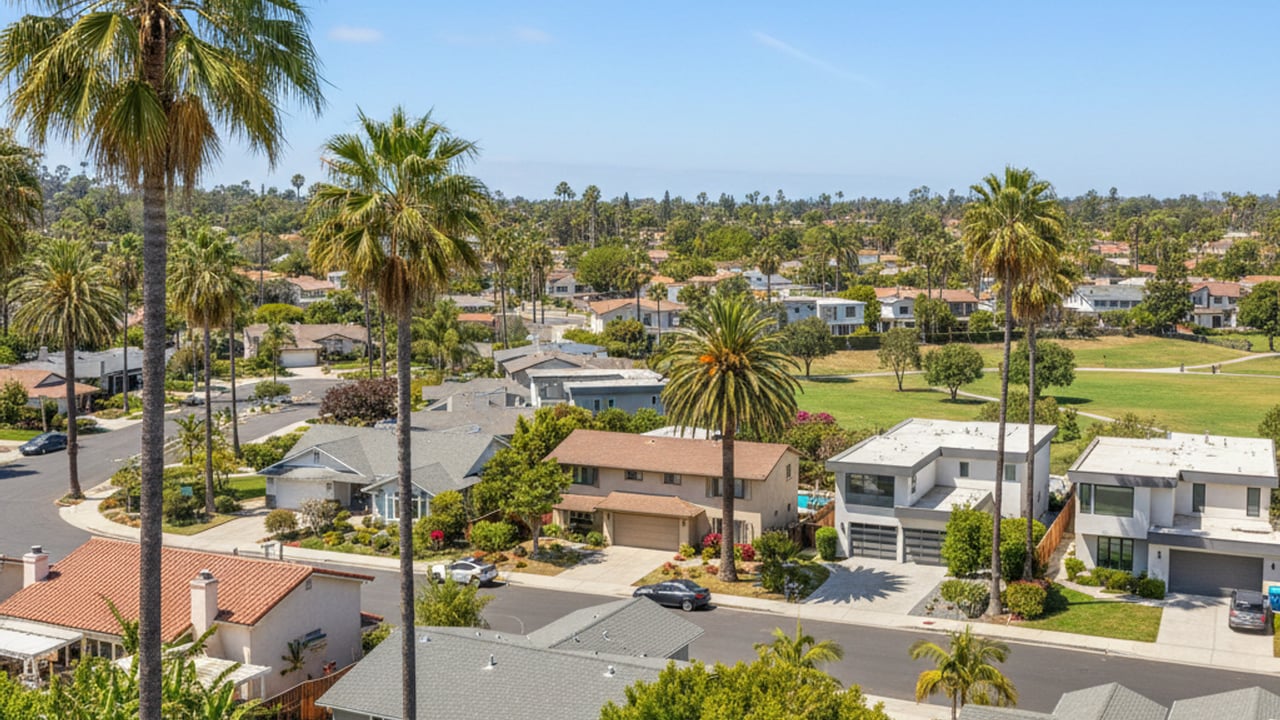
Carmel Valley is best understood as a master-planned community made up of distinct pockets, not one single neighborhood with the same look and feel throughout. The City of San Diego describes it as a community of about 39,000 people along the I-5 corridor, with neighborhood parks, a recreation center, open-space trails, and a commercial core centered around Del Mar Highlands. The city also notes that the first homes in the planned community were built in 1983.
That history matters because the community developed in phases. City planning documents organize Carmel Valley into several precise-plan neighborhoods, which means local character can shift quite a bit from one subarea to the next. In practical terms, that is why two homes in Carmel Valley can offer very different experiences even if they share the same 92130 ZIP code.
Carmel Valley’s Main Lifestyle Pockets
When you compare Carmel Valley, it helps to think in three broad lifestyle buckets. These are not the only subareas, but they are the clearest way to understand how buyers often experience the community.
Del Mar Highlands and Town Center
This is the most convenience-oriented part of Carmel Valley. City planning documents describe the core as a mixed-use center with community shopping, multifamily housing, schools, a public library, a community park, and the employment center across El Camino Real.
A city amendment report says the town center area includes Del Mar Highlands Town Center, roughly 70 shops and restaurants, an 18-acre community park, a public library, middle and elementary schools, and about 2,000 multifamily dwellings. If you want to be close to errands, dining, and activity, this pocket often stands out first.
One Paseo Area
One Paseo sits near the central core just north of SR-56 and close to I-5. It is a mixed-use project with self-parking, EV charging, and a bike-friendly design, which adds to its appeal for buyers who want a more connected daily routine.
In lifestyle terms, this area supports a more hub-based way of living. You may still drive often, but you can also enjoy having shopping, dining, and gathering places concentrated nearby. That makes this pocket especially appealing for buyers who want convenience without assuming the entire community functions like a walkable downtown.
Pacific Highlands Ranch
Pacific Highlands Ranch is one of the newer residential areas within the broader Carmel Valley planning area. The city says it covers about 2,650 acres, preserves about half as open space, and is planned around a village center with walkable streets, neighborhood shopping, restaurants, entertainment, and multifamily housing.
The newer feel shows up in its design and amenities. City sources point to solar panels, drought-tolerant landscaping, a recreation center that opened in 2019, and a public library that opened in 2024. If you are drawn to newer homes, a more master-planned feel, and stronger open-space presence, this area often rises to the top.
Older Central and Western Tracts
Some parts of Carmel Valley reflect the original planning vision more closely than the newest areas do. The city’s original concept focused on preserving canyons and concentrating development on mesa tops, with a more intense core surrounded by decreasing residential densities.
That helps explain why older built-out pockets can feel more established. You may notice more mature landscaping, a more settled street pattern, and a stronger connection to the community’s earlier phases of growth. For some buyers, that established feel is a major plus.
How Home Types Change by Area
One of the biggest reasons Carmel Valley can feel confusing at first is that the housing mix changes by pocket. Instead of expecting the same home style everywhere, it helps to match the product type to the area.
Core Areas Offer More Attached Options
Around Del Mar Highlands, the Town Center, and One Paseo, the housing mix includes a larger attached and multifamily component near shopping, schools, and employment uses. That can create more options for buyers who want condos, townhomes, or a lower-maintenance setup close to everyday conveniences.
This does not mean detached homes are absent from the broader area. It simply means the central mixed-use core tends to provide more variety in attached housing than some of the more established detached-home streets elsewhere in Carmel Valley.
Pacific Highlands Ranch Blends Newer Formats
Pacific Highlands Ranch includes newer detached homes, townhomes, and multifamily options within its village-style framework. That mix can work well if you want newer construction but still want flexibility in size, layout, or maintenance level.
Because the area was planned with open space and neighborhood-serving uses in mind, the lifestyle here often feels intentionally structured. Buyers who want a newer home and a neighborhood design that feels cohesive often focus here.
Older Tracts Lean More Established
Older central and western parts of Carmel Valley generally include more established detached-home streets, along with some attached product. If you are looking for a home in a more mature setting, these neighborhoods may feel different from the newer eastern edge.
This is one reason local guidance matters. Two listings may both say Carmel Valley, but the home type, lot feel, and day-to-day rhythm can differ more than buyers expect.
What Carmel Valley Costs Today
Carmel Valley remains a premium market by county standards, with a wide price range depending on property type, size, condition, and location. Zillow’s current Carmel Valley home value estimate is about $1.97 million, and the site reports homes going pending in around 13 days.
The San Diego Association of Realtors April 2026 MLS update for 92130 showed a median detached sales price of $2.475 million and a median attached sales price of $1.16 million. Supply also differed by product type, with 2.2 months of supply for detached homes and 3.3 months for attached homes.
Recent sold examples show just how broad the range can be within the same community. Attached homes recently sold from roughly $575,000 to $905,000, while detached sales included homes around $2.335 million and $4.6 million. That spread is a good reminder that budget conversations in Carmel Valley work best when tied to specific pockets and home types, not just the community name.
Commute and Daily Routine Matter Here
Carmel Valley’s daily rhythm is shaped heavily by roads and hubs rather than one continuous pedestrian-friendly downtown. Regional access centers on I-5 and SR-56, while Carmel Valley Road, El Camino Real, Carmel Creek Road, and Carmel Country Road connect the subareas.
That setup can be a real advantage if you want efficient regional access. At the same time, it is helpful to know that Carmel Valley is not uniformly walkable. Redfin labels the area as minimally walkable, with a Walk Score of 37, and the city notes that the Pacific Highlands Ranch recreation center is not accessible by public transit.
In real life, many residents experience Carmel Valley as a series of activity nodes. Del Mar Highlands Town Center and One Paseo offer concentrated shopping, dining, parking, EV charging, and community activity, while parks, libraries, and recreation amenities are distributed across the area. Your best fit often depends on whether you want to be closest to those hubs or would rather trade some convenience for a newer or more open setting.
School Boundaries Vary by Address
If school assignment is part of your search, Carmel Valley is important to verify carefully by property address. District coverage is not uniform across the community.
The Del Mar Union School District serves a portion of Carmel Valley and lists several Carmel Valley schools. The Solana Beach School District says it serves portions of Carmel Valley and Pacific Highlands Ranch. The San Dieguito Union High School District includes Carmel Valley Middle School and Torrey Pines High School.
The key takeaway is simple: do not assume one district or school pattern applies across all of Carmel Valley. If a specific address is on your shortlist, verifying assignment early can save time and avoid surprises.
Which Carmel Valley Lifestyle Fits You Best?
The right pocket usually comes down to how you want your days to feel. Carmel Valley is easier to navigate when you start with lifestyle first and then narrow by home type and budget.
You May Prefer the Core If You Want Convenience
If you want the highest concentration of dining, shopping, and community activity, the Del Mar Highlands and One Paseo area is often the strongest match. This part of Carmel Valley offers the most mixed-use feel and tends to place you closer to retail, schools, and employment uses.
For some buyers, that means an easier daily routine. For others, it means a setting that feels more active and less tucked away.
You May Prefer Pacific Highlands Ranch If You Want Newer Surroundings
If newer construction, open space, and a more recently built master-planned feel matter most, Pacific Highlands Ranch may be the better fit. The area’s newer recreation and library amenities, preserved open space, and village-style planning support that appeal.
This pocket can feel especially compelling if you want a fresh, cohesive environment and are comfortable with a more car-dependent routine in some areas.
You May Prefer Older Tracts If You Want an Established Feel
If mature landscaping, established streets, and proximity to earlier phases of Carmel Valley development matter more to you, the older central and western tracts deserve a close look. These neighborhoods often appeal to buyers who want a setting that feels settled rather than newly built.
This can be a smart direction if you value the sense of history within the community and want to compare older detached-home pockets near the original core.
Why Local Guidance Helps in Carmel Valley
Carmel Valley looks simple on a map, but it plays much more like a set of linked submarkets. The difference between the convenience-heavy core, the newer Pacific Highlands Ranch edge, and the older built-out tracts can affect your routine, commute, housing options, and pricing far more than many buyers expect.
That is why it helps to look beyond the community name and focus on how each pocket actually lives day to day. If you are weighing Carmel Valley against other coastal North County areas, or trying to decide which part of Carmel Valley best fits your goals, working with someone who knows the local nuance can make the process much clearer.
If you are thinking about buying or selling in Carmel Valley, Amy Green can help you compare neighborhoods, understand the market by pocket, and make a confident plan that fits your goals.
FAQs
What makes Carmel Valley neighborhoods feel different from each other?
- Carmel Valley is a master-planned community with distinct subareas, so lifestyle, home types, and daily convenience can change significantly from one pocket to another.
What is the most convenience-oriented part of Carmel Valley?
- The Del Mar Highlands, Town Center, and nearby One Paseo area is the most convenience-focused pocket, with concentrated shopping, dining, parks, library access, schools, and multifamily housing.
What is Pacific Highlands Ranch like in Carmel Valley?
- Pacific Highlands Ranch is one of the newer areas within Carmel Valley, known for a newer master-planned feel, open space, village-style development, and a mix of detached homes, townhomes, and multifamily options.
Are all Carmel Valley homes the same price range?
- No. Carmel Valley has a wide price spread, with attached homes and detached homes often occupying very different price tiers depending on location, size, and condition.
Is Carmel Valley walkable for everyday living?
- Carmel Valley is better described as hub-based than fully walkable, with many daily activities centered around places like Del Mar Highlands and One Paseo while much of the community remains car dependent.
Do school assignments stay the same across all of Carmel Valley?
- No. School district coverage varies by address, so buyers should verify school assignment for any specific property they are considering.