Carmel Valley, CA sits inland from the Monterey coast in a way that gives it a noticeably different climate and pace than the shoreline communities nearby. Buyers tracking the population across Carmel Valley, CA zip codes are usually trying to get a feel for how competitive the search will be before they start making offers.
The numbers make that competition pretty clear. The median home sale price is around $2,179,000, and homes are averaging just 17 days on the market. Knowing how the local population is distributed - and where it's headed - helps you set realistic expectations before you fall in love with a property.
Current Resident Numbers and Growth Rates
The most recent U.S. Census data from 2020 puts the Carmel Valley Village Census Designated Place (CDP) at 4,524 residents. That's a 2.7% increase from the 2010 count of 4,407 - modest by any measure.
Zoom out past the village center and you're looking at the broader Carmel Valley Census County Division, which covers roughly 189 square miles of the Carmel River watershed. That larger area had a 2020 population of 6,189, with recent five-year estimates placing the number around 6,129. Stable and slow-growing is the honest description here - this isn't a place experiencing a population surge.
How Resident Demand Shapes the Local Housing Market
Slow population growth doesn't mean slow buyer demand. Those are two different things in Carmel Valley, and the gap between them is where sellers hold the advantage.
The area currently sits at about 2.2 months of housing supply - well below what would be considered a balanced market. There are just 69 active listings available right now. Roughly 36% of recent sales closed above asking price, which tells you something about how buyers are behaving when a property they want comes up. You'll want to be ready to move.
Available Homes and Buyer Demand
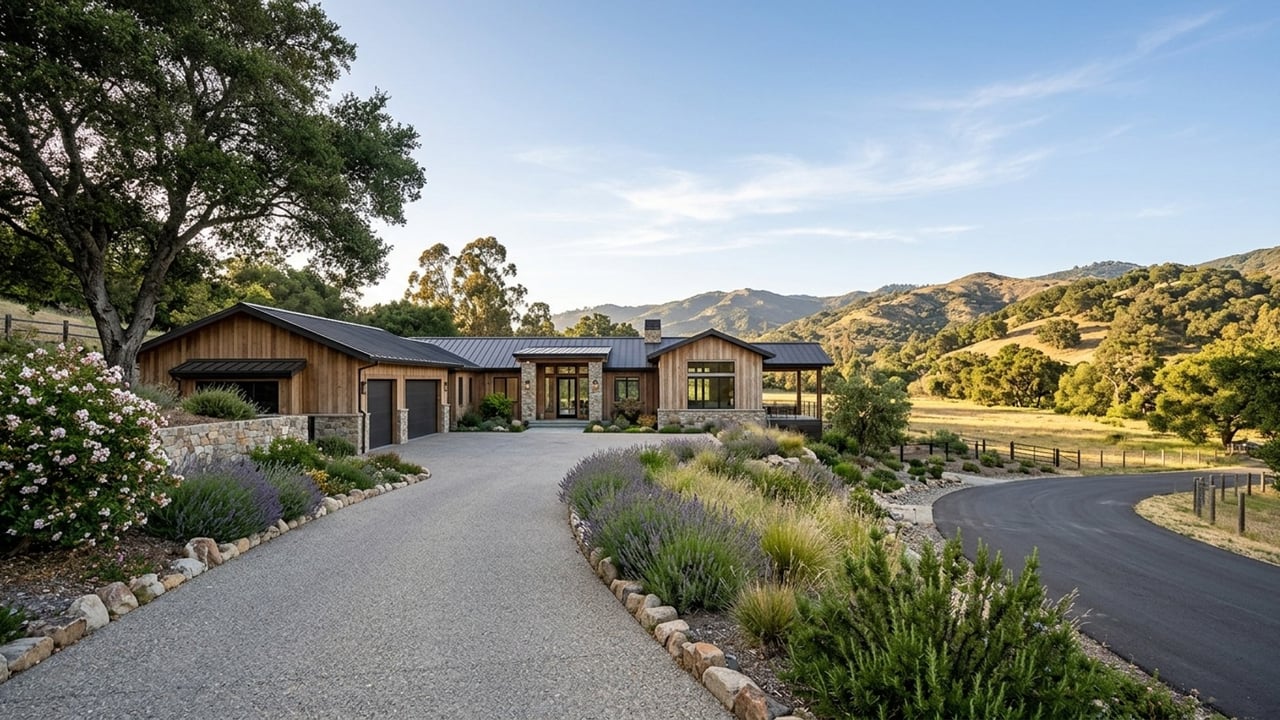
ZIP code 93924 offers a mix of large land parcels and single-family homes, but the overall inventory stays constrained. Third-party platforms show active listings fluctuating somewhere between the low 60s and low 80s - not a lot of runway for comparison shopping.
During a recent tracking period, 96 homes sold in the area, so properties do change hands. The average sale-to-list price ratio is 100.2%, which means most sellers are walking away with their full asking price, or close to it.
Recent Construction and Future Development
Monterey County tracks several major projects in the area. The Rancho Cañada Village Subdivision has a site plan for 93 single-family lots, 12 townhomes, and 40 affordable or workforce housing units near Carmel Valley Road.
On the commercial and visitor side, the Monterey County Planning Commission approved a project at Carmel Valley Ranch in July 2025 to replace seven lodge buildings, resulting in a net gain of 27 visitor-serving units.
Space, Density, and the Local Layout
That 189-square-mile watershed shapes almost everything about how properties are laid out here. Whether you want acreage or walkable proximity to the village, location within the watershed matters a lot.
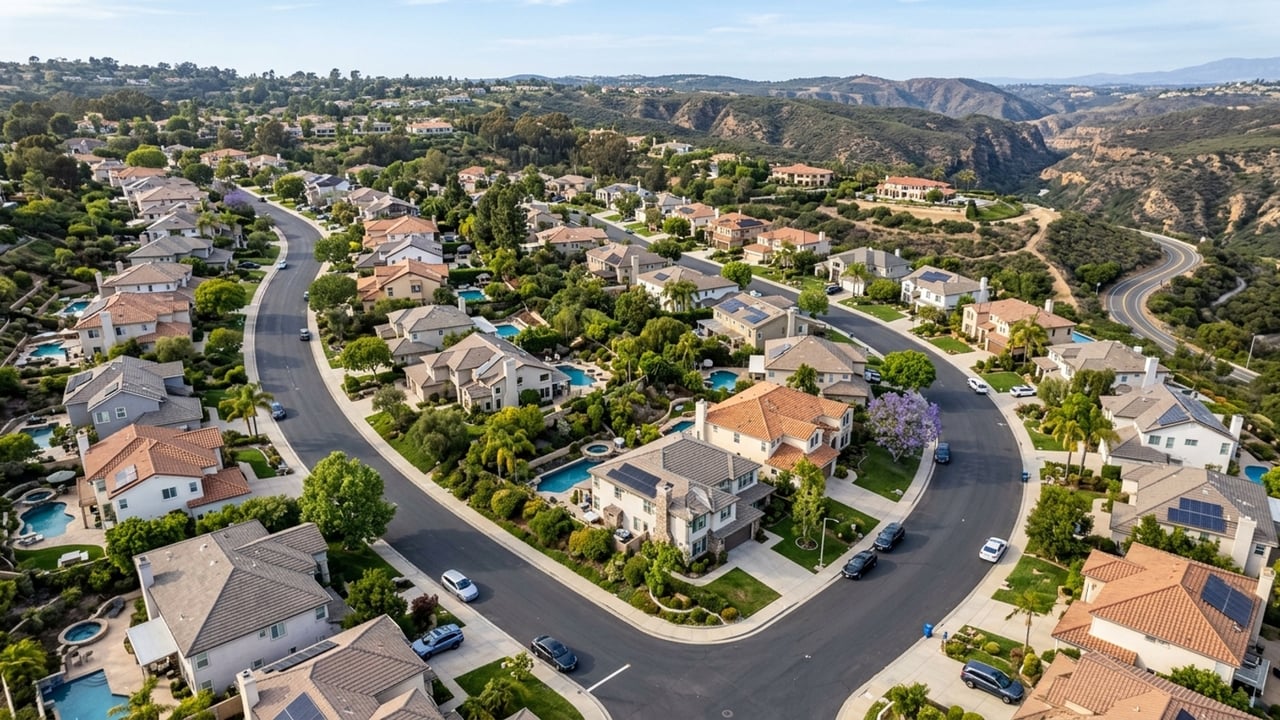
The Carmel Valley Village CDP has a population density of about 238 inhabitants per square mile. That's close enough to mean actual neighbors and reasonable access to local shops and commercial spaces within the village itself.
Property Sizes and Rural Spacing
Outside the village, density drops dramatically. The broader Census County Division spreads roughly 6,100 residents across the full watershed - about 32 to 33 people per square mile.
That translates directly to larger lots and more distance between homes. If acreage is your priority, you'll generally be looking at the less densely populated sections of Monterey County rather than the village core.
Getting Around Town
Carmel Valley Road is the main artery. Everything connects through it - the various subdivisions, the rural parcels, and the route out to the broader Monterey County region. The Rancho Cañada Village Subdivision is built around access to that road for a reason.
The spread-out nature of the county division means personal vehicles handle most errands. Drive times along Carmel Valley Road are worth factoring in when you're deciding how far from the village center you're willing to go.
Frequently Asked Questions
Is the population in Carmel Valley, CA made up mostly of young families or retirees?
The U.S. Census data tracks the total village population at 4,524, but Fair Housing laws prevent steering based on familial status or age. Focus on the area's physical features - the 189-square-mile watershed, the available single-family homes, the lot sizes - to decide whether it fits your life.
How rapidly is the Carmel Valley population growing, and how is that impacting local housing inventory?
The village population grew 2.7% between 2010 and 2020. Despite that slow growth, inventory stays tight - just 69 active listings at the moment, with a median sale price of roughly $2,179,000.
How densely populated is Carmel Valley compared to neighboring coastal communities like Del Mar?
The Carmel Valley village sits at 238 people per square mile; the broader rural area drops to just 32 to 33 people per square mile. Del Mar neighbors a different Carmel Valley located in San Diego, so direct density comparisons do not apply to this Monterey County community.
What types of out-of-town buyers are currently driving the population shifts in Carmel Valley?
Buyer demographics aren't tracked in the available market data, and Fair Housing regulations keep the focus on properties rather than the people purchasing them. What the data does show is strong demand across the board - average days on market is down to just 17 days.
Does Carmel Valley feel overcrowded with traffic during peak commute hours despite its suburban population size?
The broader area's density of 32 to 33 people per square mile keeps immediate local congestion limited. That said, new development like the Rancho Cañada Village Subdivision near Carmel Valley Road will add 93 single-family lots and 12 townhomes to the local traffic mix over time.
What percentage of the population in Carmel Valley consists of renters versus homeowners?
The most recent U.S. Census and market data don't break down renters versus homeowners for this area. The current housing market shows 69 active properties for sale.