By Amy Green
Coastal Modern and Spanish Revival represent two different philosophies for building a coastal San Diego home, and most buyers lean firmly toward one over the other. Coastal modern favors clean lines, glass, and a minimal footprint, while Spanish Revival leans on white stucco, arched doorways, and red tile roofs that trace back nearly a century in this region. Knowing what separates them helps buyers recognize which style fits how they want to live.
Key Takeaways
- Learn what defines Coastal Modern architecture in San Diego.
- Discover the key features that make Spanish Revival homes distinct.
- Find out how each style handles light, materials, and outdoor space.
- Understand which style tends to suit different lifestyles and priorities.
What Defines Coastal Modern Architecture
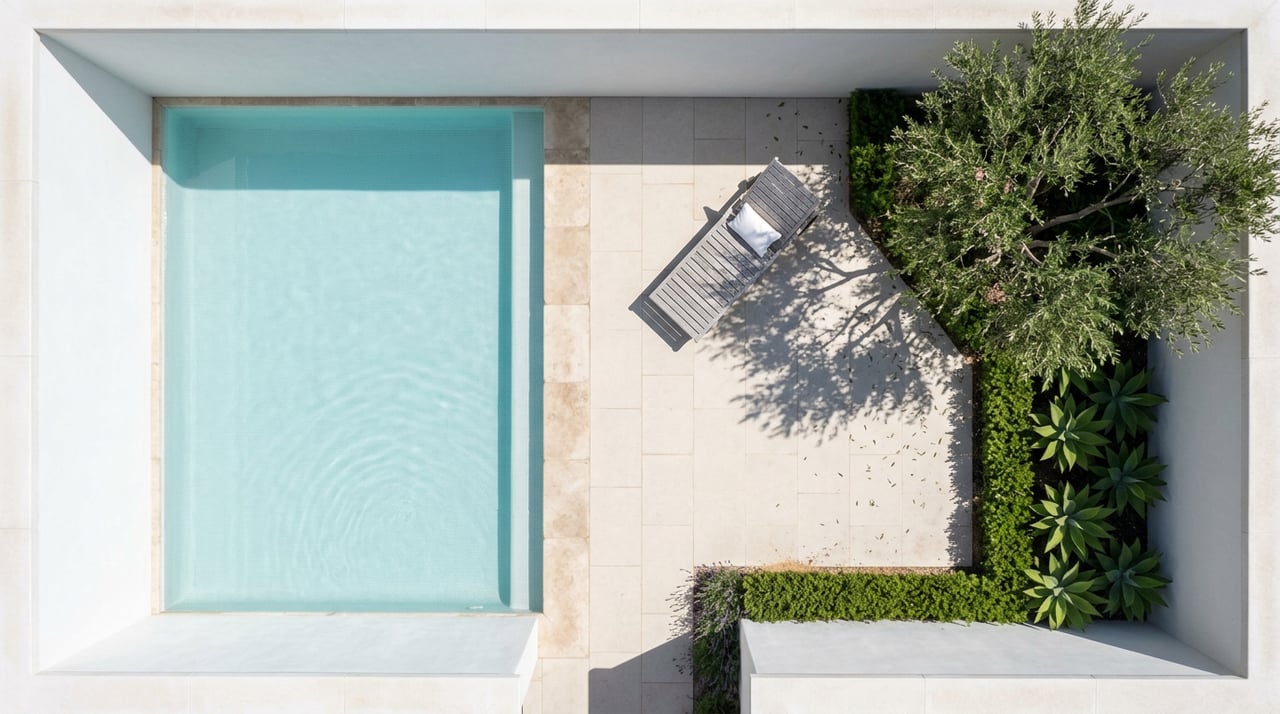
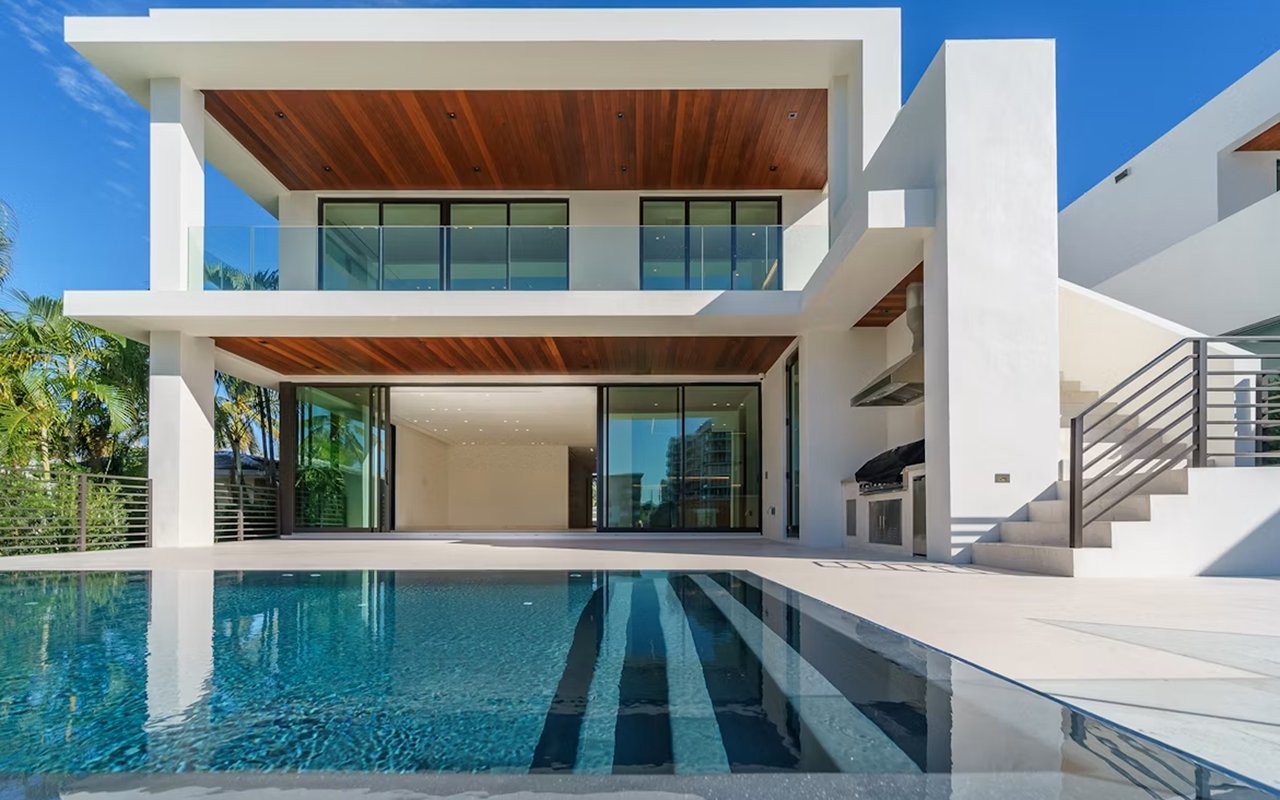
Coastal Modern homes strip away ornamentation in favor of clean lines and open space. The style prioritizes light, simplicity, and a direct visual connection to the water or landscape.
Features That Define Coastal Modern Homes
- Flat or low-slope rooflines instead of pitched, tiled roofs
- Large expanses of glass, including floor-to-ceiling windows and sliding walls
- Neutral, monochromatic color palettes inside and out
- Clean-lined cabinetry and minimal trim throughout the home
- Materials like steel, concrete, and glass used deliberately and sparingly
The result is a home that feels open, quiet, and closely tied to its setting.
What Defines Spanish Revival Architecture
Spanish Revival homes lean into texture, history, and warmth rather than minimalism. The style has deep roots in Southern California and remains a defining look in parts of coastal San Diego.
Features That Define Spanish Revival Homes
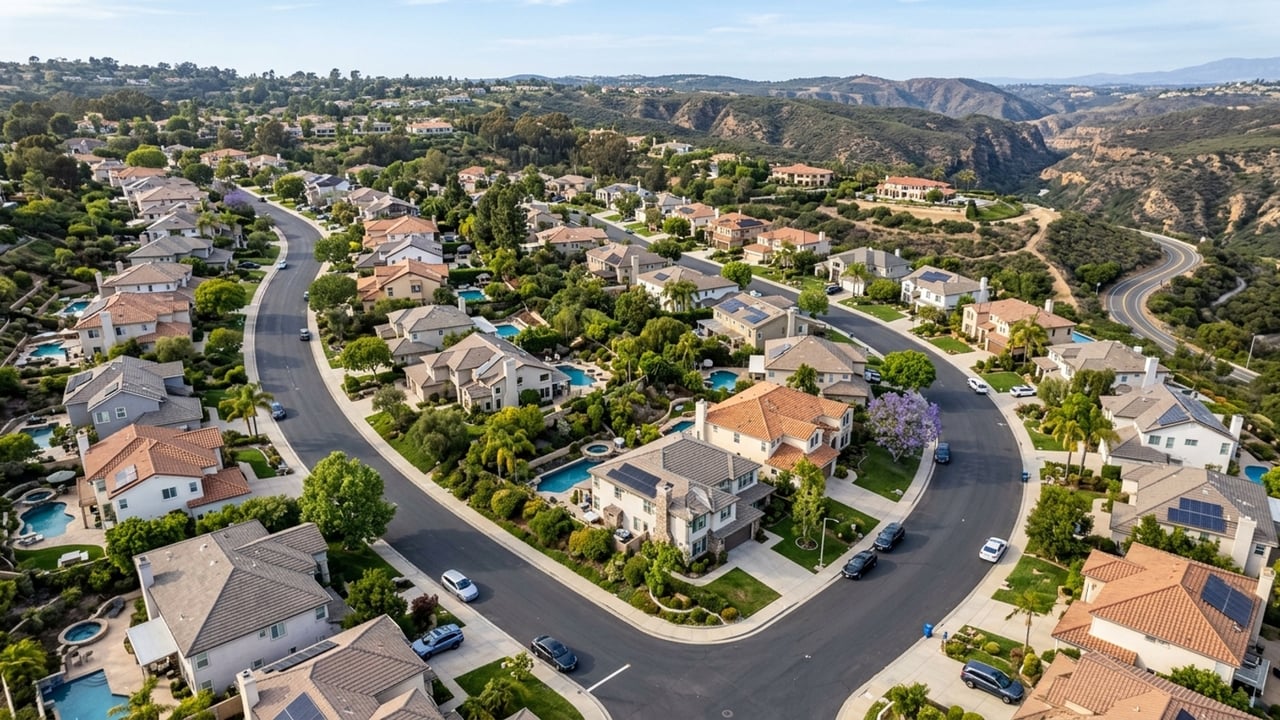
- White or cream stucco exteriors with rounded or textured finishes
- Red clay tile roofs, often with a low pitch
- Arched doorways, windows, and interior passageways
- Wrought iron details on railings, light fixtures, and window grilles
- Courtyards or covered patios built around a central outdoor space
These details give Spanish Revival homes a sense of permanence that many buyers find appealing.
How Each Style Handles Light And Outdoor Living
Both styles bring the outdoors into daily life, though they approach it differently. Comparing how each handles light and outdoor space highlights the real difference between them.
Where The Two Styles Diverge
- Coastal Modern relies on expansive glass to flood interiors with natural light
- Spanish Revival uses smaller, arched windows paired with covered outdoor rooms
- Coastal Modern outdoor spaces often extend the home's clean lines onto a deck or patio
- Spanish Revival courtyards create a more enclosed, private outdoor room
- Coastal Modern favors open sightlines, while Spanish Revival leans toward layered, framed views
Neither approach is better than the other. They simply create different everyday experiences.
Which Style Might Fit Your Lifestyle
Choosing between these styles often comes down to how someone wants a home to feel, not just how it looks. A few factors can help narrow down which direction makes more sense.
Factors Worth Considering
- A preference for open, airy interiors versus warm, textured spaces
- How much upkeep you're willing to put into a tile roof or stucco exterior
- Whether privacy or unobstructed views matter more in daily life
- A pull toward minimalism versus an appreciation for historic character
- How a home's architecture fits the surrounding neighborhood, whether in Carlsbad, Encinitas, or elsewhere along the coast
There's no wrong choice, only the style that matches how you want to live in a coastal home.
Frequently Asked Questions
Does one style tend to sell faster than the other in coastal San Diego?
Both styles attract strong interest here, though it often comes down to the specific neighborhood and buyer pool at the time. I've seen well-maintained examples of each style sell quickly when priced and marketed correctly.
Can elements of both styles work well in the same home?
Yes, some of the most interesting coastal San Diego homes blend clean, modern layouts with Spanish-inspired details like arches or tile accents. I always point out these blended homes to buyers who can't decide between the two styles.
Which style typically requires more maintenance?
Spanish Revival homes generally require more upkeep, particularly around tile roofs and stucco exteriors. Coastal Modern homes trade that maintenance for large amounts of glass, which comes with its own cleaning and energy considerations.
Contact Amy Green
Architectural style shapes how a coastal San Diego home shows to buyers just as much as location or square footage. If you're deciding between Coastal Modern and Spanish Revival for your next home, contact Amy Green and I'll help you weigh the options.