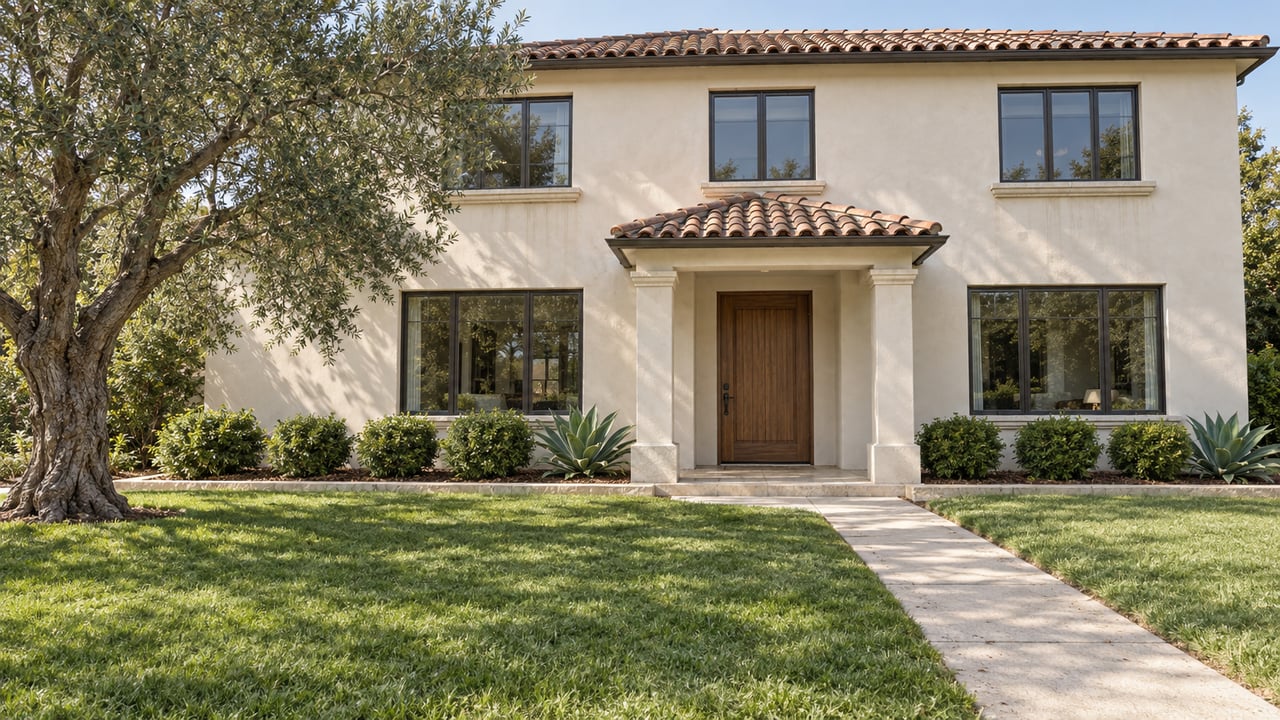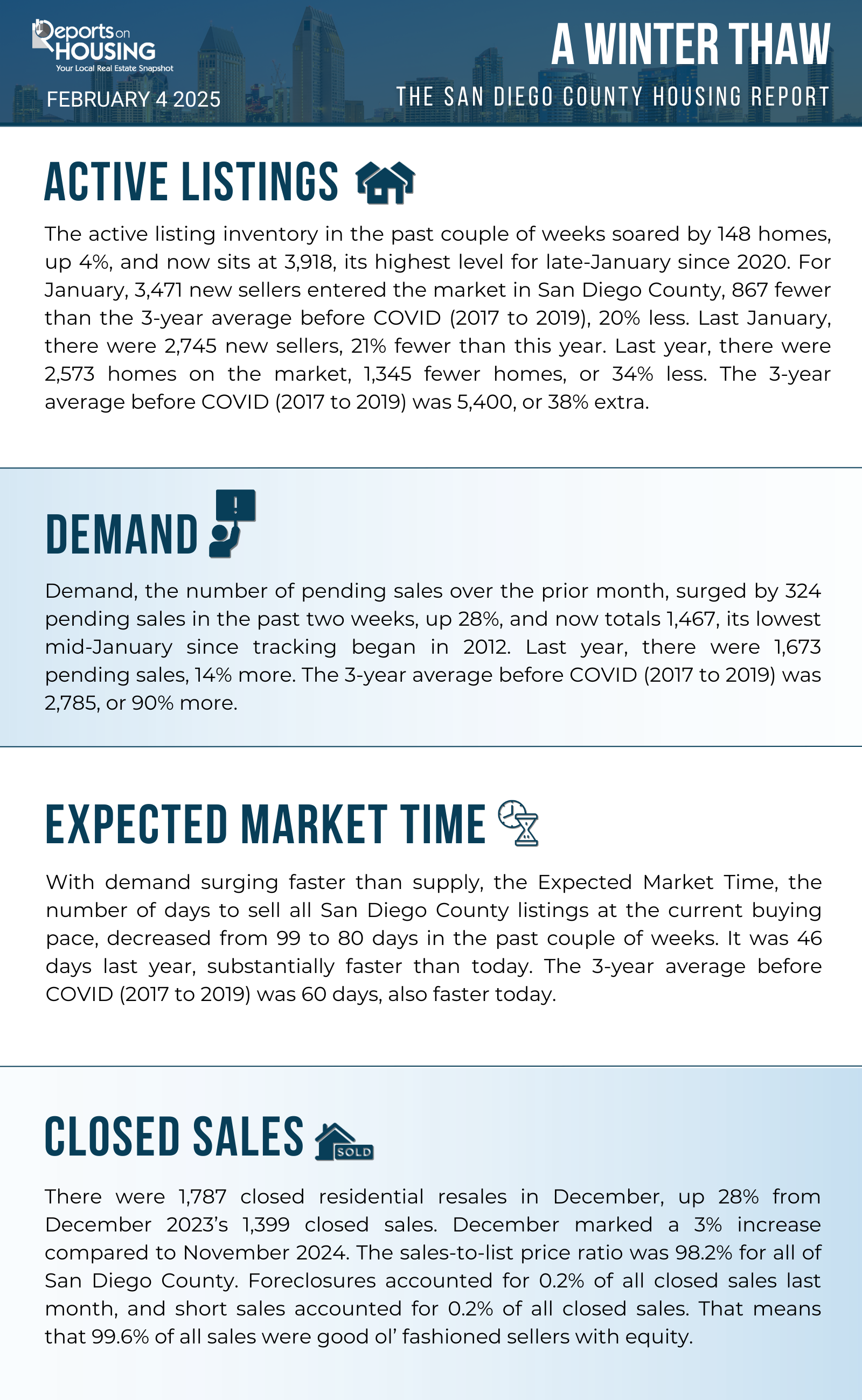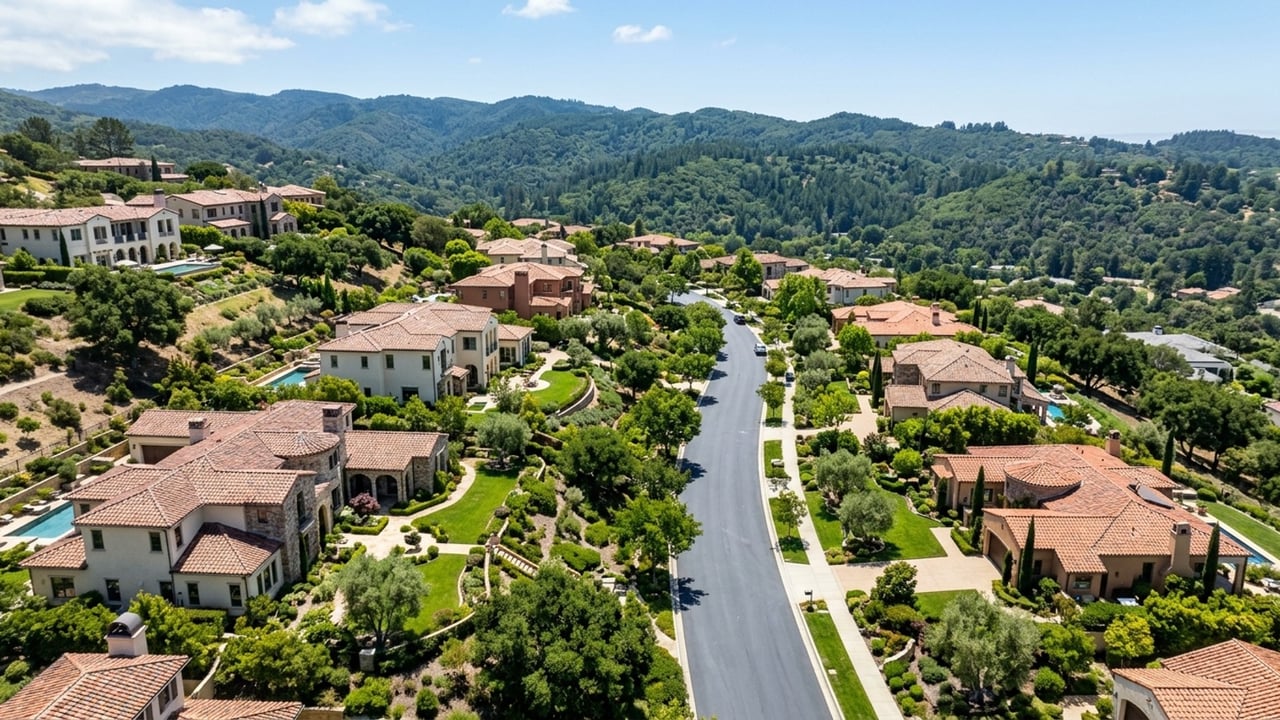
Carmel Valley, CA is not an easy market to break into. The median home sale price sits around $2,179,242 as of mid-2026, and homes are spending roughly 17 days on the market before going under contract. For first-time home buyers in Carmel Valley, CA, scraping together a standard 20% down payment on a number like that is a serious obstacle.
The good news is that there's real financial support available at both the state and county levels - grants, deferred loans, and favorable mortgage structures designed to cut down what you need to bring to closing. Knowing what's out there through California and San Diego County is the first step toward making a purchase here actually work.
What to Know About First-Time Homebuyer Programs in Carmel Valley, CA
Most assistance programs work the same basic way: they provide funds to cover your down payment or closing costs, and those funds get paired with a primary mortgage through an approved lender. In Carmel Valley specifically, buyers typically lean on statewide programs through the California Housing Finance Agency (CalHFA) or regional options through the San Diego Housing Commission (SDHC).
What you actually receive depends on which program you qualify for. Some provide grants you never pay back. Others offer deferred second mortgages that sit quietly behind your primary loan until you sell or refinance - at which point the balance comes due.
Who Qualifies as a First-Time Buyer
California's standard definition is straightforward: you haven't owned and occupied a primary residence in the past three years. Owned a home five years ago but been renting since? You likely qualify for most state and county programs.
There are exceptions to the three-year rule. Displaced homemakers or single parents who previously owned a home with a former spouse may qualify as first-time buyers under specific federal or state guidelines - so don't assume you're out before you ask.
Types of Assistance Available
Down payment assistance generally falls into three categories. Grants are straightforward - money you don't repay. Deferred-payment loans function as a second mortgage with no monthly payments; the balance is due when you sell, refinance, or pay off your primary mortgage. Some programs also offer shared appreciation loans, where the agency provides a large down payment upfront and collects the original loan amount plus a percentage of the home's increase in value when you eventually sell.
Knowing which structure fits your situation matters. A grant is obviously the cleanest option, but a shared appreciation loan can still unlock a deal that wouldn't otherwise be possible.
State-Level Grants and Down Payment Assistance
California's primary source for statewide homebuyer funds is the California Housing Finance Agency (CalHFA), which offers multiple loan and assistance structures. The Golden State Finance Authority (GSFA) is the other major player, and it's worth knowing that GSFA programs don't always require first-time buyer status - which opens the door for some buyers who might get screened out elsewhere.
One thing that trips people up: you can't apply directly to either agency. These state-level funds have to come through private mortgage lenders who are approved to originate CalHFA or GSFA loans. Your loan officer handles the paperwork and applies the assistance at closing.
Statewide Down Payment Options Through CalHFA and GSFA
CalHFA's Dream For All Shared Appreciation Loan is one of the most prominent options - it provides a substantial down payment contribution in exchange for a share of the home's future appreciation. CalHFA also offers the MyHome Assistance Program, which works as a standard deferred second mortgage.
The GSFA Platinum program takes a different approach. It offers assistance that can be used for either down payments or closing costs, and it's available through participating lenders with more flexibility for buyers who don't fit neatly into the CalHFA parameters.
Funding Amounts and Limits
The Dream For All program offers up to 20% of the purchase price for down payment and closing costs, capped at $150,000. In a market like Carmel Valley, that cap matters - it's the ceiling on what the program will provide regardless of how high the price goes.
CalHFA's MyHome Assistance Program offers a deferred second loan of up to 3.5% of the purchase price for FHA or government loans, and up to 3% for conventional loans. The GSFA Platinum program offers a non-repayable grant of up to 5% - and sometimes up to 5.5% - of the total loan amount.
Local Assistance Options in San Diego County
State programs are a strong starting point, but there's also a regional layer worth knowing. The San Diego Housing Commission (SDHC) administers local assistance designed for residents purchasing within the county, typically focused on moderate-income households.
Local programs can sometimes be layered with state funds, depending on the specific rules of each agency. A lender who knows both CalHFA and SDHC guidelines is the one you want in your corner when you're trying to figure out which combinations are actually allowed.
Carmel Valley and County Programs
Because Carmel Valley falls within the city of San Diego, buyers here fall under SDHC's jurisdiction. The commission periodically releases funds for deferred loans and closing cost grants aimed at making homeownership more accessible in the San Diego metro area.
Funding for local programs fluctuates based on municipal budgets and federal block grants - which means availability shifts. Check the SDHC portal early in your home search to see which programs have active funding, not after you're already under contract.
Understanding Forgivable Loans and Second Mortgages
Most local assistance takes the form of deferred second mortgages. These loans sit behind your primary mortgage, accrue little to no interest, and require zero monthly payments. You only pay them back when you transfer the property title.
Occasionally, county or state programs offer forgivable loans, where a portion of the debt is forgiven for every year you live in the home. Stay for the full term - often five to ten years - and the entire balance disappears.
Income Limits and Qualification Guidelines
Every program has eligibility rules, and underwriters will review your household income, credit history, and employment status to make sure you fall within the target parameters. One genuinely useful policy change for Carmel Valley buyers: CalHFA eliminated county sales price limits on eligible properties back in June 2020. That means a high purchase price alone won't disqualify you from CalHFA assistance.
Income limits are a different story - those are still very much in play.
San Diego County Income Caps
Based on the 2024 CalHFA income limits, the maximum allowable income for San Diego County under CalHFA's government, conventional, and subordinate mortgage programs is $236,000. That cap applies to the entire household's earnings, not just the primary borrower. Your lender will verify this using recent tax returns, W-2s, and pay stubs.
Minimum Credit Score Requirements
For CalHFA loans, the minimum credit score is 640 for FHA, VA, or USDA government loans. Conventional standard-rate loans through CalHFA require a minimum score of 680. There are a few variations in between: CalHFA allows a 660 score for manually underwritten FHA loans and for Fannie Mae's Low-Income conventional rate. The GSFA Platinum program also requires a minimum FICO score of 640. Borrowers with no credit score are ineligible for CalHFA programs entirely.
Steps to Apply for Homebuyer Assistance
You can't apply directly to the state or county - your first move is always to secure financing through an approved lender. The timeline does run a bit longer when assistance is involved, so start the pre-approval process well before you're ready to make offers on properties in Carmel Valley.
Finding an Approved Lender
CalHFA, GSFA, and SDHC each maintain lists of approved lenders who are trained to process their specific loan products. You'll need a loan officer certified to originate whichever programs you're pursuing. Not every bank or mortgage broker participates, so it's worth interviewing a few approved lenders to compare their rates, fees, and hands-on experience with complex assistance files.
Completing the Required Education Course
First-time buyers using CalHFA or local county programs must complete a homebuyer education counseling course before closing - no exceptions. The course covers budgeting, the mortgage process, and home maintenance. You can typically complete it online through an approved counseling agency, and you'll need to hand the certificate of completion to your lender before the loan can close.
Federal Loan Options for Local Buyers
On top of state and local assistance, buyers in Carmel Valley, CA frequently use federal mortgage programs to lower the barrier to entry. These loans are backed by government agencies and carry more flexible qualification standards than standard conventional mortgages, and they can often be paired with state down payment assistance - which lets you stack a low down payment requirement with a grant to cover the rest.
FHA, VA, and USDA Loans
FHA loans are popular with first-time buyers because they require just 3.5% down and have lenient credit requirements. VA loans are available to eligible veterans and active-duty military members, offering zero-down-payment financing and no private mortgage insurance - a meaningful advantage if you qualify.
USDA loans also offer zero-down-payment options, but they're geographically restricted to designated rural areas. Given Carmel Valley's suburban and urban development, homes here generally don't qualify for USDA financing.
National Assistance Programs
There are also national down payment assistance programs and grants available through various non-profits and federal initiatives, operating independently of California's state agencies. Availability varies widely and funding can deplete quickly. Ask your mortgage professional directly whether any national grants are currently active and applicable to your situation.
Frequently Asked Questions About Carmel Valley Homebuyer Programs
What are the income limits to qualify for first-time homebuyer programs in Carmel Valley, CA?
For CalHFA programs in San Diego County, the income limit is $236,000. That cap applies to all CalHFA first mortgage and subordinate mortgage programs. Other programs, like those from the San Diego Housing Commission, may have different income thresholds based on household size.
Are there purchase price limits for homebuyer assistance programs given Carmel Valley's high housing costs?
No. CalHFA removed county sales price limits on eligible properties in June 2020, meaning buyers can use CalHFA assistance on higher-priced homes in Carmel Valley as long as they meet the income and loan qualification requirements.
Are there special home loan programs in Carmel Valley for teachers, first responders, or healthcare workers?
Certain programs - specific branches of the GSFA or specialized local grants - sometimes offer tailored assistance for public servants. Ask your approved lender whether any current occupational grants are active in San Diego County when you apply.
Can I combine California state down payment assistance with an FHA loan for a Carmel Valley property?
Yes. CalHFA's MyHome Assistance Program can be paired with an FHA loan, giving you a deferred second loan of up to 3.5% of the purchase price to help cover your down payment or closing costs.
Does using a state or county homebuyer program delay the escrow timeline when buying a home in Carmel Valley?
It can add a few days, because a second agency has to review and approve the file. Working with an experienced, approved lender is the best way to keep the paperwork moving alongside your primary mortgage approval.
What happens to my down payment assistance loan if I decide to rent out or sell my Carmel Valley house?
Most down payment assistance loans - including CalHFA's deferred mortgages - must be repaid if you sell, refinance, or convert the property into a rental. The home has to remain your primary residence to keep the deferred status active.