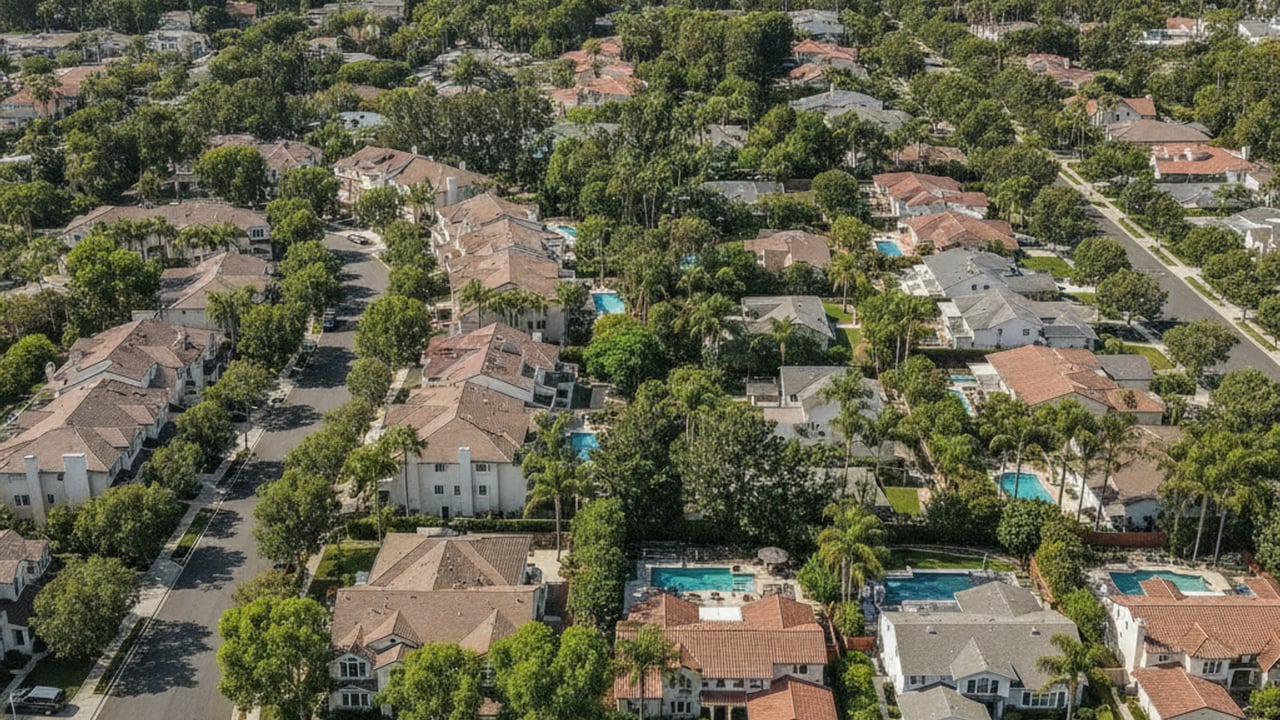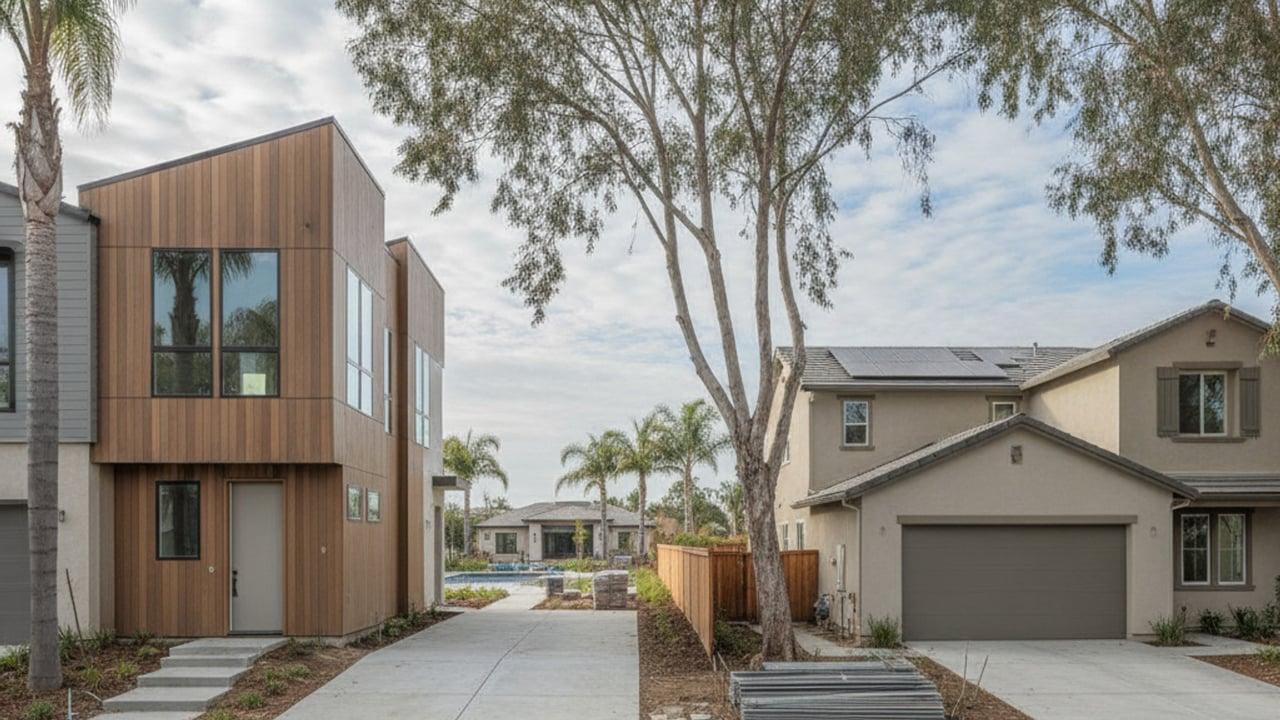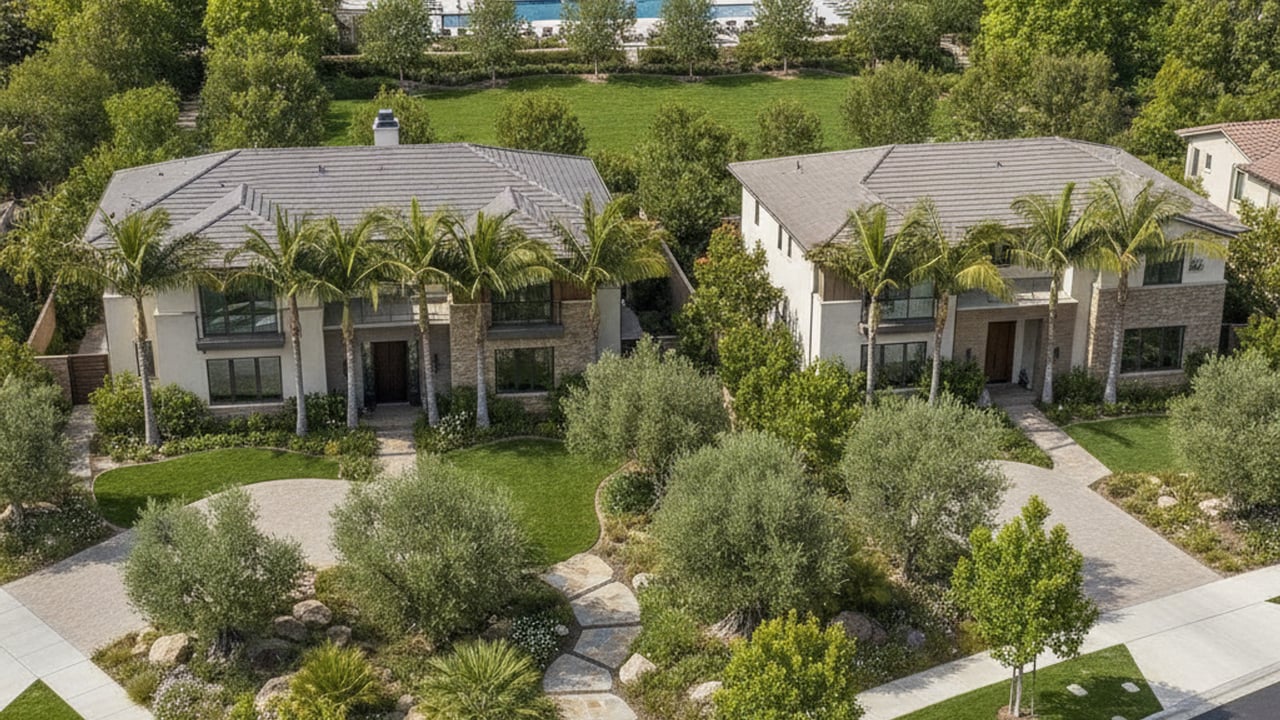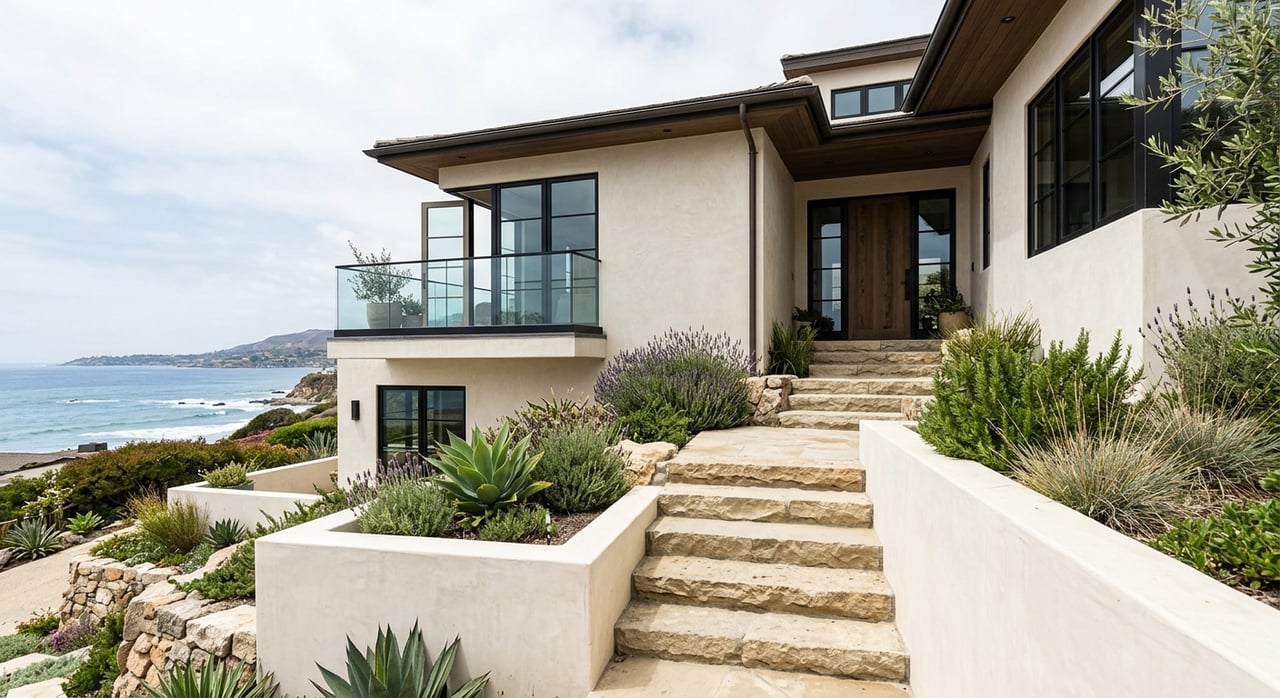
Wondering why two homes in Del Mar with similar square footage can land at very different price points? In this market, a few blocks can change the whole value story. If you are buying or selling in Del Mar, understanding how micro-neighborhoods affect pricing can help you make smarter decisions, set better expectations, and spot value that broad market averages miss. Let’s dive in.
Why micro-neighborhoods matter in Del Mar
Del Mar is not one uniform housing market. The city’s planning documents break it into distinct residential neighborhoods, and that framework helps explain why home values can shift so much from one street to the next.
The city identifies six residential neighborhoods: North Beach, North Bluff, North Hills, South Beach, South Bluff, and South Hills. Del Mar Village, also called the Village Center District, functions as its own downtown zone with a different mix of walkability, access, and nearby uses.
That matters because buyers are often not just paying for a home. They are paying for a specific combination of views, privacy, terrain, beach access, convenience, and future resale appeal.
Del Mar values are highly location-driven
Del Mar’s own design guidelines state that scenic views are a major reason people choose the city and that those views contribute significantly to property value. In practical terms, that means location details like bluff position, hillside orientation, and how protected a view feels can matter as much as the home itself.
The broader market already starts from a high baseline. Over the three months ending May 2026, Redfin reported a Del Mar median sale price of $4.3 million, with homes taking about 26 days to sell and receiving about two offers on average.
Even so, that median does not tell the full story. Recent sale examples cited in nearby Del Mar comp sets ranged from the high $3 million range to more than $11 million, showing just how much frontage, block position, and neighborhood context can influence value.
North Beach value drivers
North Beach, also known as Beach Colony, is one of Del Mar’s clearest examples of a true micro-market. The area is known for close ocean proximity, flat topography, a grid street pattern, relatively high density, small lots, and minimal setbacks.
For many buyers, that creates strong appeal. Walk-to-beach convenience, easy access, and a classic coastal setting can support very strong demand.
At the same time, buyers also weigh tradeoffs. Smaller lots, tighter spacing, limited landscaping, and less privacy can affect how one property compares with another, even within the same few blocks.
What tends to support North Beach pricing
- Direct or very close beach access
- Flat lots with easy day-to-day usability
- Strong walkability
- Scarcity near the shoreline
What can limit North Beach value
- Smaller yards and limited expansion potential
- Reduced privacy due to lot spacing
- Parking friction in some areas
- Potential flood-designation and insurance implications for beachfront homes
The city’s coastal planning also notes that North Beach includes areas potentially vulnerable to sea-level-rise impacts, and new FEMA flood maps could change flood designations for some beachfront properties. For resale, that makes property-specific review especially important.
South Beach value drivers
South Beach shares the advantage of coastal proximity, but it often feels different from North Beach. According to the city, South Beach sits a bit higher, with flat or gently sloping lots, more landscaping, more alleys, some terraced lots, and a less dense overall feel.
That can create a more spacious impression, even when homes are still very close to the ocean. In value terms, buyers may respond positively to a balance of beach access and a bit more breathing room.
Because of that mix, South Beach pricing can be shaped by how well a property combines convenience with privacy, usable outdoor space, and ease of access. Two homes with similar square footage may perform differently depending on that balance.
North Bluff value drivers
North Bluff is one of the scarcest residential areas in Del Mar. The city says it contains only three residentially designated parcels, including two existing bluff-top estate lots and one undeveloped parcel.
Scarcity alone can create a premium, but it is not the only factor. Bluff-top position, view potential, and a more secluded feel can all support strong buyer interest.
Still, this is also an area where risk and uncertainty matter. Bluff-related concerns and future land-use questions can influence how buyers think about long-term value.
A supply factor to watch
In May 2026, the city council directed staff to proceed with work toward a new RM-North zone on 6.2 acres at Border Avenue and Camino Del Mar. The possible change would move the area from 1 dwelling unit per acre toward a possible 20 dwelling units per acre, though the rezone has not been adopted.
For buyers and sellers near North Bluff, that does not automatically define value today. It does mean future adjacency and density are worth watching because they can shape resale expectations.
North Hills value drivers
North Hills includes a significant share of Del Mar’s single-family homes, but it is far from uniform. The city describes winding streets, varied hillside topography, sloped lots, canyons, mature trees, and irregular street edges.
In this part of Del Mar, value often comes down to how usable the lot is and how the home sits on it. View corridors, grading, access, and the practical function of the site can create major price differences between homes that may look similar on paper.
A larger lot does not always win if much of it is steep or difficult to use. Buyers often pay more attention to usable outdoor areas, privacy, and view orientation than to raw lot size alone.
South Bluff and South Hills value drivers
South Bluff and South Hills are also shaped by topography, but in their own way. The city notes steep terrain, canyon-adjacent and bluff-top settings, irregular street patterns, and informal landscaping, with lot sizes ranging from moderate to large.
In these neighborhoods, the best value stories often come from homes that make the land easy to enjoy. A well-positioned home with privacy, a usable pad, and strong view orientation may command more attention than a larger but less functional site.
This is a good reminder that in Del Mar, lot utility matters. Buyers tend to evaluate how a property lives day to day, not just how it measures on paper.
Village-adjacent value drivers
Del Mar Village, or the Village Center District, adds another layer to the market. The area covers about 40 acres and 68 properties, generally along Camino del Mar between 9th Avenue and north of 15th Street, and is planned as a pedestrian-oriented core integrated with the surrounding residential fabric.
For many buyers, living near the Village means convenience and walkability. Access to local-serving retail, open space, and a low-scale downtown environment can be a meaningful part of the value equation.
But Village-adjacent pricing is not one-note. Parking, traffic, commercial adjacency, and changing grades on side streets can all affect how a specific block feels. Camino del Mar runs relatively flat through the Village, while nearby streets can rise and fall sharply within a short distance.
What buyers really pay for in Del Mar
Across all of these micro-neighborhoods, the same pattern shows up again and again. Buyers are usually paying premiums for a combination of lifestyle ease and long-term scarcity.
The strongest premiums often come from:
- Ocean access
- Protected or high-impact views
- Walkability and convenience
- Privacy
- Usable lots and outdoor space
- Lower-friction daily living
On the other side, common value discounts often relate to:
- Steep or less usable lots
- Flood or bluff-related risk
- Limited parking
- Reduced privacy
- Uncertain future adjacency
- Limited expansion potential
This is why square footage alone does not explain Del Mar pricing. A beach-block home, a bluff-top property, a hillside home with a view corridor, and a Village-adjacent residence may all compete in very different ways.
What this means if you are buying
If you are buying in Del Mar, it helps to look beyond the headline features. A home may appear similar to another in size and finish, but its block position, terrain, access, and view protection may put it in a different value category.
This is where local context matters most. You want to compare properties based on the micro-neighborhood traits that actually drive demand, not just citywide averages.
What this means if you are selling
If you are selling, pricing and presentation should reflect the specifics of your micro-location. A home near the beach, on a bluff, in the hills, or near the Village may need a different strategy depending on what buyers are most likely to value there.
That can mean highlighting usability, privacy, walkability, view orientation, or scarcity in a very intentional way. In a market like Del Mar, the details of how your home lives can be just as important as the specs on the listing sheet.
Del Mar rewards nuance. When you understand how your exact location fits into the city’s smaller value pockets, you are in a much better position to buy wisely, price accurately, and plan for resale with confidence.
If you want help understanding how your street, lot, or block position fits into the Del Mar market, Amy Green offers the kind of local insight, clear communication, and hands-on guidance that can make all the difference.
FAQs
How do Del Mar micro-neighborhoods affect home values?
- Del Mar micro-neighborhoods affect home values by changing the mix of views, walkability, privacy, lot usability, beach access, and future resale appeal from one block to another.
Which Del Mar areas are considered official residential neighborhoods?
- The city identifies North Beach, North Bluff, North Hills, South Beach, South Bluff, and South Hills as residential neighborhoods, with Del Mar Village functioning as a separate downtown district.
Why do ocean views matter so much for Del Mar home prices?
- Del Mar’s design guidelines say scenic views are a major reason people choose the city and that those views contribute significantly to property value.
What makes North Beach homes in Del Mar different from South Beach homes?
- North Beach is generally flatter, denser, and closer-knit with smaller lots, while South Beach is a bit higher, less dense, and often has more landscaping and a more spacious feel.
Does lot size matter as much as location in Del Mar?
- Not always, because buyers often place more value on usable pads, privacy, view orientation, and easy access than on raw lot size alone.
What should Del Mar buyers watch beyond square footage?
- Buyers should pay attention to view corridors, topography, parking, privacy, walkability, hazard exposure, and how usable the lot is in daily life.
What should Del Mar sellers emphasize when pricing a home?
- Sellers should focus on the micro-location strengths that buyers value most in that area, such as beach access, views, privacy, walkability, or lot usability.