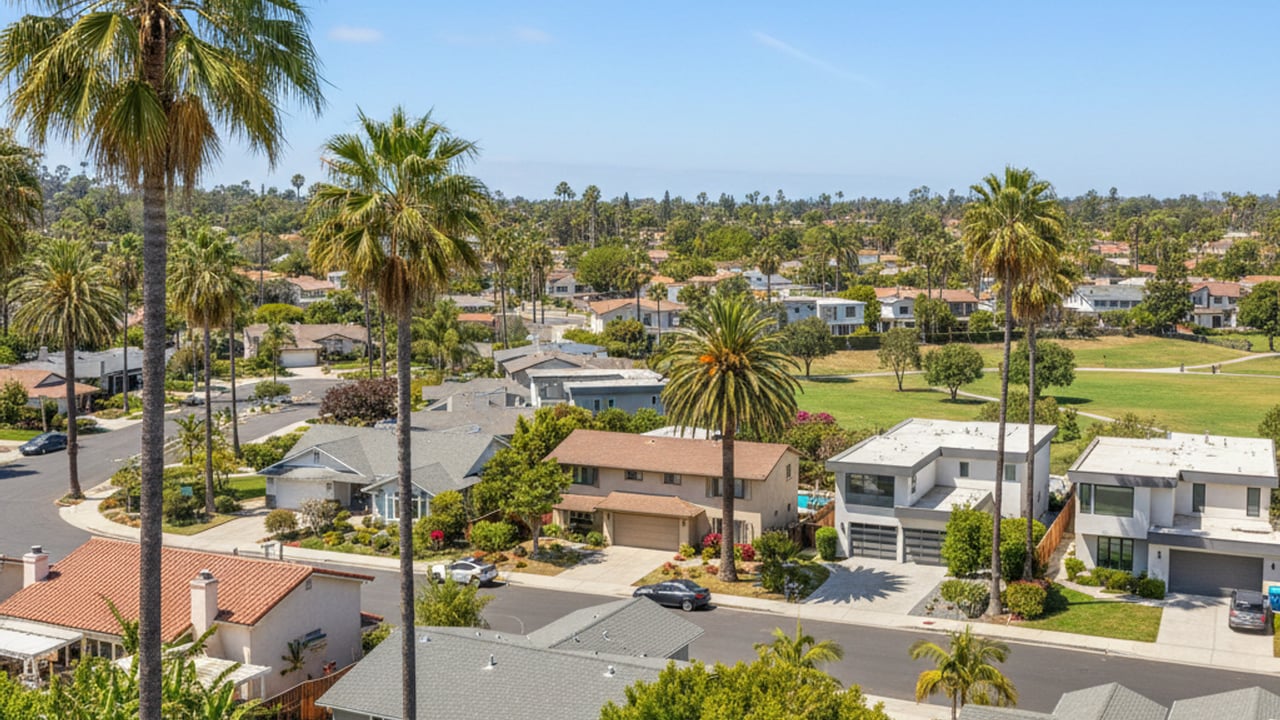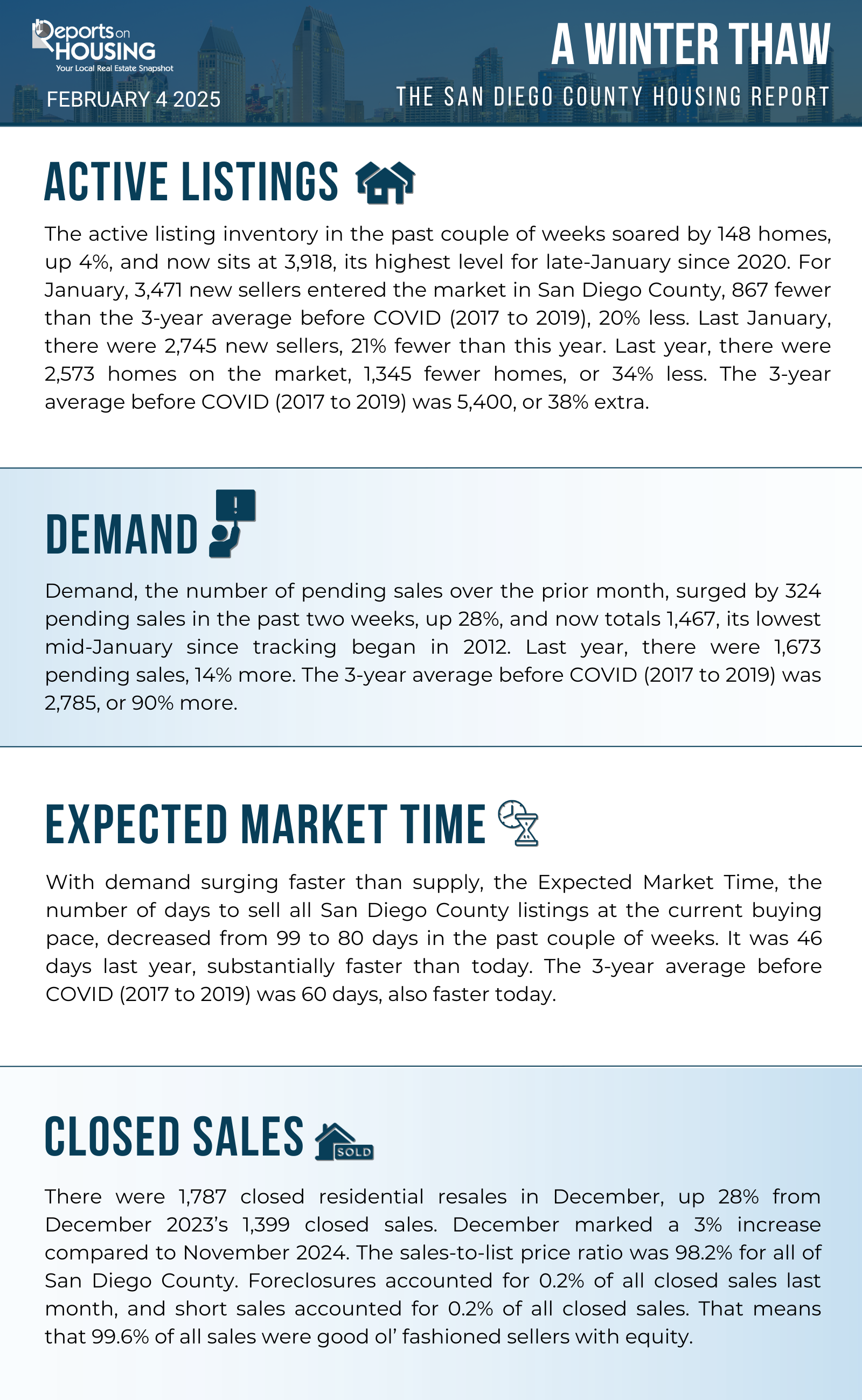
Wondering whether North County coastal or urban San Diego is the better fit for your next move? It is a common question, especially when you are trying to balance budget, housing style, commute, and the kind of daily routine you want. The good news is that both offer strong lifestyle advantages, but they serve different priorities. This guide will help you compare the two in a clear, practical way so you can focus your search with more confidence. Let’s dive in.
How the two areas feel different
North County coastal usually refers to places like Del Mar, Encinitas, Solana Beach, and Carlsbad. In this comparison, these areas tend to offer a more detached-home-oriented housing mix, a built-out coastal setting, and a market where supply is often constrained. That combination can create a very different buying experience from the urban core.
Urban San Diego, by contrast, covers a wider mix of housing and price points. Citywide, San Diego has a 47.3% owner-occupied rate, with a median owner-occupied value of $906,700 and a median gross rent of $2,313. Those figures suggest a more renter-heavy, condo- and apartment-oriented market than what you typically see in North County coastal communities.
Housing stock in North County coastal
If you are drawn to homes with more of a single-family orientation, North County coastal may feel like a better match. Del Mar’s housing analysis notes that most homes are owner-occupied single-family properties, while about 30% of the housing stock is in apartment and multi-unit condominium complexes. It also notes that about 85% of the housing was built more than 30 years ago, which reflects how established and built out the area is.
Encinitas offers a mix that includes historic single-family bungalows in Cardiff-by-the-Sea and Old Encinitas, along with some multifamily housing. Carlsbad also leans toward lower-density living, with about 55% single-family detached housing, 18% single-family attached, and roughly 29% to 30% multifamily. Taken together, these cities generally offer more detached-home options than the urban core.
Housing variety in urban San Diego
If you want more variety in property types, urban San Diego often gives you more to work with. The city’s housing mix includes condos, apartments, and other attached options in many central neighborhoods. That can matter if your goal is a lower entry point, less maintenance, or a location closer to the city core.
This does not mean every central neighborhood is dense or looks the same. It does mean that compared with coastal North County, urban San Diego generally offers a broader mix of housing forms and a market that is more renter-heavy overall. For many buyers, that translates into more flexibility.
Price differences at a glance
Price is often where the contrast becomes most obvious. According to the North San Diego County REALTORS' March 2026 report, several North County coastal ZIP codes were at the top of the local market:
- Del Mar 92014: $3.175M
- Solana Beach 92075: $2.785M
- Encinitas 92024: $2.0125M
- Carlsbad 92008: $1.815M
- Carlsbad 92009: $1.531M
- Carlsbad 92010: $1.5525M
- Carlsbad 92011: $1.5922M
Several central-city neighborhoods came in much lower in the same report:
- Downtown 92101: $797,000
- Mission Hills-Hillcrest-Midtown 92103: $875,000
- North Park 92104: $887,500
- Golden Hill 92102: $697,500
- Mission Valley 92108: $690,000
- Old Town 92110: $707,500
- Logan Heights 92113: $664,000
Is North County always more expensive?
Usually, coastal North County is more expensive than the urban core in this comparison. If you are comparing Del Mar, Solana Beach, Encinitas, or much of Carlsbad with central San Diego neighborhoods, that pattern shows up clearly in the latest median prices.
But it is important not to oversimplify the market. Some coastal neighborhoods within the city of San Diego are priced at North County levels or higher. In the same March 2026 report, Point Loma was $1.6702M, Pacific Beach was $1.5505M, La Jolla was $2.55M, and Coronado was $2.1892M.
That means the real comparison is not simply coast versus city. It is more accurate to think of it as North County coastal versus the urban core, with a few hybrid coastal-city neighborhoods sitting in a premium tier of their own.
Commute matters more than labels
One of the biggest mistakes buyers make is assuming one side is always better for commuting. In reality, your daily destination matters more than whether a home is in North County or urban San Diego. A home that looks perfect on paper can feel very different once you map out your routine.
SANDAG’s 2024 State of the Commute says the average morning commute in the region took nearly 24 minutes, while the evening commute was nearly 27 minutes. Census figures show a mean travel time to work of 23.5 minutes in San Diego city, 27.1 in Carlsbad, 23.8 in Encinitas, and 21.0 in Solana Beach. Those numbers reinforce how location-specific commute outcomes can be.
When North County coastal may fit better
North County coastal can make strong sense if you work in North County, UTC, Sorrento Valley, or another coastal job center. It can also be a better fit if your top priorities include beach-adjacent living, more detached-home choices, and an established coastal setting with limited supply.
There is also a practical supply factor to consider. Del Mar’s planning documents note that workers in California’s coastal communities often commute 10% farther each day because limited housing exists near major job centers. That does not mean North County is the wrong choice. It means you should weigh housing preference and commute together.
When urban San Diego may fit better
Urban San Diego may be the more practical option if you work downtown or in central neighborhoods and want to reduce daily drive time. It may also be a better match if you are looking for a lower price point in many areas, or if you prefer condos and attached housing over detached homes.
For buyers relocating to San Diego, this can be especially helpful. A central location may offer easier access to work, entertainment, and services, while keeping more neighborhood options in play within a given budget. That flexibility is often one of urban San Diego’s biggest strengths.
Can transit replace a car?
Transit can help, but for most people in San Diego it does not fully replace a car. The region still follows a car-first commute pattern, even though there are meaningful rail options depending on where you live and work.
North County Transit District says the COASTER serves eight stations between Oceanside and downtown San Diego. MTS says the Trolley connects downtown with East County, UC San Diego, South Bay, and the Mexico border, with major stops that include Old Town, Little Italy, Santa Fe Depot, Gaslamp Quarter, and Mission Valley.
That gives North County coastal residents a real rail option into downtown. At the same time, central-city neighborhoods generally have the densest concentration of transit-connected areas and shorter trips to many jobs and entertainment districts. In other words, transit can absolutely support your routine, but your destination still matters most.
A simple way to choose
If you are deciding between the two, it helps to focus on a few practical questions:
- Do you want a more detached-home-oriented market, or more condo and apartment choices?
- Is your budget more aligned with central-city pricing, or with coastal North County pricing?
- Where will you commute most often?
- How important is beach proximity compared with city-core access?
- Do you want a built-out coastal environment, or a neighborhood with more housing variety?
When you answer those questions honestly, the right direction usually starts to become clearer. You do not need to begin with a perfect answer. You just need a framework that helps you compare tradeoffs in a realistic way.
Hybrid options to keep in mind
Some buyers want a middle ground between North County coastal and the urban core. In San Diego, neighborhoods like La Jolla, Point Loma, Pacific Beach, and Coronado can offer a mix of coastal access and urban convenience.
The tradeoff is price. Based on the March 2026 medians, these are not automatically budget-friendly alternatives. They can deliver a blend of location benefits, but they often sit in a premium range that rivals or exceeds parts of coastal North County.
What this means for your home search
The best choice usually comes down to what you value most in everyday life. North County coastal often appeals to buyers who want a beach-adjacent setting, more single-family housing, and an established coastal market. Urban San Diego often works better for buyers who want lower entry prices in many neighborhoods, more attached housing choices, and closer access to the city core.
If you are relocating, moving up, downsizing, or buying your first place, this is where local guidance can save you time. A well-matched home search is not just about price. It is about finding the right balance of commute, housing type, and lifestyle for the way you actually live.
If you want help narrowing down the right fit between coastal North County and urban San Diego, Amy Green offers calm, informed guidance backed by deep local market knowledge and hands-on support.
FAQs
Is North County coastal more expensive than urban San Diego?
- In many cases, yes. The March 2026 local market data show higher median prices in Del Mar, Solana Beach, Encinitas, and Carlsbad than in several central San Diego neighborhoods.
Do urban San Diego neighborhoods always cost less than coastal areas?
- No. Some coastal neighborhoods within the city, including La Jolla, Coronado, Point Loma, and Pacific Beach, had median prices at or above many North County coastal areas in the same March 2026 report.
Does North County coastal have more single-family homes?
- Generally, yes. Del Mar, Encinitas, and Carlsbad all show housing patterns that lean more toward single-family homes than the broader city of San Diego.
Does urban San Diego offer more housing variety?
- Yes. San Diego citywide data support a more renter-heavy and condo- or apartment-oriented mix than North County coastal communities.
Can you rely on transit instead of driving in San Diego?
- Transit can help, especially along the COASTER and Trolley lines, but the region still operates largely around car-based travel and commute times depend heavily on your destination.
Which area is better for commuting to downtown San Diego?
- It depends on your exact starting point, but central San Diego neighborhoods often offer shorter and simpler trips to downtown than North County coastal locations.