The median home price in Encinitas, CA sits around $2,180,000 right now. If you're narrowing a coastal search for the best neighborhoods in Encinitas, CA, you've probably already noticed that most buyers end up focused on two distinct sections of the city: Old Encinitas and Leucadia.
Comparing the two means looking at housing styles, proximity to commercial centers, and how your commute actually plays out day to day. Both have Pacific coastline access - what they don't have is identical real estate markets, and that difference matters when you're buying in 2026.
Real Estate Market Dynamics in Old Encinitas and Leucadia
Homes across Encinitas average roughly 31 days on the market, and with only about 120 active listings citywide, you're not shopping in a relaxed environment. Limited supply in both Old Encinitas and Leucadia means properties routinely draw multiple offers within days of hitting the market.
Sellers are doing well. The average sale-to-list price ratio is hovering at 98.8%, and 51 homes sold across the city in a single recent month - steady demand for a coastal market with constrained inventory.
Pricing and Sales Trends
More than 27% of recent sales closed above asking price, so if you're writing offers, you need to be ready for that reality. The citywide median of $2,180,000 gives you a baseline, but actual prices shift based on lot size and how close you are to the water.
Supply sits at just 2.4 months, which keeps conditions firmly in seller territory. Whether you're targeting Old Encinitas or Leucadia, get your financing locked early and set up alerts - good properties don't wait.
Property Types and Architecture
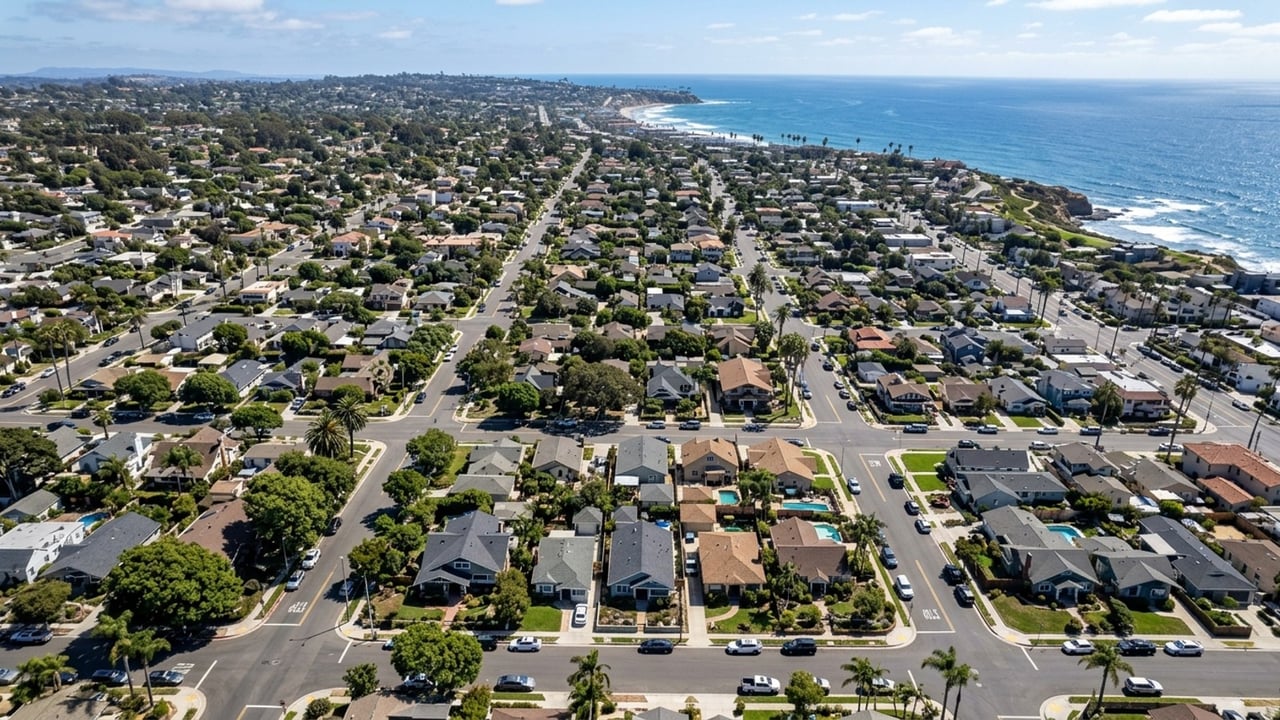
The housing stock in both areas runs from established single-family residences to newer coastal builds, but the physical settings are quite different. Old Encinitas has a grid layout with traditional residential lots close to the main commercial center.
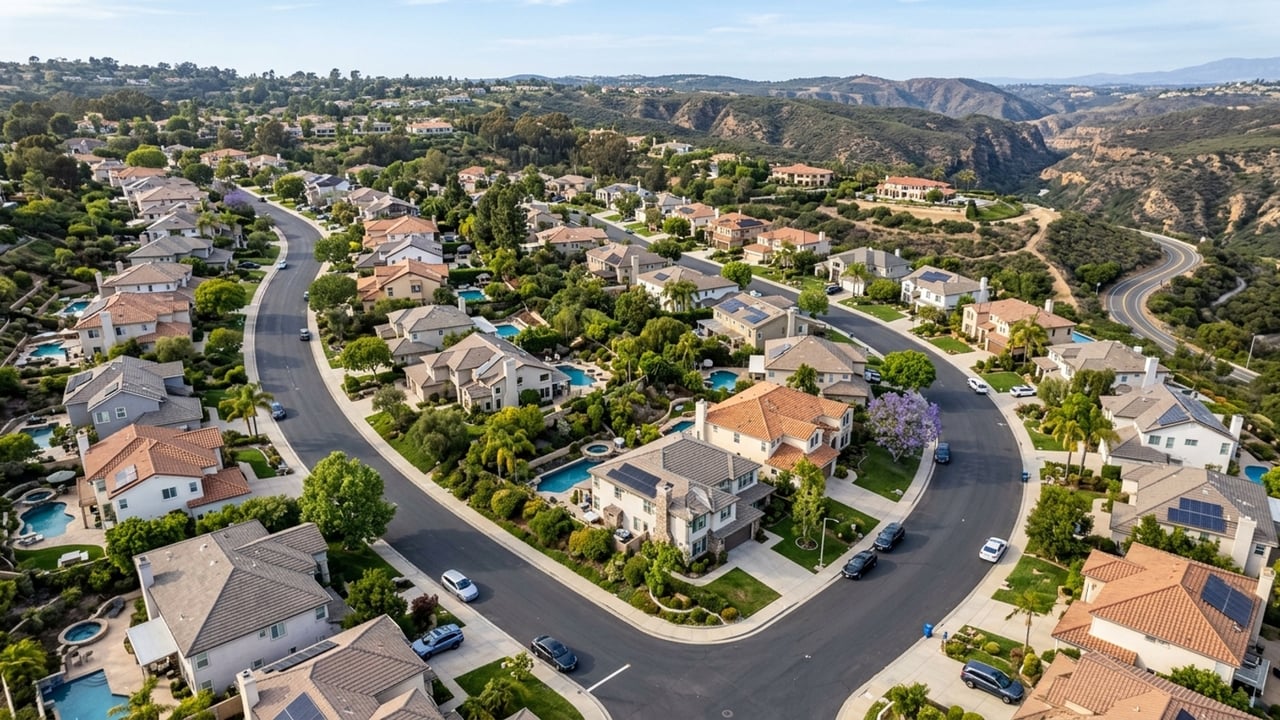
Leucadia reads differently - properties there often sit along coastal bluffs or settle into wooded terrain, and lot sizes and architectural styles vary more noticeably depending on exactly where you're looking. It's a less uniform inventory, which can work for or against you depending on what you want.
Local Amenities and Daily Life
How you'll actually use these neighborhoods day to day comes down to one basic preference: do you want walkable access to a concentrated commercial area, or are you comfortable with a more spread-out layout? That single distinction drives a lot of the Old Encinitas versus Leucadia conversation.
Encinitas maintains strict zoning to protect its coastal environment, and that shapes what commercial development looks like in both sections.
Parks and Outdoor Recreation
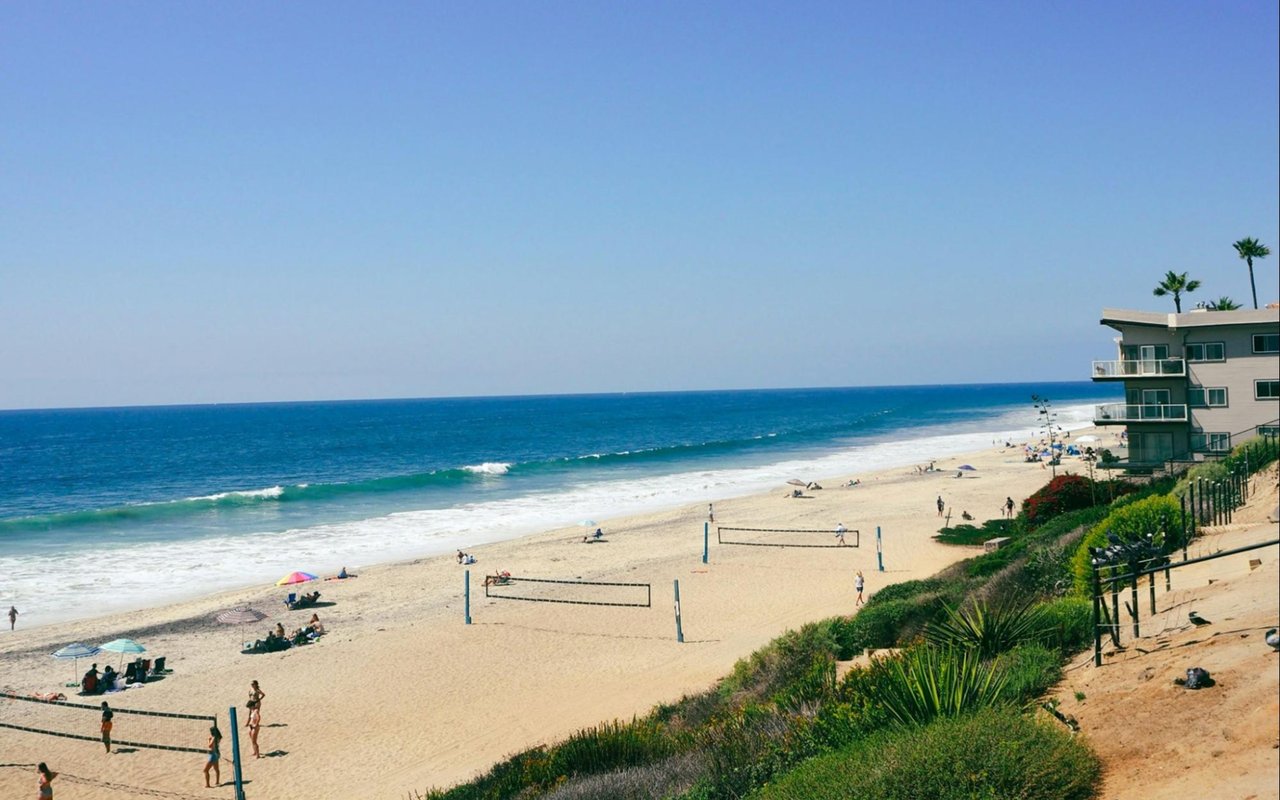
Beach access is the backbone of outdoor life here. Public access points to the Pacific shoreline are distributed along the coastline through both Old Encinitas and Leucadia, with residents using them for surfing, swimming, and general beach time.
Inland green spaces exist as well, though their proximity to any given property varies. Pull up the city zoning maps and cross-reference the specific parks closest to addresses you're seriously considering.
Dining and Shopping Districts
This is where the two areas diverge most obviously. Old Encinitas has a concentrated downtown district - high density of retail storefronts and restaurants within a compact area, easy to cover on foot in a single walk.
Leucadia runs a more linear commercial corridor parallel to the coastline. Businesses are spread out rather than clustered, which creates a genuinely different retail experience. Neither is better outright - it depends on how you like to live.
Commute Times and Transportation Logistics
Getting from Encinitas to major employment centers means either the main coastal highway system or public transit, and both Old Encinitas and Leucadia connect to those primary routes. That said, how far you are from a highway on-ramp varies by specific location, and that gap shows up in your daily drive time.
Before you commit to a property, do the actual commute during rush hour. There's no substitute for it.
Public transit runs along the coastal corridor, and local rail and bus service are options - but how useful they are depends on where exactly your home sits within Old Encinitas or Leucadia. Check the specific stop proximity, not just the general availability.
Frequently Asked Questions
Is it more expensive to buy a house in Old Encinitas or Leucadia?
It depends on the specific property and how close it is to the ocean. The overall median home price for Encinitas, CA is around $2,180,000. In both Old Encinitas and Leucadia, prices move based on lot size, ocean views, and what updates have been done to the home.
What is the main difference in neighborhood vibe between Old Encinitas and Leucadia?
Old Encinitas has a structured grid layout organized around a concentrated downtown commercial district. Leucadia is more dispersed - a linear layout along the coast with businesses spread out along the main corridor rather than clustered together.
Which Encinitas neighborhood has better walkability to downtown shops and restaurants?
Old Encinitas. Its grid street pattern and concentrated retail district put multiple shops and restaurants within walking distance in a way Leucadia's layout doesn't replicate.
How do the home styles and lot sizes compare between Leucadia and Old Encinitas?
Old Encinitas tends to have traditional residential lots in a standard grid pattern. Leucadia's terrain is more varied - homes there often sit on uneven, wooded lots or coastal bluffs, so you'll see more variation in both the land and the architecture.
Do Old Encinitas and Leucadia have the same coastal zoning and short-term rental restrictions?
Yes - both areas fall under Encinitas, CA's broader coastal zoning regulations. For short-term rental specifics, verify directly with the city planning department, since restrictions apply across the municipality and details can matter.
Which area offers easier daily beach access for residents, Old Encinitas or Leucadia?
Both have direct access points to the Pacific Ocean shoreline. What actually determines ease of access is how close a specific home is to the public beach stairways or ramps in whichever neighborhood you're looking at - it's a property-by-property question, not a neighborhood-wide answer.