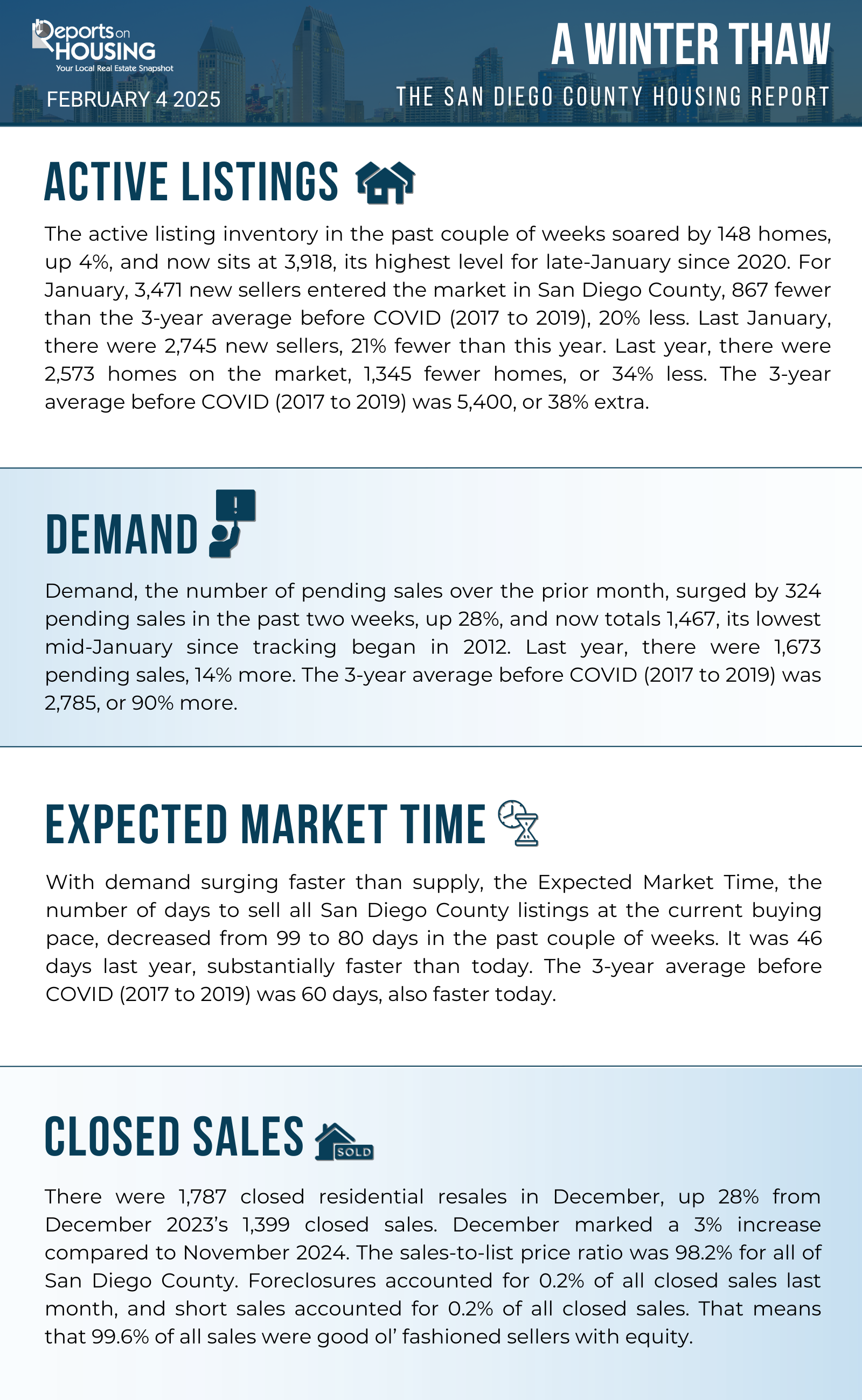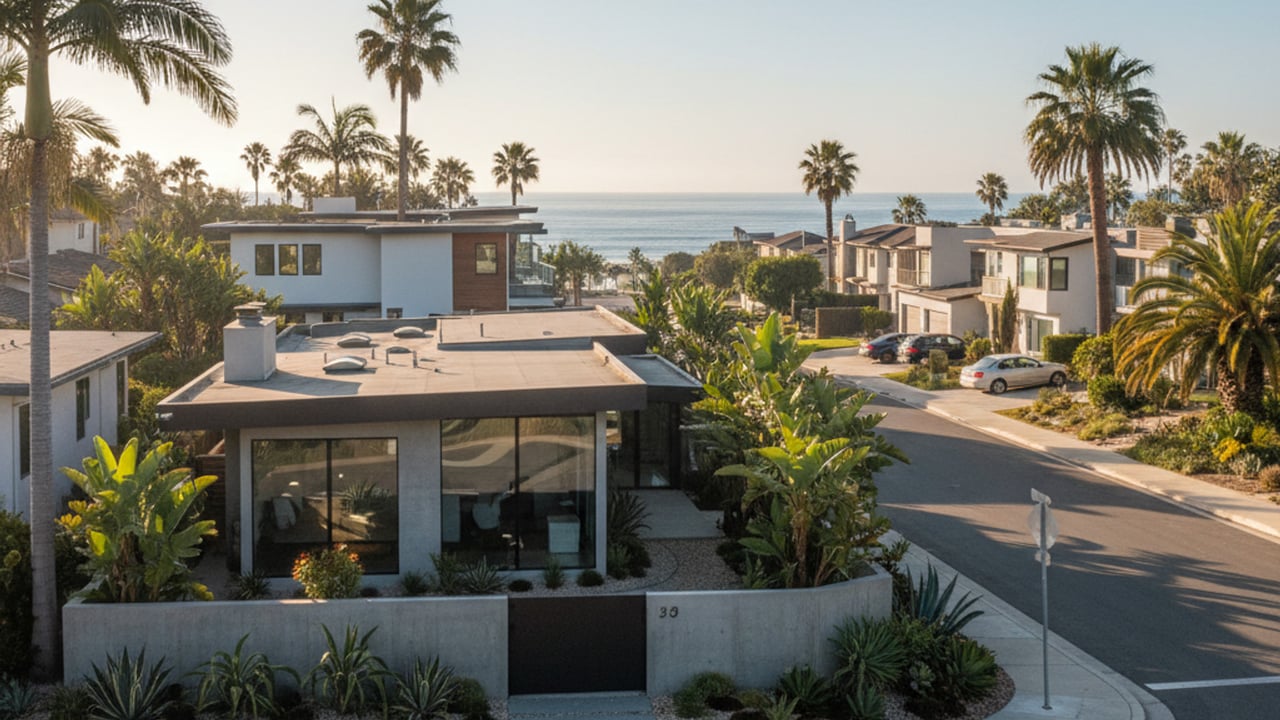
Let's start by looking at what the housing market actually looks like right now. If you are preparing to sell your home this year, having a clear picture of local conditions is the first step to setting the right price. You cannot price a home effectively without understanding the current mood of the buyers walking through your front door.
We are seeing a noticeable shift in 2026 compared to the wild post-pandemic frenzy. The market has transitioned into a more normalized, though still competitive, environment that leans slightly toward sellers. Buyers have a bit more breathing room today, which means they are paying much closer attention to price tags and the physical condition of the property.
Right now, median home prices in the area are hovering roughly between $1.8M and $2.1M, depending heavily on the specific property type and location. Homes are typically spending anywhere from 35 to 79 days on the market before going under contract. This average days on market metric is crucial to watch because it directly dictates your leverage at the negotiation table.
We are also seeing a list-to-sale ratio sitting around 97% to 98.5%. This means sellers are still getting very close to their asking price, provided they price the home correctly from day one. If you want to dive deeper into broader regional trends before listing, reviewing a San Diego real estate market forecast can give you a great macro perspective on selling a home in North County.
How to Price a Home for Sale in Encinitas CA Using Comps
Once you understand the broader market, the next step is looking at specific numbers for homes just like yours. This is where a proper comparative market analysis comes into play. Buyers today are highly educated, meaning your asking price needs to make logical sense when compared to the rest of the neighborhood.
You might be tempted to look at an automated online valuation, but those algorithms rarely account for the unique nuances of our local streets. A true comparative market analysis looks at homes with similar square footage, age, lot size, and proximity to your specific address. It is about comparing apples to apples in your immediate neighborhood, right down to the specific street noise and lot utility.
It is also vital to look at recently sold data from the last three to six months rather than active listing prices. Active listings only show what your neighbors are hoping to get, while sold data proves what buyers are actually willing to hand over. You also have to factor in current 2026 interest rates, as these directly impact buyer purchasing power and how much house they can afford on a monthly basis.
Because local data can be tricky to navigate, choosing a local Encinitas Realtor is one of the best moves you can make. An experienced agent knows how to read a comparative market analysis properly. They can help you interpret the subtle differences between your home and the one that just sold down the street, ensuring your property value is calculated accurately.
Top Encinitas California Housing Market Pricing Strategies
Now that we have the data in hand, it is time to decide exactly how to position your home on the open market. There is no single, one-size-fits-all approach to setting a price. The strategy you choose will set the tone for the entire transaction.
The best route depends entirely on your personal goals as a seller. If your priority is a lightning-fast sale to facilitate a move out of state, your approach will look very different than if you are willing to wait months to squeeze out every last dollar of maximum profit.
Let's explore the three core methodologies sellers use to price their homes in San Diego County.
1. Pricing at Exact Market Value
Listing your home exactly at its appraised or data-determined value is often the most straightforward approach. Pricing accurately from day one signals to the market that you are realistic, transparent, and ready to make a deal. This immediately attracts serious, qualified buyers who have been waiting for fairly priced inventory to hit the market.
This strategy is fantastic for helping you avoid the dreaded stigma of sitting on the market for too long. Buyers respect a fair price, and it often leads to a very smooth negotiation process. It works especially well for properties that are in move-in ready condition and will appraise easily without any glaring red flags. Preparing your home for a real estate appraisal goes hand-in-hand with this strategy to ensure the bank agrees with your pricing logic.
2. Slight Underpricing to Generate a Bidding War
Another highly effective tactic is to list your property just below its actual market value. By pricing roughly 3% to 5% below your comps, your listing instantly becomes visible in lower search engine price brackets. This strategy drives a massive increase in foot traffic during your opening weekend.
In a tight-inventory market, this creates a psychological urgency among buyers who feel they have found a rare opportunity. This strategy is particularly powerful in San Diego County for unique or highly desirable coastal homes. When executed well, you can set an offer review date and watch the competition drive the final number up. Homes priced strategically this way often sell above list price, even though the average home locally is selling slightly below asking. Learning how to handle multiple offers on your home is essential if you decide to take this route.
3. Pricing High with Room for Negotiation (The Risks)
Some sellers prefer to list above market value to test the waters or leave plenty of room for buyer negotiations. While it sounds safe in theory to build in a cushion, there are significant dangers of overpricing your home right out of the gate. Buyers are savvy, and they will easily spot a home that is priced significantly higher than the recent comps.
The biggest risk here is missing your initial buyer pool entirely. When a home sits on the market for weeks without offers, that high days-on-market metric makes buyers assume something is fundamentally wrong with the property. More often than not, this leads to eventual, painful price drops. By the time you lower the price to market value, buyers will likely submit lowball offers, resulting in a final sale price lower than if you had priced it correctly from the start.
Neighborhood-Specific Variations and Coastal Property Premiums
You cannot talk about pricing strategies in this city without acknowledging how wildly different our local neighborhoods are. Encinitas does not behave uniformly, making a micro-market analysis absolutely essential before you list. What works perfectly on one side of the highway might fail completely on the other.
For example, there is a massive pricing premium for coastal properties in areas like Cardiff or Leucadia. Homes with ocean views, walkability to Highway 101, or direct beach access operate in a completely different pricing stratosphere compared to slightly inland neighborhoods. Buyers in these coastal pockets are often willing to pay a premium for the lifestyle and location alone, even if the home needs some cosmetic updating.
When you look east toward New Encinitas or Olivenhain, pricing dynamics shift toward different value drivers. Here, buyers are often looking at larger lot sizes, specific HOA structures, and proximity to major transit routes or the San Diego County R-1 District schools. The rural, equestrian feel of Olivenhain commands its own unique premium that requires very specific comparable sales to justify.
The property type also creates distinct micro-markets that require different pricing strategies. To give you a quick idea of the current baseline differences:
-
Single-family detached homes: Typically starting around $2M and going well up from there.
-
Attached condos and townhomes: Generally hovering closer to the $1.25M mark.
Whether you are selling a luxury coastal property or an inland townhome, reviewing a detailed Encinitas neighborhood guide will show you exactly how localized pricing can get. Your agent must understand the specific draw of your micro-neighborhood to price the home effectively.
Frequently Asked Questions About Selling in Encinitas
Wrapping up, sellers usually have a few common questions before putting a sign in the yard. Understanding the broader context of the Encinitas real estate market can help ease the stress of listing. Here are the answers to what I hear most often from local homeowners.
How long does it take to sell a home in Encinitas?
Right now in 2026, average days on market range between 35 to 79 days depending on the property type. If your home is priced correctly and shows beautifully, you can expect to be on the shorter end of that spectrum. Overpriced homes or those needing significant repairs are the ones lingering past the two-month mark.
Is Encinitas a buyer's or seller's market right now?
We are currently in a stabilizing market that still leans slightly toward the seller. Low housing inventory keeps demand relatively high across North County. However, because the market has cooled from the peak pandemic years, buyers have a bit more time to make careful decisions and negotiate terms.
Are Encinitas home prices going to crash?
There is no local data suggesting a market crash is on the horizon for our area. Our strict coastal building regulations and ongoing inventory scarcity continue to protect local property values. While price growth has certainly normalized, the sheer demand for this coastal lifestyle keeps the pricing floor very stable.
How do Encinitas home prices compare to nearby cities like Carlsbad?
Encinitas generally commands a higher median price than Carlsbad, largely due to its tighter housing inventory and distinct coastal appeal. However, specific neighborhoods in south Carlsbad can easily rival our local prices. This is especially true when comparing properties with similar coastal proximity, lot sizes, and ocean views.