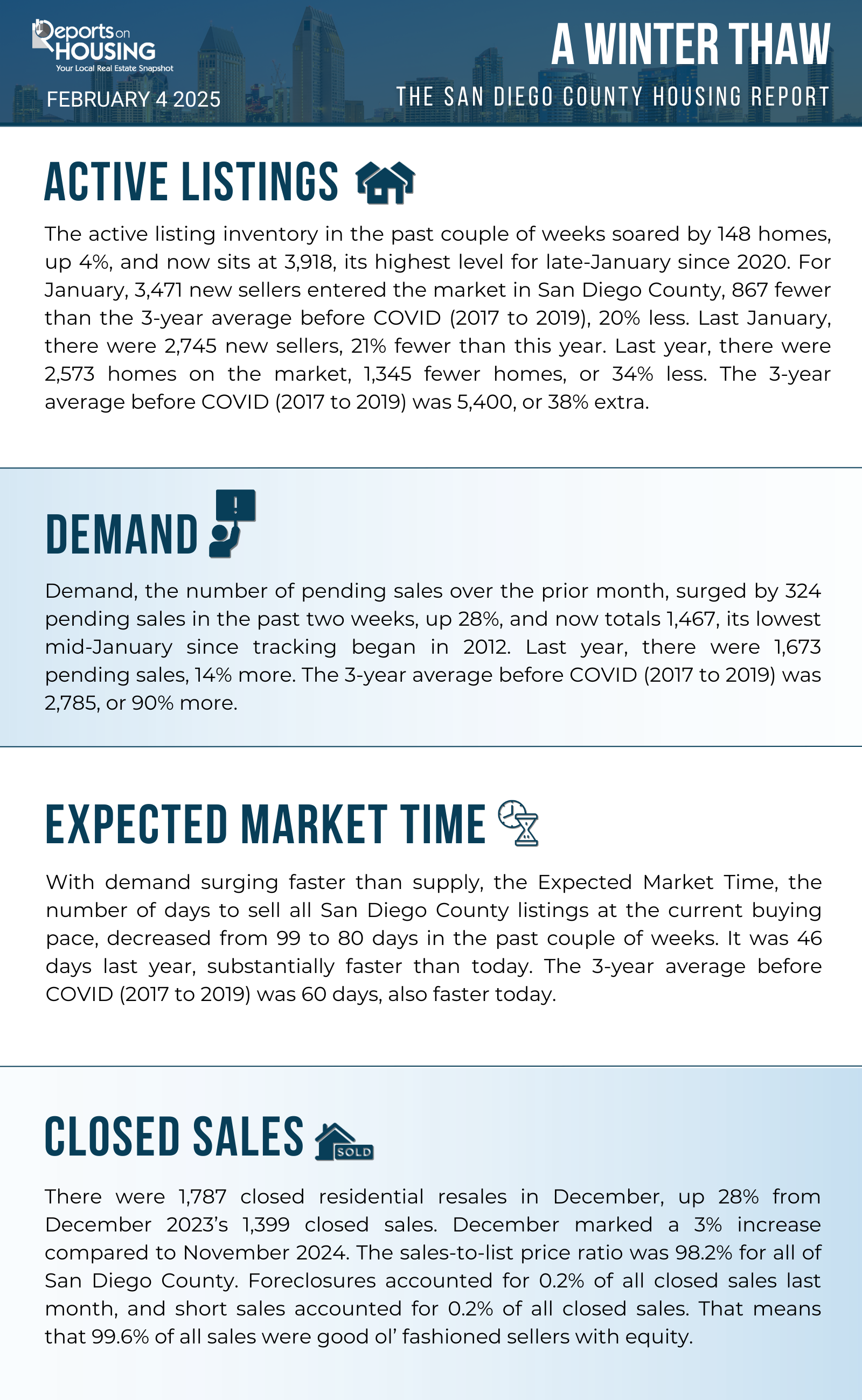
The median sale price for a home in Carlsbad, CA, sits around $1,420,000 this year, making property taxes a major line item in any buyer's monthly budget. With homes spending an average of just 27 days on the market, buyers often rely on the best real estate agent in Carlsbad to move quickly when they find the right property. Local assessments directly impact your carrying costs and require careful review before you submit an offer.
San Diego County handles the billing and valuation for all parcels within the city limits. While the state sets the baseline rules for how real estate is taxed, local bonds and community facility districts dictate the final amount due each year. A clear breakdown of the base rate and local additions helps you accurately project your long-term housing expenses.
How San Diego County Calculates Your Carlsbad Tax Bill
California applies a standard base property tax rate of 1% to the assessed value of all real estate. The San Diego County Assessor determines this initial tax assessed value, which is generally based on the purchase price when a property changes hands. This baseline figure serves as the foundation for your annual tax obligation.
Local voter-approved bonds and school district levies push the total percentage above that 1% floor. For most addresses in Carlsbad, the median effective property tax rate falls between 1.08% and 1.23%. The exact percentage depends on the specific zip code and the overlapping tax districts assigned to that parcel.
The assessed value used for taxation often differs from the current market value, especially for homeowners who purchased years ago. Because the county calculates your bill based on the assessed figure rather than what the home could sell for today, long-time owners generally pay a lower effective rate relative to current market pricing. Buyers purchasing in 2026 will see their initial assessment tied directly to their closing price.
Mello-Roos Fees and Local Assessments
Many master-planned developments in Carlsbad include Mello-Roos Community Facilities Districts (CFDs). These districts allow local governments to issue bonds to fund public infrastructure, and the repayment of those bonds is billed alongside your secured property taxes. These charges can add hundreds or thousands of dollars to your annual housing costs.
Mello-Roos funds pay for tangible neighborhood improvements like new Carlsbad Unified School District facilities, fire stations, parks, and libraries. Newer subdivisions, particularly in areas like La Costa and Aviara, are much more likely to carry these assessments than older neighborhoods constructed before the 1980s. The bond terms dictate how long the assessment lasts, with many structured to be paid off over 20 to 40 years.
Buyers should request a full tax lookup and disclosure of all direct assessments before finalizing a purchase contract. Since Mello-Roos fees do not fluctuate based on the home's assessed value, they represent a fixed annual cost that lenders will factor into your debt-to-income ratio. The preliminary title report reveals exactly which CFDs apply to a specific parcel.
Estimating Your Annual Tax Costs
The median sale price for homes in Carlsbad, CA, is currently around $1,420,000. Applying a general effective rate of 1.1% to that purchase price results in a baseline annual tax bill of roughly $15,620. This figure excludes any fixed Mello-Roos charges, which would be added on top of that percentage-based calculation.
Property types carry different price points that naturally impact the total tax burden. Coastal condominiums and townhomes average between $700,000 and $1,100,000 this year. At a $900,000 purchase price, the base property taxes would run approximately $9,900 annually before factoring in special assessments or homeowner association dues.
Detached single-family homes typically sit at the higher end of the pricing spectrum, often pushing past the $1.5 million mark in certain neighborhoods. Buyers should run calculations using the specific effective rate for their target zip code rather than the citywide average. The San Diego County Treasurer-Tax Collector provides online tools to review the historical tax bills for any registered parcel.
Payment Schedules and Deadlines
The San Diego County Treasurer-Tax Collector issues annual property tax bills each fall, typically mailing them out by early October. California divides the annual tax obligation into two equal installments rather than requiring a single lump-sum payment. Homeowners who use an escrow account through their mortgage servicer will see these payments withdrawn automatically, while those paying directly must track the deadlines themselves.
Missing a deadline triggers steep financial penalties. The county applies a 10% penalty for late payments, and the second installment carries an additional administrative fee if it becomes delinquent.
The installment schedule follows specific dates every year:
- First Installment: Due on November 1 and becomes delinquent if not paid by December 10.
- Second Installment: Due on February 1 and becomes delinquent if not paid by April 10.
Property owners have several payment options to settle their accounts. The county accepts online e-checks without an added charge, while credit card processing requires a convenience fee based on the transaction amount. Mailed payments must be postmarked by the delinquency date to avoid late charges.
Proposition 13 and Long-Term Tax Limits
California's Proposition 13 caps the annual increase to a property's assessed value at a maximum of 2% per year. This state law protects homeowners from sudden spikes in their tax bills driven by rapidly appreciating real estate markets. Even if a home's market value jumps by 10% in a single year, the county cannot increase the assessed value for tax purposes by more than 2%.
A full reappraisal to current market value is only triggered when a property changes ownership or undergoes major new construction. When you purchase a home, the county resets the assessed value to your purchase price, establishing a new base year. From that point forward, the 2% cap applies to your new baseline.
This system provides long-term predictability for residents who hold onto their properties for decades. If a homeowner believes their tax assessed value exceeds the current market value due to a market downturn, they have the right to file a formal appeal. The San Diego County Assessment Appeals Board reviews these cases and can grant temporary reductions if the evidence supports a lower valuation.
Frequently Asked Questions
What is the property tax rate in Carlsbad, CA?
A buyer purchasing a $1 million property should anticipate an annual tax bill between $10,800 and $12,300. A quick search of the county's parcel database reveals exactly where a specific address lands on this spectrum.
Are property taxes paid monthly or yearly in Carlsbad, CA?
San Diego County issues one yearly tax bill, but you are not required to pay the balance all at once. To manage your budget, you can set aside one-twelfth of your estimated annual taxes each month so the funds are ready for the November 1 and February 1 installment deadlines.
How do I find out if a home in Carlsbad has Mello-Roos fees?
Sellers must provide a full disclosure of these charges during the transaction, but buyers should not wait for escrow to find out. You can proactively verify the exact assessment amounts using the county's online parcel lookup tool before you ever submit an offer.
What property tax exemptions are available in San Diego County?
The most common is the Homeowners' Exemption, which reduces the assessed value of a primary residence by $7,000. The county also offers specific exemptions for disabled veterans and institutional exemptions for qualifying non-profit organizations.
When does a change in ownership or new construction trigger a property reappraisal?
Transferring a title between spouses or placing a primary residence into a living trust generally protects the property from reassessment. However, selling the home on the open market or building a permitted accessory dwelling unit will prompt the county to issue a supplemental tax bill.
Do county assessors go inside your home for a reappraisal?
Assessors typically do not enter a home to determine its value for tax purposes. They rely on recorded purchase prices, exterior inspections, and municipal permitting data to calculate assessments.