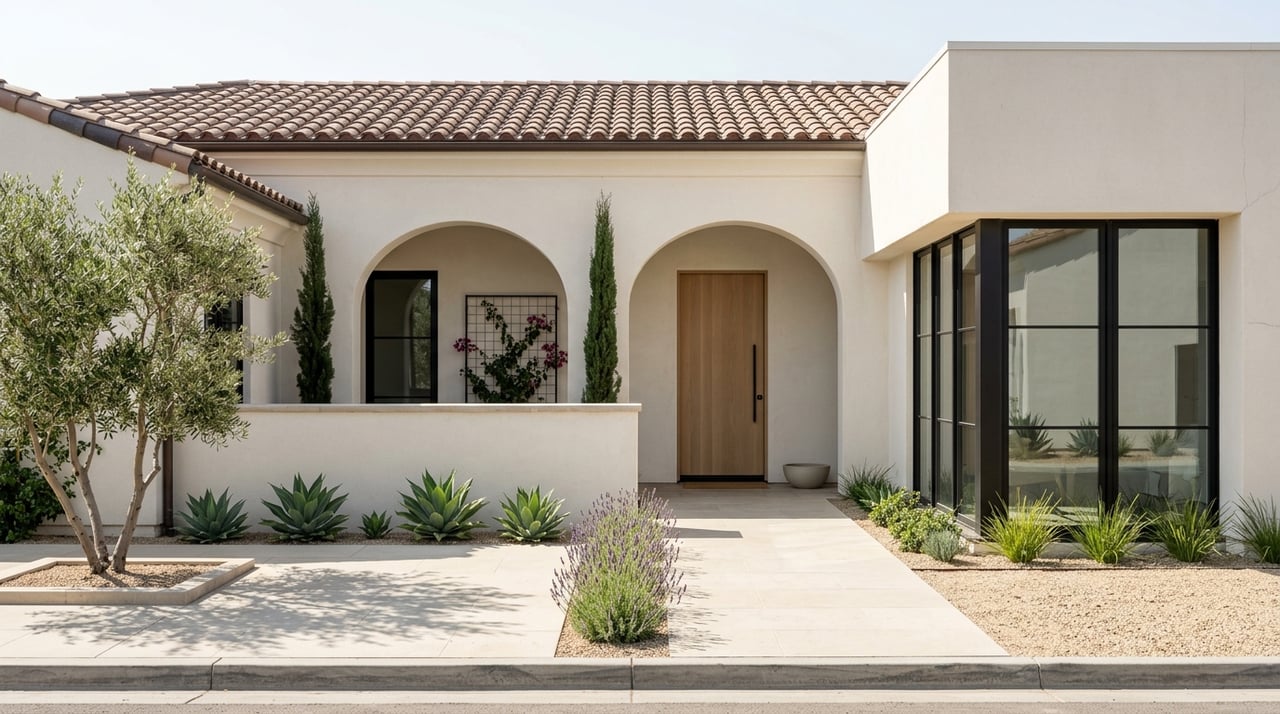
If you have ever looked at homes in La Jolla and wondered why they feel so distinct from one block to the next, the answer often starts with architecture. In a coastal community shaped by ocean bluffs, steep canyons, hillsides, and limited room to build, design is closely tied to the land itself. When you understand the architectural styles that define La Jolla coastal homes, you can read listings more clearly, compare properties with more confidence, and better understand what may affect lifestyle, upkeep, and future changes. Let’s dive in.
Why La Jolla architecture stands out
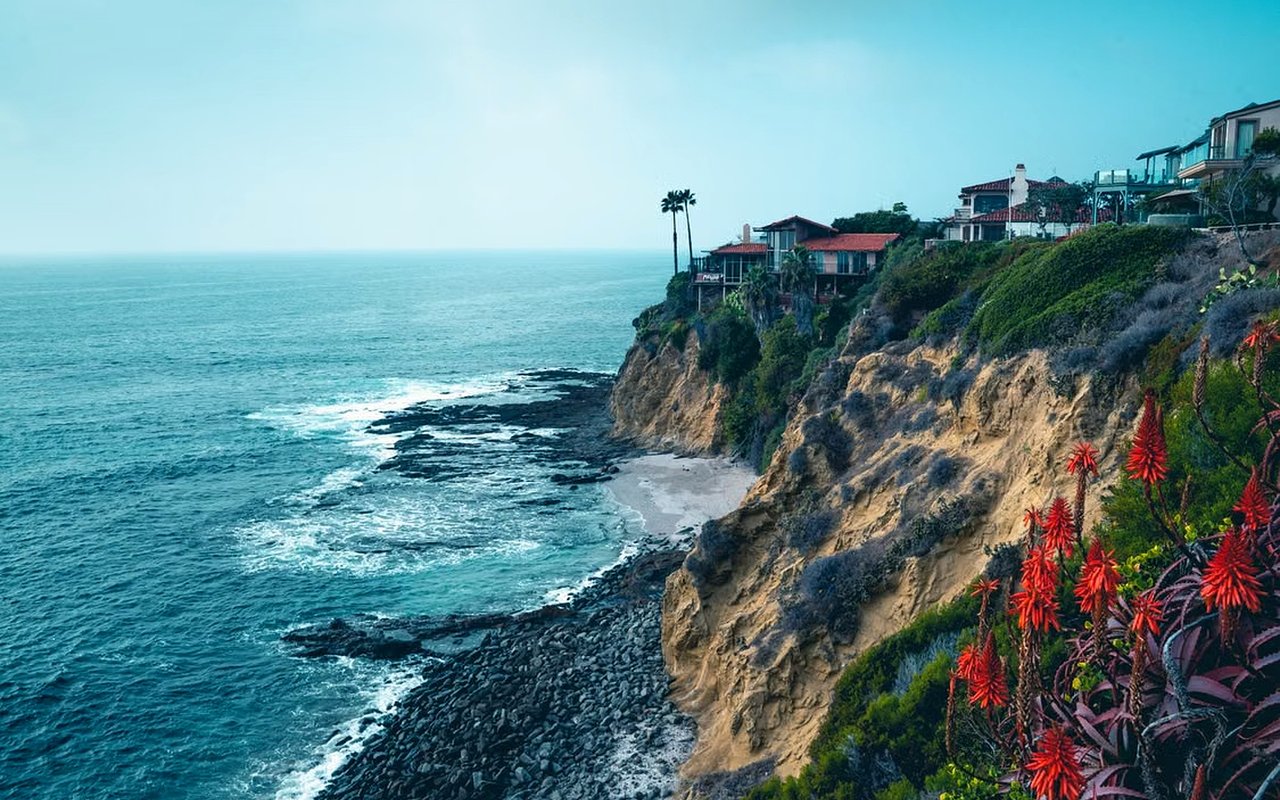
La Jolla is a primarily residential coastal community, and its physical setting has had a major influence on the homes you see today. The City of San Diego describes the area as shaped by beaches, bluffs, hillsides, canyons, and Mount Soledad, which means house form is often a response to view orientation, lot shape, and elevation.
That matters because La Jolla is also about 99 percent built out. Instead of large new subdivisions, most housing change now comes through infill, renovation, additions, or replacement homes. In practical terms, architecture here is not just about style. It is also about what the site and local rules allow.
Beach cottages and bungalows
One of La Jolla’s earliest and most charming home types is the beach cottage or bungalow vernacular. According to City of San Diego historical materials, more than 450 beach cottages were built in La Jolla between 1890 and 1925, though only a small number remain today.
These homes are usually small to medium in scale and often one to one-and-a-half stories tall. Common features include low-sloping hipped or gabled roofs, modest porches, exposed roof structure, and exterior finishes such as wood shingles, horizontal siding, or stucco.
How cottage homes feel
Cottages and bungalows often feel casual, approachable, and closely tied to the outdoors. Their appeal comes from human scale, simple forms, and a direct relationship to porches, windows, and open air.
If you love charm and intimacy, this style may stand out to you right away. In La Jolla, surviving cottages can carry a strong sense of local history because they reflect the community’s earlier period as a coastal retreat with many summer homes.
Spanish and Mediterranean homes
Spanish Colonial Revival and Mediterranean-influenced homes form another major chapter in La Jolla’s architectural identity. The La Jolla Historical Society identifies the 1920s Spanish Revival era as an important part of the community’s historic built environment.
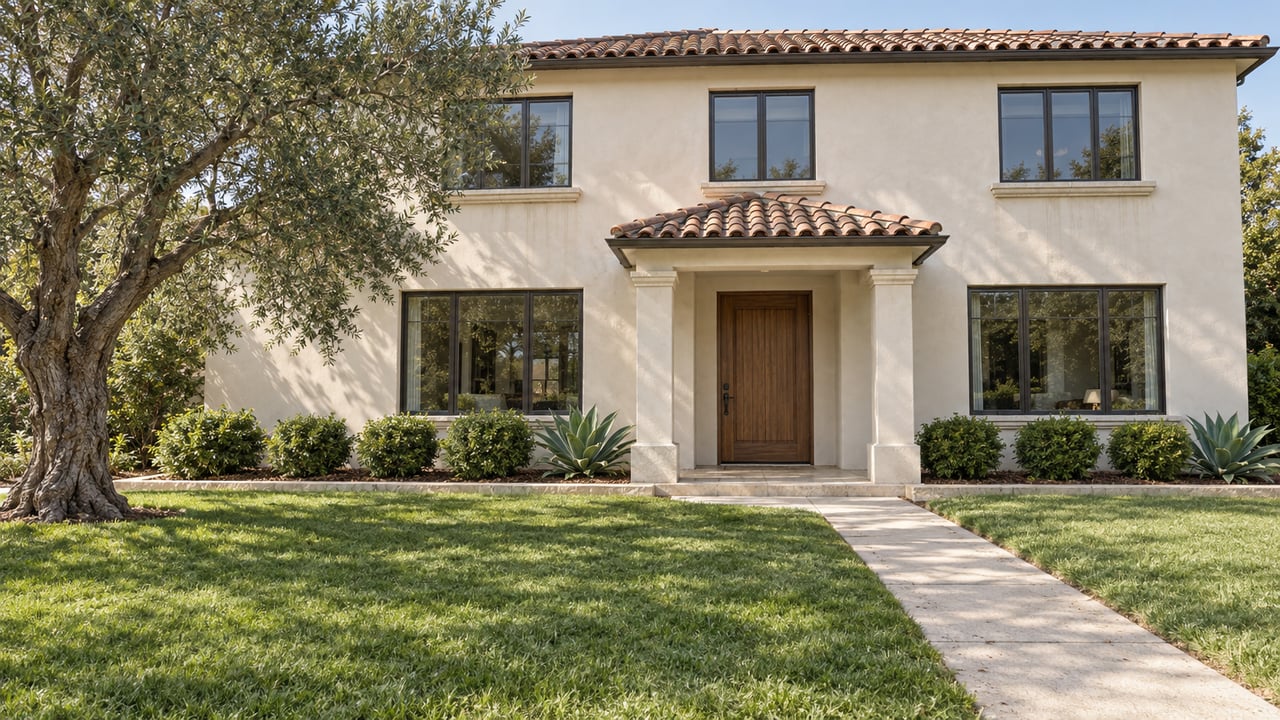
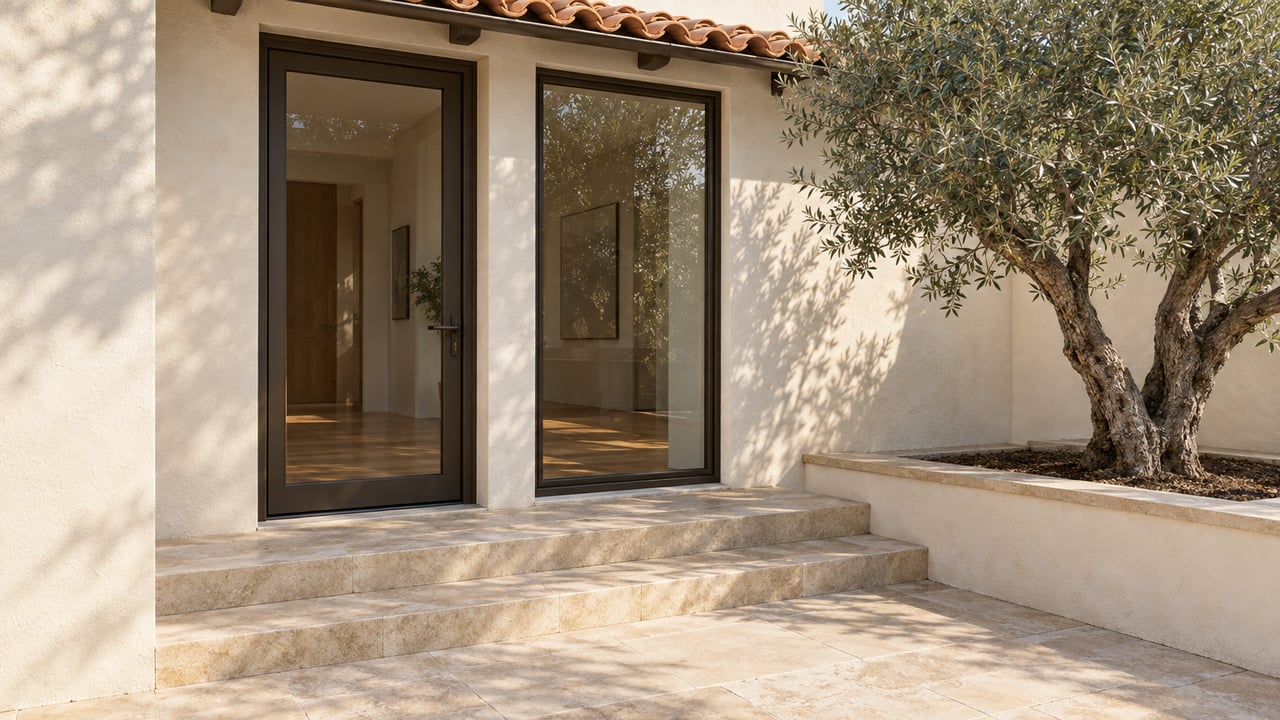
These homes are often easy to recognize once you know the visual cues. You may see stucco walls, red tile roofs, arches, arcades, iron railings or grilles, parapets, towers, and decorative plaster details. Some Mediterranean-influenced homes also show larger, boxier massing with simpler stucco surfaces and a more formal look.
Why this style remains popular
Spanish and Mediterranean homes tend to offer warmth and a strong sense of retreat. Courtyards, textured walls, and arched openings often create a more enclosed and private feeling than a glass-forward modern home.
For many buyers, this style captures a classic Southern California coastal look. It can feel timeless in La Jolla because it fits both the area’s history and the indoor-outdoor lifestyle many people want near the coast.
Mid-century modern and modernist homes
La Jolla also has an unusually strong modernist legacy. The La Jolla Historical Society notes that the community includes early mid-century modern buildings associated with architects such as Irving Gill, Rudolph Schindler, Louis Kahn, and Richard Neutra.
Modernist homes in La Jolla often feature flat or low-pitched roofs, expansive windows, smooth wall surfaces, and strong integration with nature. Compared with older revival styles, they usually read as lighter, cleaner, and more focused on views and natural light.
What buyers notice first
When you walk into a mid-century modern or early modernist home, the connection to the site is often the first thing you notice. Large windows, open sight lines, and minimal ornament can make the ocean, canyon, or hillside feel like part of the interior experience.
If you prefer simplicity, light, and a more architectural feel, this style may be especially appealing. In La Jolla, it also carries local significance because modernism is such an important part of the community’s design history.
Contemporary coastal homes today
Contemporary coastal homes are common in La Jolla, but this is better understood as a current building pattern than a single historic style. Because the community is largely built out, much of the newer work comes through infill projects, major remodels, additions, and replacement homes.
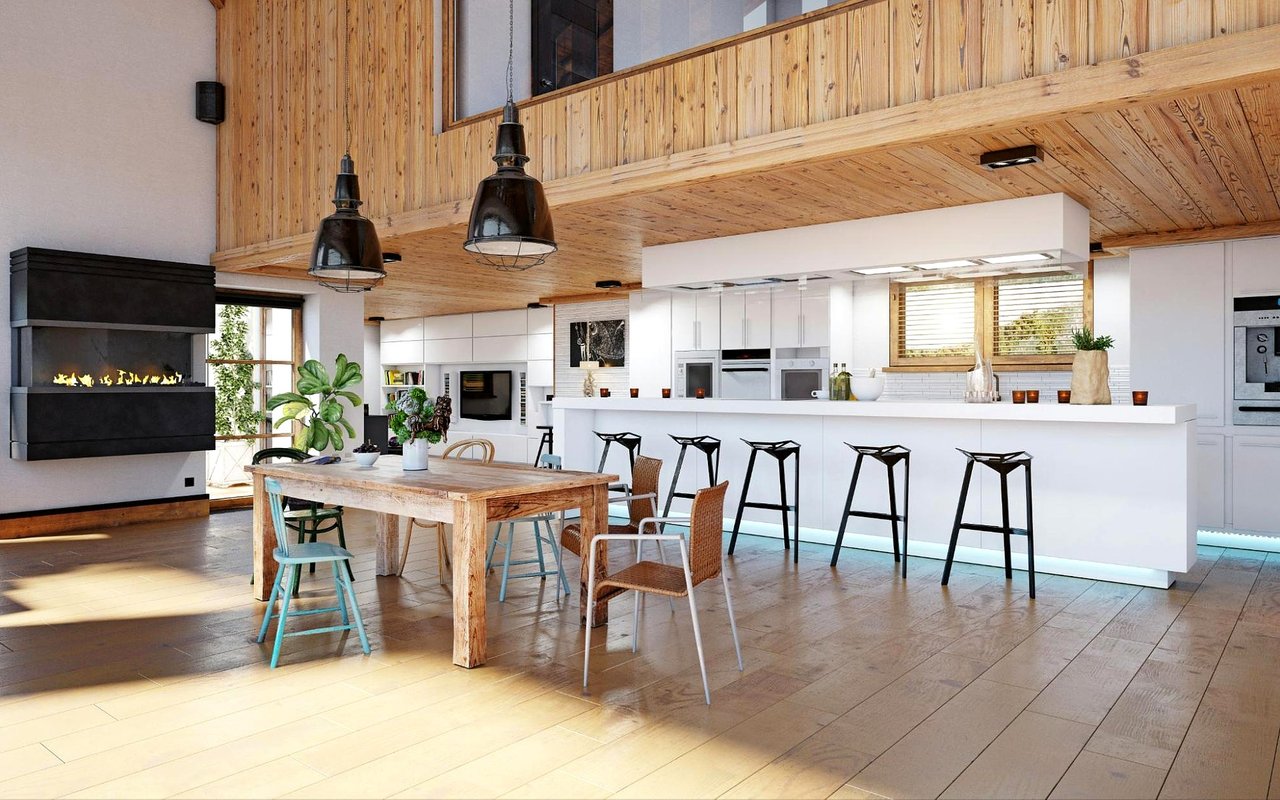
These homes often continue ideas seen in modernist design, including open floor plans, large glazing, clean lines, and stronger indoor-outdoor flow. At the same time, each property is usually shaped by its lot, surrounding homes, and local development rules.
Why newer homes still feel constrained
In La Jolla, newer does not always mean larger or simpler to build. The area includes the Coastal Overlay Zone, and the City of San Diego notes that some projects may require a Coastal Development Permit before construction permits are issued.
The city also states that the coastal height limit is 30 feet in affected areas. That helps explain why rooflines often stay low and why homes may have stepped or terraced massing, especially on view-oriented or sloped sites.
How to read style cues in listings
When you are browsing homes online or walking a property in person, a few visual clues can help you identify the architectural language quickly.
Quick style guide
- Beach cottage or bungalow: low rooflines, porches, shingle siding, compact one-story or one-and-a-half-story forms
- Spanish Colonial Revival or Mediterranean: stucco exteriors, red tile roofs, arches, arcades, parapets, towers, iron grilles
- Mid-century modern or modernist: flat roofs, cantilevered lines, expansive windows, smooth wall surfaces, minimal ornament
- Contemporary coastal: clean lines, large glass openings, open layouts, remodeled or infill form shaped by coastal rules and lot limits
These clues are useful because style affects more than appearance. It often hints at how a home lives day to day, how it was built, and what updates may be easier or harder over time.
How style shapes daily living
In La Jolla, architecture is closely connected to lifestyle. A cottage may feel cozy and informal, with a strong connection to porches and outdoor living. A Spanish or Mediterranean home may feel more sheltered and layered, with courtyards and thicker visual texture.
A mid-century modern home may prioritize openness, natural light, and a direct visual relationship to the site. A contemporary coastal home often aims to combine those same goals with updated layouts and larger openings to outdoor terraces or view areas.
Matching style to your priorities
If you are buying, it helps to think about what matters most in your daily routine. You may prefer charm and character, classic architectural detail, minimal design, or a more updated layout.
The right fit is not only about square footage or bedroom count. In La Jolla, the style of a home can change how private it feels, how bright it feels, and how naturally it supports the way you want to live.
Why architecture affects maintenance
Owning near the coast means maintenance matters, no matter the style. In coastal regions, higher humidity and airborne salt can affect metals and exterior materials, so corrosion-resistant connectors and fasteners are especially important.
That means the maintenance story is often less about whether a home is Spanish, cottage, or modern, and more about how well its roof, windows, exterior metals, and structural connectors were chosen for the marine environment. Two homes with similar square footage can have very different upkeep needs depending on material quality and construction decisions.
Historic character and renovation limits
Historic character can also affect value and flexibility. The City of San Diego notes that historic districts may provide indirect benefits such as increased property values related to their desirability, along with potential direct benefits like Mills Act property tax reduction, some zoning flexibility, and use of the State Historic Building Code.
At the same time, the city says owners in historic districts are responsible for maintaining properties under the Secretary of the Interior’s Standards and obtaining approval before maintenance, restoration, or alteration work. If you are buying with renovation in mind, that is an important detail to confirm early.
What buyers and sellers should ask
Before you assume a remodel or addition will be straightforward, it is smart to look at a few key questions:
- Is the property historically designated or located in a historic district?
- Is the home in an area affected by coastal permitting requirements?
- How might the height limit or site conditions shape design options?
- Have prior updates respected the home’s original character and coastal setting?
For sellers, these same details can also shape marketing strategy. A home’s style, history, and renovation path can all influence how buyers perceive value.
Why architectural context matters in La Jolla
La Jolla’s coastal homes are best understood as a layered mix of older cottages, Spanish and Mediterranean revival homes, important modernist properties, and contemporary infill or remodeled residences. Each reflects a different chapter in the area’s history, but all are influenced by the same coastal landscape and planning context.
That is why architecture matters so much here. It affects first impressions, daily function, maintenance expectations, and what may be possible if you want to update a property in the future.
Whether you are buying a view home, preparing a property for sale, or simply trying to understand the market better, reading architecture well gives you an advantage. In a place as built-out and design-sensitive as La Jolla, that knowledge can help you make smarter and more confident decisions.
If you are thinking about buying or selling in La Jolla, working with someone who understands both the market and the nuances of coastal housing can make the process much clearer. Amy Green brings deep local knowledge, thoughtful guidance, and a calm, hands-on approach to every step.
FAQs
What architectural styles are most common in La Jolla coastal homes?
- La Jolla coastal homes are commonly described as beach cottages and bungalows, Spanish Colonial Revival and Mediterranean-influenced homes, mid-century modern or early modernist homes, and contemporary coastal infill or remodeled homes.
Why do La Jolla homes have such varied architecture?
- La Jolla’s architecture reflects different historical periods, but it is also shaped by the area’s bluffs, hillsides, canyons, ocean views, limited buildable land, and coastal development rules.
How can buyers identify a Spanish-style home in La Jolla?
- Buyers can often spot Spanish or Mediterranean-style homes by looking for stucco walls, red tile roofs, arches, arcades, parapets, iron details, and sometimes tower-like elements.
How can buyers identify a mid-century modern home in La Jolla?
- Mid-century modern homes in La Jolla often feature flat roofs, expansive windows, smooth wall surfaces, minimal ornament, and strong visual connections to the surrounding site.
Do historic homes in La Jolla have renovation restrictions?
- Some do, especially if a property is historically designated or located within a historic district, where maintenance and alterations may require approvals and must follow applicable preservation standards.
Why do coastal rules matter for La Jolla home design?
- Coastal rules matter because projects in the Coastal Overlay Zone may require additional review, and the city’s 30-foot coastal height limit can affect rooflines, massing, and renovation options.