When buyers start looking at homes in Southern California, the local climate is often one of the biggest driving factors behind their decision. Carlsbad offers a distinct coastal environment that heavily influences daily routines, property features, and overall lifestyle.
Understanding the nuances of the weather and climate in Carlsbad CA helps buyers make informed choices about the neighborhoods and home layouts that best fit their needs. From morning marine layers to predictable summer sunshine, this coastal city provides an incredibly consistent living experience.
The Mediterranean Climate of Carlsbad, CA
The city of Carlsbad enjoys a classic Mediterranean climate, which is characterized by warm, dry summers and mild, moderately wet winters. This specific climate type is relatively rare globally but defines much of the highly sought-after Southern California coastline.
Extreme temperature swings and severe weather events are exceptionally rare along the coast. The average temperature during the summer comfortably sits between 73 and 76 degrees Fahrenheit in July and August, while winter lows hover between 46 and 51 degrees in December and January.
Steady coastal breezes act as a natural temperature regulator, keeping the immediate shoreline noticeably cooler than inland neighboring cities like Vista. The sheer consistency of this mild climate makes Carlsbad a premium real estate market, as buyers are willing to pay top dollar for year round comfort.
Average Monthly Temperatures and Rainfall
Precipitation in North County follows a distinct seasonal pattern, with a clearly defined rainy season and a long dry season. The area receives an average annual precipitation of approximately 10 to 12 inches, making local water conservation efforts a standard part of property ownership.
February is typically the rainiest month, while the period from May through September sees minimal to no rainfall. Even during the driest summer months, the immediate proximity to the Pacific Ocean keeps humidity at very comfortable levels.
Coastal Weather Phenomena: Understanding May Gray and June Gloom
Buyers relocating from out of state are often surprised by the local weather patterns known as May Gray and June Gloom. These terms describe a thick marine layer that blankets the coastline during the late spring and early summer months.
This phenomenon occurs when the cool ocean water interacts with the warming spring air, creating dense morning fog and mostly cloudy skies. The cloud cover significantly impacts morning visibility and keeps temperatures quite cool near the beach during the early hours.
Fortunately, this coastal marine layer typically burns off by late morning or early afternoon, revealing bright, sunny skies. Local residents quickly learn to adapt by scheduling their outdoor recreation in the afternoons once the sun breaks through the clouds.
How Carlsbad Weather Impacts Real Estate and Home Features
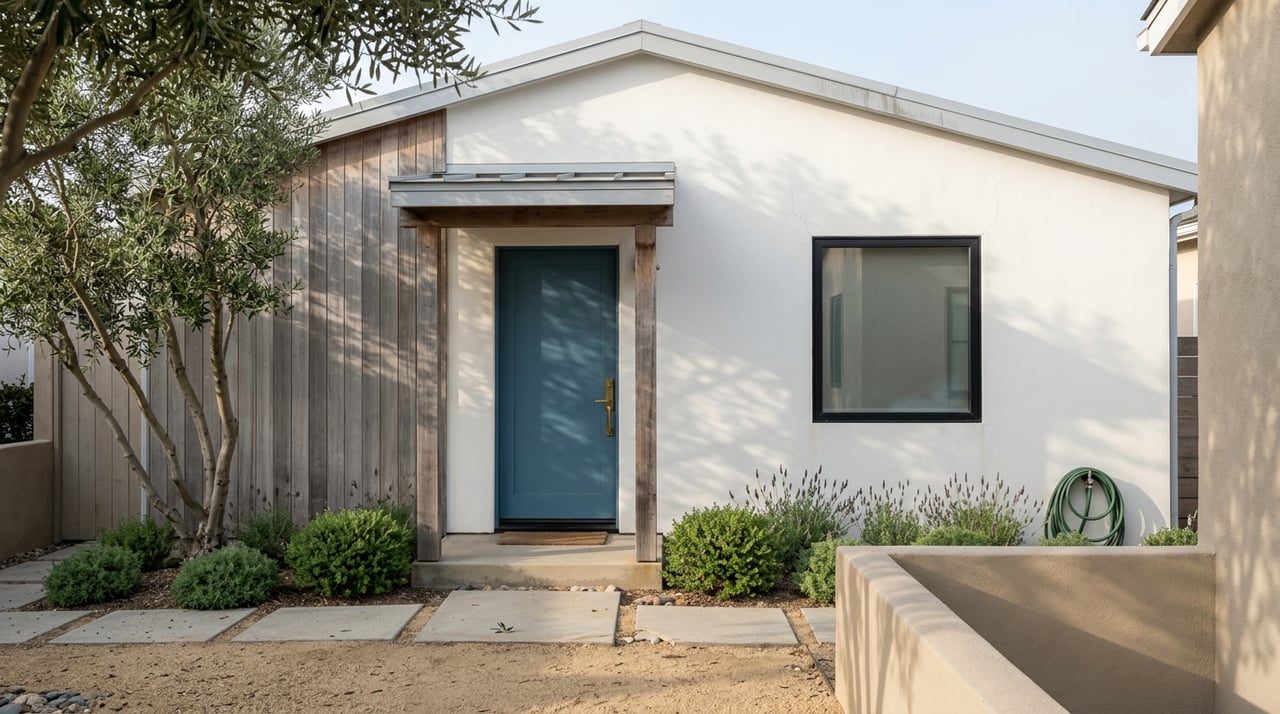
The mild climate directly dictates architectural styles and high-demand property features throughout North County. Buyers consistently prioritize properties that offer seamless transitions between interior rooms and exterior living spaces.
Outdoor living areas, such as deeply covered patios and fully equipped outdoor kitchens, command significant price premiums, sometimes adding $50,000 to $100,000 to a property's valuation. Features like built-in fire pits are incredibly popular for entertaining during those crisp, 50-degree winter evenings.
The local weather also heavily influences landscaping choices, with many HOA guidelines now strongly encouraging drought-tolerant plants and hardscaping. Investing in weather-appropriate exterior upgrades is a proven strategy that directly increases a property's future resale value.
Designing for the Climate: Energy-Efficient HVAC Systems
While ocean breezes naturally cool the coast, energy-efficient HVAC systems remain highly sought after by today's buyers. Late summer heatwaves typically peak in September and October, making modern air conditioning a necessity for optimal indoor comfort.
Many homeowners install solar panels to offset the increased energy costs associated with cooling their homes during these warmer months. Consequently, fully updated HVAC units and integrated solar systems stand out as major selling points on the local MLS.
Enjoying Year-Round Outdoor Amenities in Carlsbad
The consistent weather allows residents to fully utilize the city's extensive network of outdoor amenities at any time of the year. Carlsbad features miles of accessible beaches, championship golf courses, and meticulously maintained public spaces.
Predictable weather patterns strongly support active lifestyles and contribute to the area's robust local tourism. The city is highly walkable and bikeable, with dedicated trails connecting various neighborhoods directly to commercial centers.
Year-round access to facilities like the aquatic center at Alga Norte Community Park or the trails at Calavera Hills Community Park is a major draw for buyers. This immediate proximity to usable outdoor recreation directly drives neighborhood demand and sustains high property values in master-planned areas like Aviara.
Frequently Asked Questions About Carlsbad Weather
Does it rain a lot in Carlsbad, CA?
Carlsbad does not experience heavy rainfall, averaging only about 10 to 12 inches of precipitation annually. The vast majority of this rain falls during the winter months, particularly in February. During the summer, the chance of precipitation drops to near zero.
Is Carlsbad considered a desert climate?
Carlsbad is not a desert, but rather a coastal Mediterranean climate. While it shares low annual rainfall totals with inland desert regions, the constant influence of the Pacific Ocean keeps temperatures mild and prevents extreme summer heat. This coastal moderation creates a completely different environment than the arid deserts located further east.
What is the 10-day weather forecast typically like in January?
A typical 10-day weather forecast in January will show partly cloudy skies with daytime highs in the low 60s and overnight lows around 46 degrees. You might see a slight chance of precipitation during this window, as winter is the primary rainy season. However, prolonged winter storms are rare, and sunny days remain frequent even in the middle of winter.