Relocating to Southern California often means choosing between immediate coastal access and reliable suburban infrastructure. Carlsbad strikes a highly functional balance, offering miles of Pacific coastline alongside heavily planned community layouts. The city has grown significantly over the past decade, shifting from a quiet beach town into a major economic hub within North County.
Buyers looking at the market today face a landscape shaped by strict development regulations and consistently high demand. Understanding the local nuances - from Mello-Roos taxes to commute patterns along Interstate 5 - is essential for making an informed purchase. This guide covers the essential data points and neighborhood characteristics defining the Carlsbad real estate market in 2026.
Understanding the 2026 Carlsbad Housing Market
The citywide median home price sits firmly between $1,400,000 and $1,600,000 as of 2026. Inventory levels remain exceptionally tight due to strict local zoning laws that heavily restrict new residential construction. This creates a highly competitive buying environment, particularly for updated properties located west of Interstate 5.
Entry-level coastal condominiums offer a slightly more accessible price point, generally starting around $700,000 for older units. On the other end of the spectrum, luxury and ocean-view single-family estates frequently exceed $2,500,000. Buyers must also factor in the financial impact of master-planned communities, which often carry substantial HOA dues and Mello-Roos taxes that impact monthly carrying costs.
My strongest advice for buyers in this market is to heavily weigh the long-term costs of those community fees against the actual amenities provided. A lower list price in a master-planned development can quickly become more expensive monthly than a higher-priced home with no HOA. Always request a full breakdown of the property tax bill during the inspection period.
Many buyers are surprised by the age discrepancy among available properties in different zip codes. Coastal areas often feature homes built in the 1970s that require extensive renovation, while eastern neighborhoods boast newer construction with modern floor plans. Balancing the desire for a turnkey property against the demand for a coastal location is a primary challenge for buyers here.
Top Neighborhoods: Aviara, La Costa, and Bressi Ranch
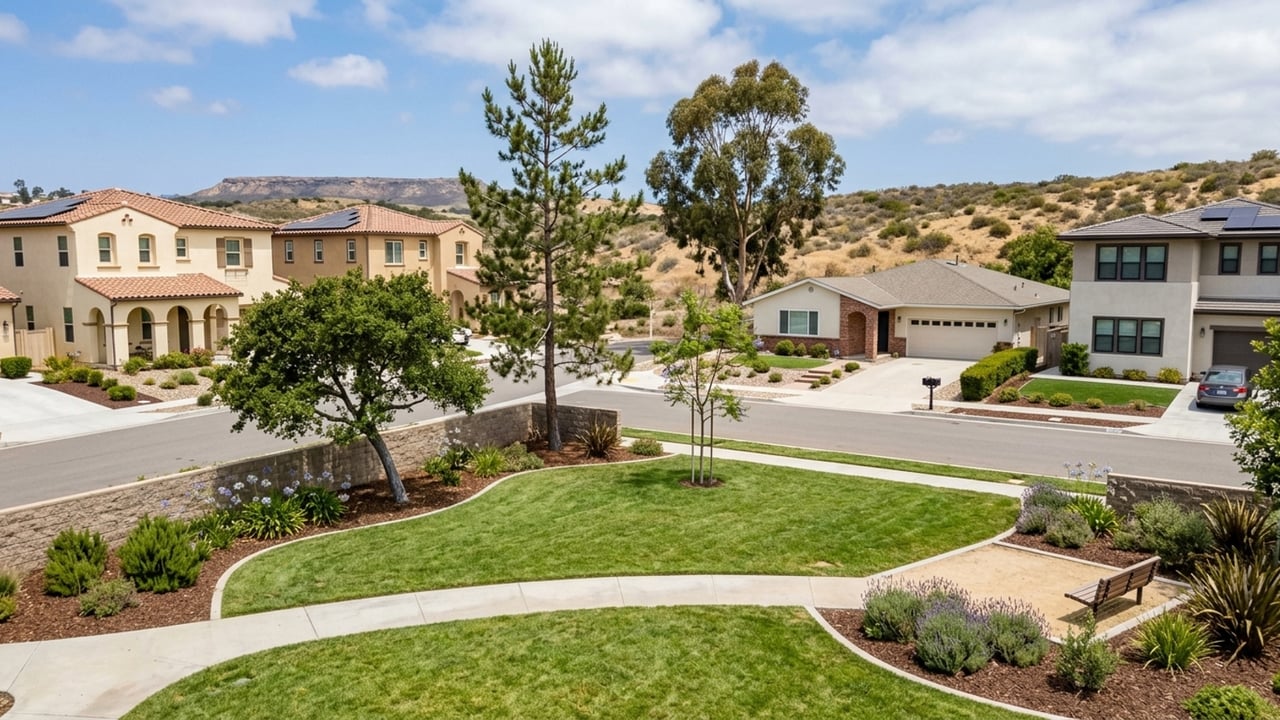
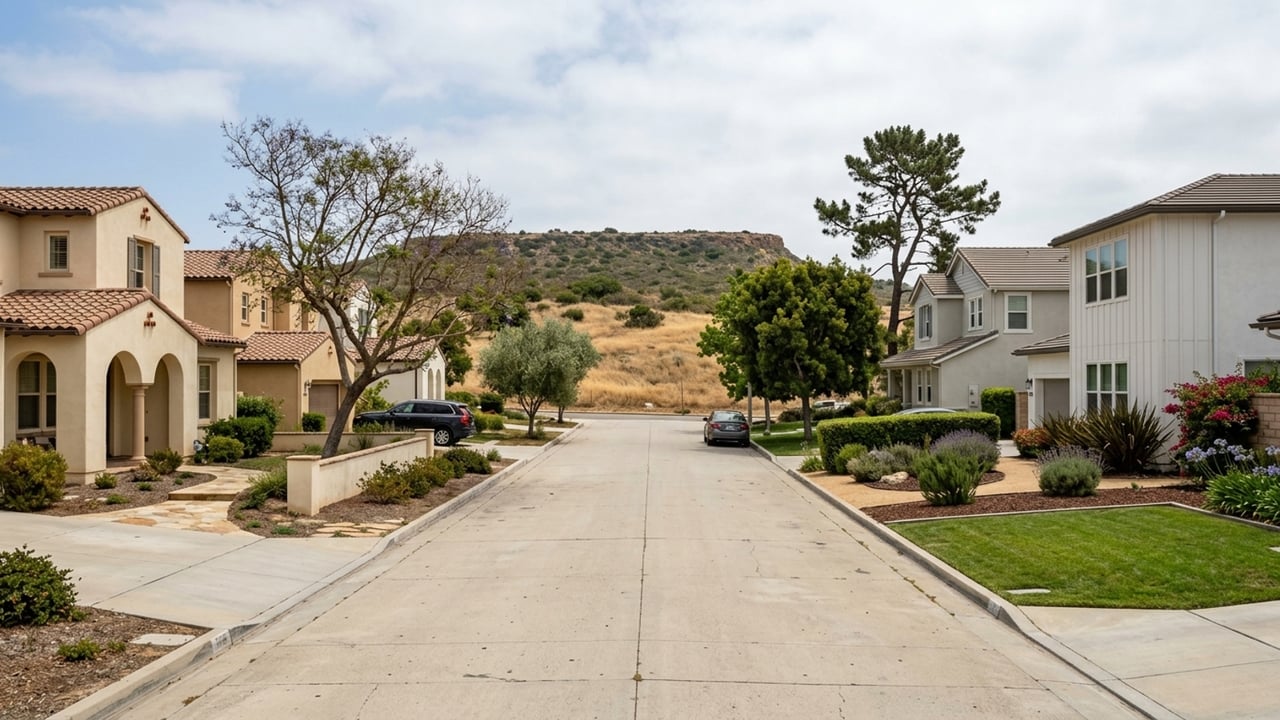
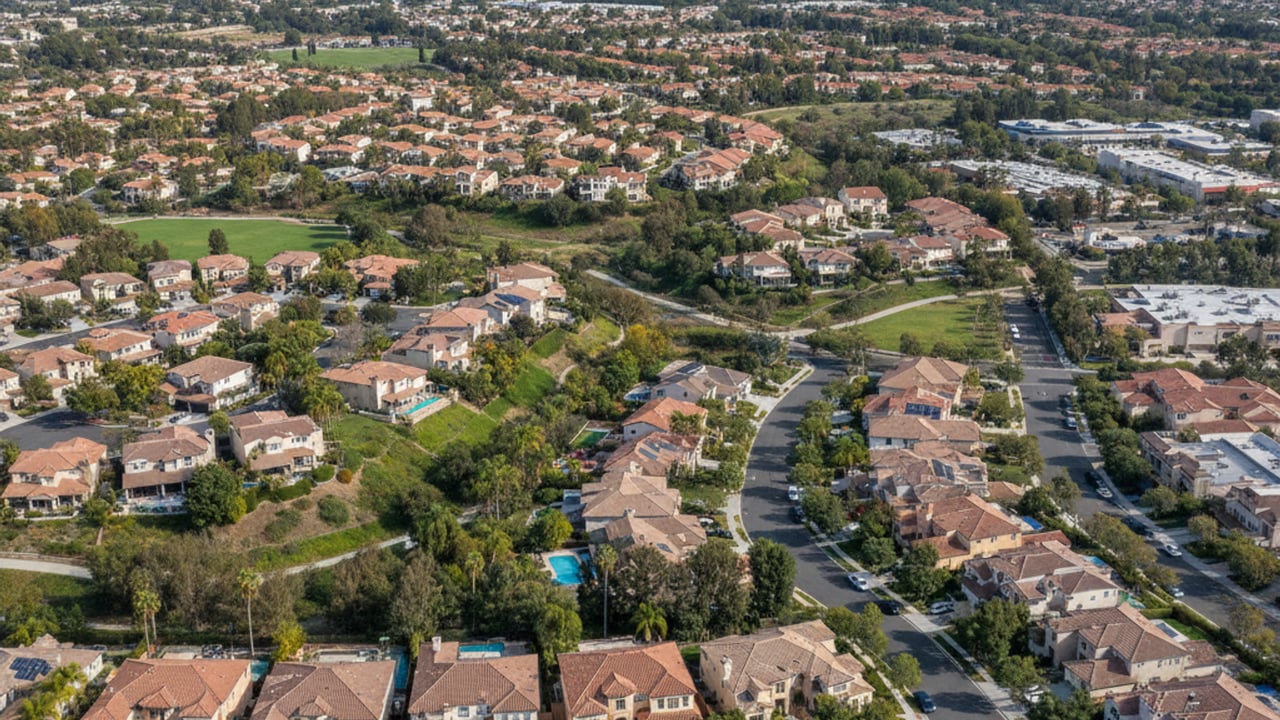
Carlsbad is defined by its distinct master-planned communities, each offering specific architectural guidelines and integrated infrastructure. Finding the right fit depends entirely on whether you prioritize golf course access, high walkability, or larger private lot sizes.
-
Aviara: Known for luxury single-family homes, unified architectural styles, and proximity to the Aviara Golf Club, with prices regularly reaching $1,900,000 to $2,000,000 or more.
-
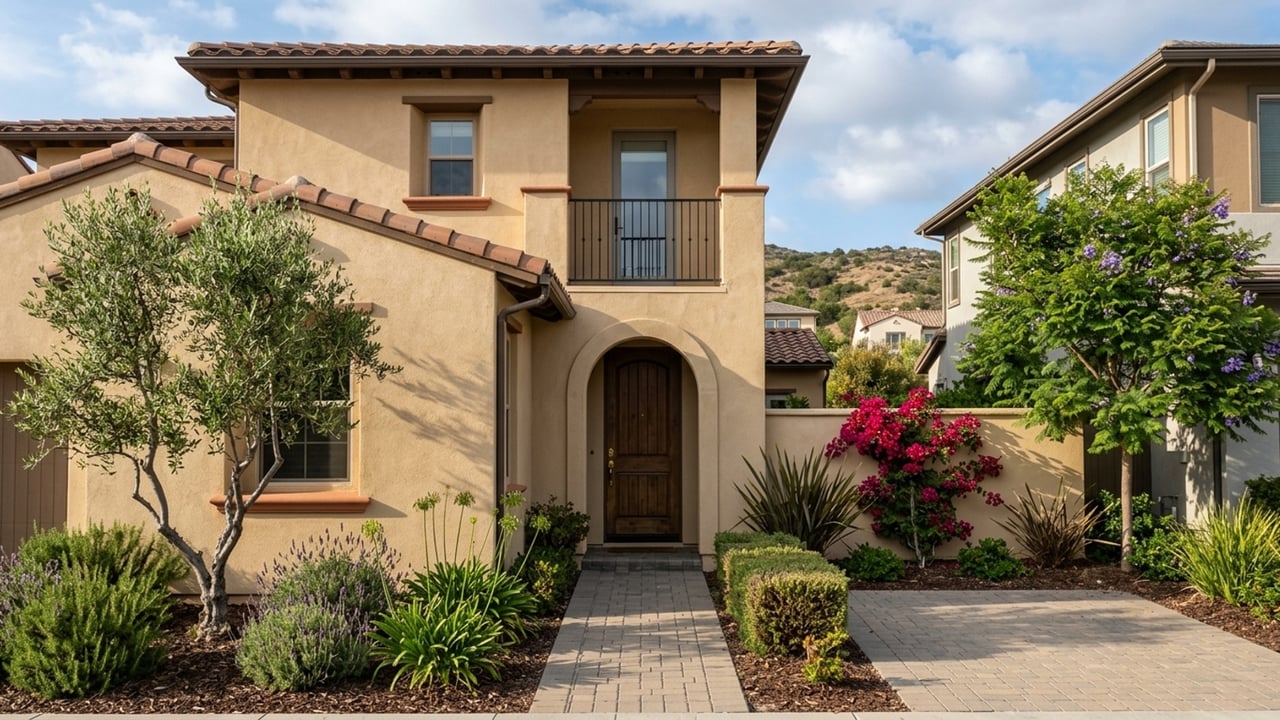
Bressi Ranch: Offers a mixed-use infrastructure with high walkability to local retail centers and features prominent Mediterranean-style properties.
-
La Costa: Features a broad blend of newer developments and older properties without HOAs, providing varied options and price points for buyers.
-
Olde Carlsbad: Located near the coast, this area offers custom homes on varied lot sizes and immediate, walkable access to the beach.
Keep in mind that HOA fees in premium communities like Aviara and Bressi Ranch can add several hundred dollars to your monthly expenses. Buyers should carefully review the specific community reserves and upcoming assessments before writing an offer.
Navigating the Carlsbad Unified School District
The Carlsbad Unified School District acts as a major factor driving real estate demand within the city limits. For the 2026 school year, the district operates 16 public schools serving approximately 10,700 students. The infrastructure is well-maintained, with several campuses having undergone significant modernization and technology upgrades over the last five years.
Academic metrics remain strong across the board, with the district consistently ranking in the top 10% of public schools in California for testing proficiency. These high proficiency ratings compared to the state average make homes within the district boundaries highly sought after by local buyers. Prominent facilities driving this demand include Sage Creek High School, Carlsbad High School, and Aviara Oaks.
Buyers should verify exact boundary lines before purchasing, as some southern portions of the city fall into neighboring districts. Property values tend to hold incredibly firm within the boundaries of the district's newest high school campuses. Always consult the district's official boundary map rather than relying solely on real estate listing descriptions.
Beyond the standard curriculum, the district has invested heavily in specialized academy programs at the high school level. These programs offer focused tracks in engineering, biomedical sciences, and visual arts. Access to these specialized facilities often drives buyers to target specific neighborhoods during their home search.
Commuting from Carlsbad to San Diego
Regional transit infrastructure plays a critical role in where buyers choose to purchase within the city. The primary driving routes connecting Carlsbad to major employment hubs rely heavily on Interstate 5 and Highway 78. Drive times to downtown San Diego run 35 to 70 minutes or more, depending heavily on peak traffic conditions and the specific day of the week.
There is a significant geographic difference between living in coastal versus inland Carlsbad when it comes to highway access. Coastal residents can generally reach Interstate 5 within minutes, while those in eastern neighborhoods may spend 15 minutes just navigating city surface streets. Buyers commuting to job centers in Sorrento Valley must factor this surface street traffic into their daily schedules.
If you plan to drive to San Diego daily, purchasing west of El Camino Real will save you nearly three hours of commuting time per week. The time savings alone often justifies the higher coastal property premiums for daily commuters.
The Highway 78 corridor provides the primary east-west artery, connecting Carlsbad to inland cities like San Marcos and Escondido. Traffic along this route heavily impacts residents in the northern section of the city. Navigating the interchange where Highway 78 meets Interstate 5 requires patience during the afternoon rush hour.
Public Transit: The Coaster Commuter Rail
The Coaster train serves as a highly viable alternative to freeway driving for those working in downtown San Diego. Carlsbad features two primary boarding locations: the Carlsbad Village station and the Carlsbad Poinsettia transit station. The southbound ride takes approximately 35 to 60 minutes to reach the Santa Fe Depot downtown.
Once downtown, riders have seamless transfer options to the local trolley system to reach other prominent employment centers. Station parking patterns dictate that commuters should arrive early during peak morning hours, as lots at the Poinsettia station fill up quickly.
Lifestyle, Parks, and Coastal Amenities
The geographic layout of Carlsbad provides residents with extensive recreational amenities and protected open spaces. Carlsbad State Beach and Tamarack Beach anchor the western edge of the city, offering miles of accessible coastline and paved sea walls. Inland, the trail systems and open space preserves around Batiquitos Lagoon and Calavera Hills provide extensive hiking and running routes.
Carlsbad Village serves as the primary downtown sector, featuring highly pedestrian-friendly infrastructure and historic charm. The area is packed with independent retail shops, local dining options, and weekly farmers markets. This dense concentration of amenities makes properties within walking distance of the Village command a significant real estate premium.
The city also hosts major regional attractions within its limits, most notably the Legoland California Resort. While tourists frequent these larger attractions, the local infrastructure effectively keeps heavy visitor traffic separated from the primary residential neighborhoods. The overall integration of natural lagoons, beaches, and commercial centers creates a highly balanced local lifestyle.
Golf enthusiasts will find numerous options integrated directly into the local real estate landscape. Courses like the Omni La Costa Resort and the Aviara Golf Club host professional tournaments and offer extensive club memberships. Properties backing up to these greens carry a premium, offering unobstructed views and meticulously maintained surroundings.
Frequently Asked Questions
Is Carlsbad CA a good place to live?
Carlsbad consistently ranks highly for its objective livability metrics, including dense park systems and strong public transit access. The city features 16 public schools that perform in the top 10% statewide for testing proficiency. Extensive trail networks around Batiquitos Lagoon and miles of accessible coastline provide abundant outdoor recreation.
What is the cost of living in Carlsbad compared to the national average?
The cost of living in Carlsbad sits significantly above the national average, driven almost entirely by regional housing prices. With a citywide median home price hovering between $1,400,000 and $1,600,000 in 2026, housing requires a substantial budget. Everyday expenses like groceries and utilities also reflect the broader Southern California economic baseline.
How does Carlsbad compare to nearby Oceanside or Encinitas?
Carlsbad offers a more structured, master-planned environment compared to the varied, older developments found in Oceanside. While Encinitas maintains a smaller, localized surf-town atmosphere, Carlsbad features larger commercial sectors and more properties governed by HOAs. Property values in Carlsbad generally sit higher than in Oceanside but slightly below the premium coastal prices found in Encinitas.