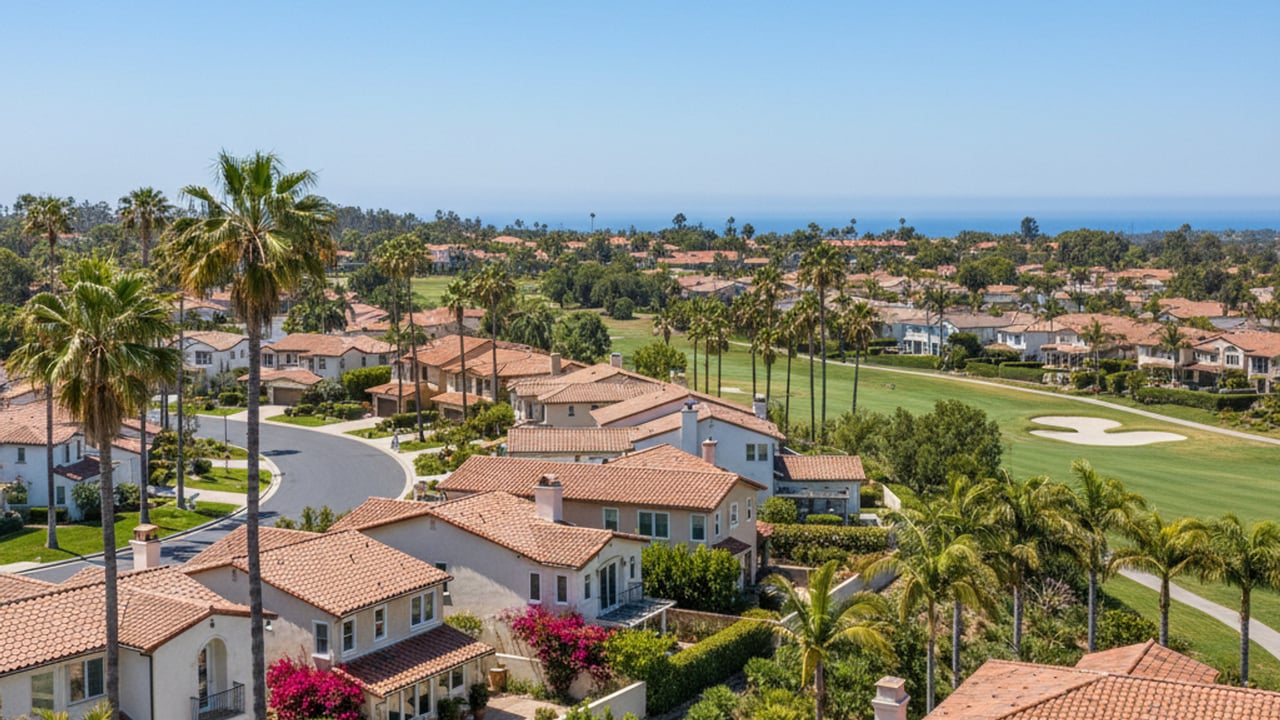
Carlsbad sits along the northern coastline of San Diego County, offering a distinct blend of beach access, corporate hubs, and master-planned housing. Often referred to as the "Village by the Sea," this North County city balances resort-style recreation with a robust local economy driven by biotechnology and action sports companies. Buyers exploring relocation to Southern California frequently target this area for its substantial infrastructure and coastal climate.
Relocating here requires a clear understanding of the financial and logistical realities of the current market. As of early 2026, the local housing landscape remains highly competitive, with inventory moving quickly in premium neighborhoods. Understanding property tax structures, daily commute patterns along Interstate 5, and the specific amenities of different subdivisions is essential for making an informed purchase.
The decision to purchase property in this region often comes down to balancing lifestyle preferences with a high cost of living. Buyers must weigh the benefits of immediate ocean access and top-tier public amenities against premium real estate valuations. Taking a methodical approach to neighborhood selection ensures that new residents find a property that aligns with both their daily routines and long-term financial goals.
The Mediterranean climate is another undeniable draw for buyers entering the market. Residents enjoy mild temperatures year-round, characterized by cooling ocean breezes in the summer and temperate winters. This consistent weather pattern allows for an active lifestyle that seamlessly blends indoor and outdoor living spaces.
The Carlsbad Real Estate Market and Housing Costs
Purchasing property in Carlsbad involves navigating one of the more premium sub-markets in San Diego County. The median home price currently hovers between $1,400,000 and $1,500,000, which sits noticeably higher than the national average. This pricing reflects the high demand for coastal proximity and the limited availability of developable land west of the freeway.
The high cost of living here is directly tied to these real estate valuations, making housing the largest line item for any resident. While utilities and daily goods are comparable to the rest of Orange County and San Diego County, the entry point for homeownership requires significant capital. Buyers should be prepared for multiple-offer scenarios on turnkey properties in highly sought-after zip codes.
Property taxes are another major consideration for any buyer calculating their monthly carrying costs. The base property tax rate in California is 1%, but local voter-approved bonds and assessments typically push the effective tax rate in Carlsbad to between 1.1% and 1.25% of the assessed value. Buyers need to factor this effective rate into their long-term financial planning, especially as property values appreciate.
Additionally, many of the newer planned developments carry Mello-Roos fees, which are special tax assessments used to fund local infrastructure like roads and parks. These fees can add several hundred dollars to a monthly housing payment and do not offer the same tax-deductible benefits as standard mortgage interest. Identifying whether a property falls within a Mello-Roos district is a critical step during the initial property search.
Property Types Across Key Neighborhoods
The housing stock varies significantly depending on the specific zip code and proximity to the coastline. Buyers looking for walkability often focus on Downtown Carlsbad, where luxury properties and ocean-view condominiums command premium prices. It is common to see these coastal units listed at $2,500,000 and above, depending on square footage and unobstructed water views.
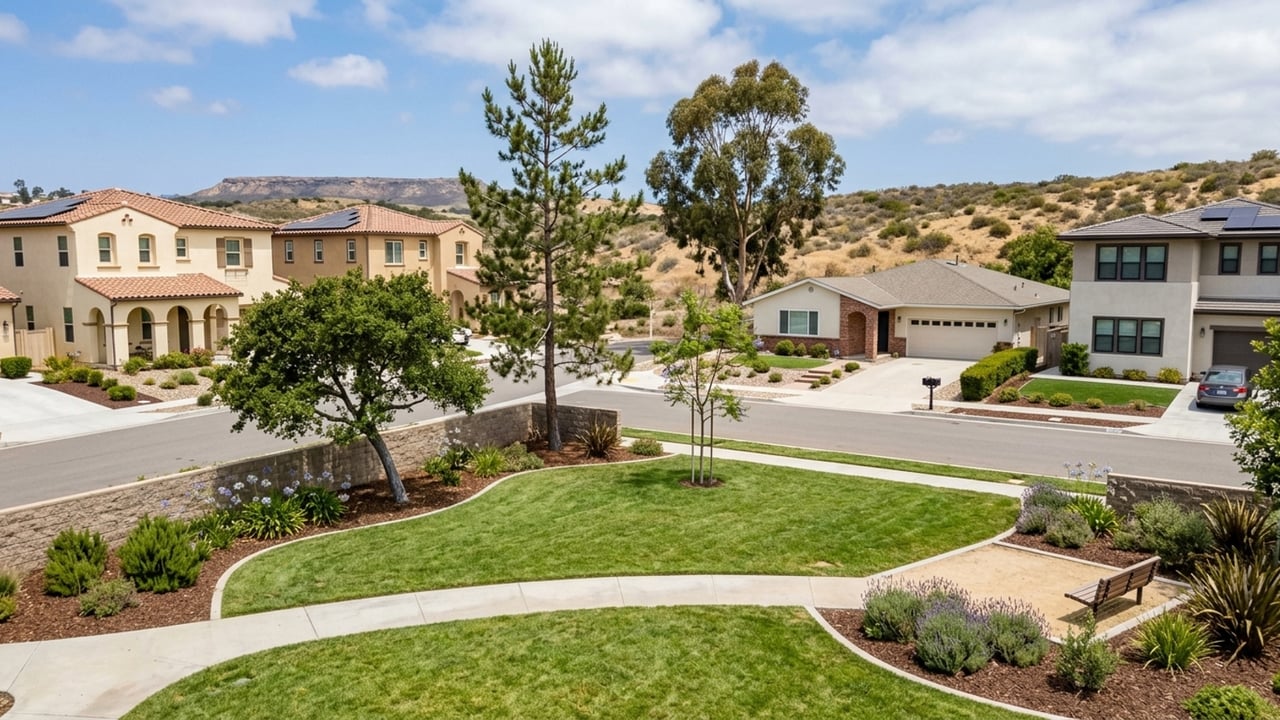
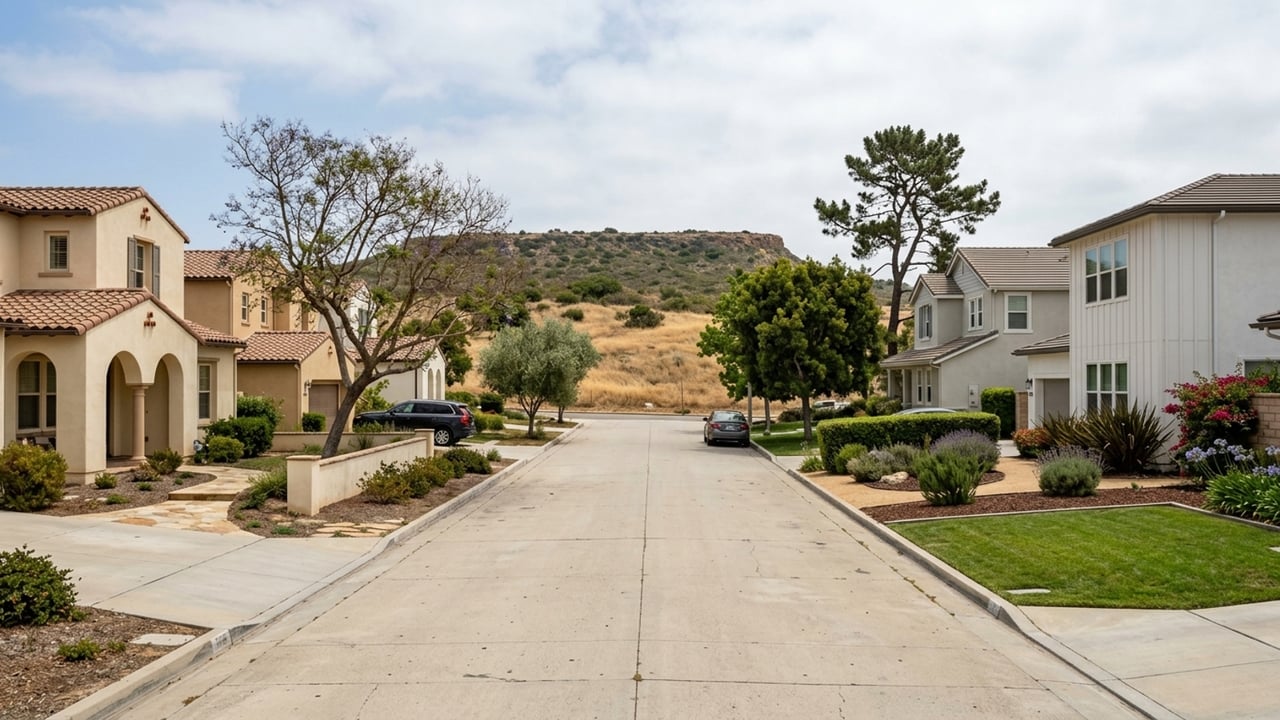
Moving inland, the landscape shifts toward large-scale master-planned communities with dedicated community centers and expansive trail networks. These inland sectors offer different architectural styles and lot configurations compared to the denser coastal strips.
-
Carlsbad Village: Features high-density condominiums, historic single-family homes, and immediate access to local dining and the COASTER station.
-
Bressi Ranch: Offers modern single-family homes typically priced in the $1,900,000 range, featuring highly integrated community infrastructure and walkable retail spaces.
-
La Costa and Aviara: Known for sprawling golf course estates, upscale townhouses, and large lot sizes set against rolling hills.
Evaluating these diverse property types requires a clear understanding of your daily routine and tolerance for homeowner association rules. Master-planned communities like Aviara strictly enforce architectural guidelines to maintain property values and aesthetic uniformity. Conversely, older pockets near the Village offer more flexibility but often require substantial modernization and upkeep.
The Local Economy and Employment Opportunities
Beyond the beaches, a significant factor driving relocation to this area is the robust local economy. The city serves as a major hub for the biotechnology and life sciences sectors within Southern California. Numerous research facilities and medical device manufacturers operate out of the expansive business parks located near the local airport.
The action sports and golf industries also maintain a massive corporate footprint within the city limits. Major international golf brands have established their global headquarters here, providing high-level corporate employment opportunities. This concentration of industry allows many residents to live and work within the same municipality, bypassing the long commute south.
Tourism and hospitality provide another foundational pillar for the local job market. Destinations like the Legoland California Resort and the Omni La Costa Resort draw millions of visitors annually, supporting a vast network of local businesses. A strong local tax base generated by this commercial activity helps fund the meticulous maintenance of public spaces and infrastructure.
Objective Community Amenities and Coastal Recreation
Access to outdoor recreation is a primary driver for real estate demand in this coastal sector. Carlsbad maintains over seven miles of coastline, anchored by Carlsbad State Beach and Tamarack Beach. These stretches of sand provide dedicated spaces for surfing, swimming, and running along the paved seawall that parallels the Pacific Ocean.
Beyond the immediate coastline, the city features three distinct lagoons that offer a different set of water-based activities. Agua Hedionda Lagoon allows for motorized watercraft, paddleboarding, and wakeboarding, making it a unique asset for active residents. Further south, Batiquitos Lagoon serves as a protected ecological reserve, offering miles of flat, scenic walking trails with diverse bird watching.
Inland recreation is heavily supported by the Calavera Nature Preserve, which surrounds an extinct volcano. This area features an extensive network of dirt trails utilized daily by mountain bikers and hikers. Having access to both oceanfront paths and rugged inland terrain gives residents multiple avenues for year-round outdoor engagement.
The city also invests heavily in structured recreational facilities and cultural attractions. Alga Norte Community Park features an aquatic center, skate park, and expansive sports fields that serve as a central hub for local leagues. Additionally, regional attractions like the Museum of Making Music and the Sea Life Aquarium provide educational entertainment options right within the city limits.
Retail and Resort Destinations
Beyond natural spaces, the city features several high-end retail and resort destinations that define the local lifestyle. The Forum Carlsbad serves as a premier open-air shopping center, offering a mix of boutique retailers and national brands. This specific retail hub acts as a central gathering point for residents of the inland neighborhoods.
The hospitality sector also provides residents with access to world-class resort amenities. Properties like the Omni La Costa Resort offer local memberships that grant access to championship golf courses, tennis facilities, and luxury spa services. Having these resort-level amenities integrated directly into residential areas elevates the overall standard of living.
Carlsbad Unified School District (CUSD) Programs
The Carlsbad Unified School District serves a large portion of the city and is a major focal point for buyers evaluating local real estate. The district operates multiple campuses that incorporate specialized academic tracks and advanced technology integration. Evaluating specific school boundaries is a crucial step, as program offerings can vary significantly between the different high schools and middle schools.
At the secondary level, Carlsbad High School and Sage Creek High School operate with distinct educational models. Sage Creek utilizes a trimester system and places a heavy emphasis on its STEM curriculum, preparing students for engineering and biomedical fields. Meanwhile, Carlsbad High School houses CHSTV, a nationally recognized daily broadcasting program, alongside robust AVID college prep courses.
The focus on specialized education extends into the middle and elementary school levels across the district. Valley Middle School and Pacific Rim Elementary School are frequently noted for their dedicated STEAM offerings, which integrate science, technology, engineering, arts, and mathematics into the daily curriculum. Aviara Oaks Middle School also provides comprehensive academic programs that align with the high standards of the surrounding master-planned communities.
Buyers actively seeking these specific academic environments often narrow their home searches to the immediate neighborhoods surrounding these campuses. Proximity to highly rated schools generally insulates property values during broader market fluctuations. Reviewing the latest district zoning maps is highly recommended, as boundary lines can shift based on population density and new housing developments.
Transportation and Commuting to San Diego
Navigating the commute from North County to major employment centers requires an understanding of regional traffic patterns. Interstate 5 serves as the primary arterial route connecting Carlsbad to Downtown San Diego and Orange County. During peak morning and evening travel windows, driving to central San Diego typically takes between 35 and 70 minutes, depending heavily on the specific departure time.
For those looking to avoid highway traffic, the COASTER commuter train offers a highly reliable alternative. Residents can board at either the Carlsbad Village or Carlsbad Poinsettia stations for a direct ride down the coastline. The train journey to the Santa Fe Depot in downtown San Diego generally takes 54 to 60 minutes, providing a predictable transit option with Wi-Fi access.
Air travel is also highly accessible for both regional and international trips. McClellan-Palomar Airport is located directly within Carlsbad, offering commercial flights to select regional hubs and serving private aviation needs. For broader domestic and international flights, San Diego International Airport is roughly an hour drive south, providing comprehensive travel connections.
Navigating Local Routes and Traffic Patterns
While Interstate 5 handles the bulk of regional commuting, mastering the local surface streets is essential for daily errands. El Camino Real runs parallel to the coast, serving as the primary north-to-south artery for interior neighborhoods. Navigating this multi-lane road efficiently is the best way to get around Carlsbad during peak highway congestion.
East-to-west travel relies heavily on Palomar Airport Road, which connects the coastal village directly to the inland business parks. This specific corridor experiences heavy volume during standard commuting hours as professionals travel toward the commercial sector. Understanding these localized traffic patterns helps new residents optimize their daily driving schedules.
Frequently Asked Questions About Living in Carlsbad CA
Is it expensive to live in Carlsbad, CA?
Yes, living in Carlsbad requires a substantial budget, as it is one of the more premium markets in Southern California. With median home prices resting around $1,400,000 to $1,500,000, housing costs are the largest factor driving up the local cost of living. Daily expenses, utilities, and transportation also run higher than the national average due to the coastal location.
How does the cost of living in Carlsbad compare to Oceanside?
Carlsbad generally carries a higher cost of living and higher real estate prices compared to its northern neighbor, Oceanside. While Oceanside offers more entry-level housing options, Carlsbad commands a premium for its master-planned developments like Bressi Ranch and expansive resort amenities. Buyers often find that property taxes and Mello-Roos fees in newer Carlsbad subdivisions further widen the affordability gap between the two cities.
What are the pros and cons of living in Carlsbad, CA?
The primary advantages include immediate access to miles of coastline, robust local school programs, and a strong local economy anchored by biotechnology firms. The main drawbacks are the high barrier to entry in the real estate market and the heavy traffic congestion along Interstate 5 during commute hours. Buyers must weigh the exceptional outdoor lifestyle against the reality of a $1,400,000 median home price.