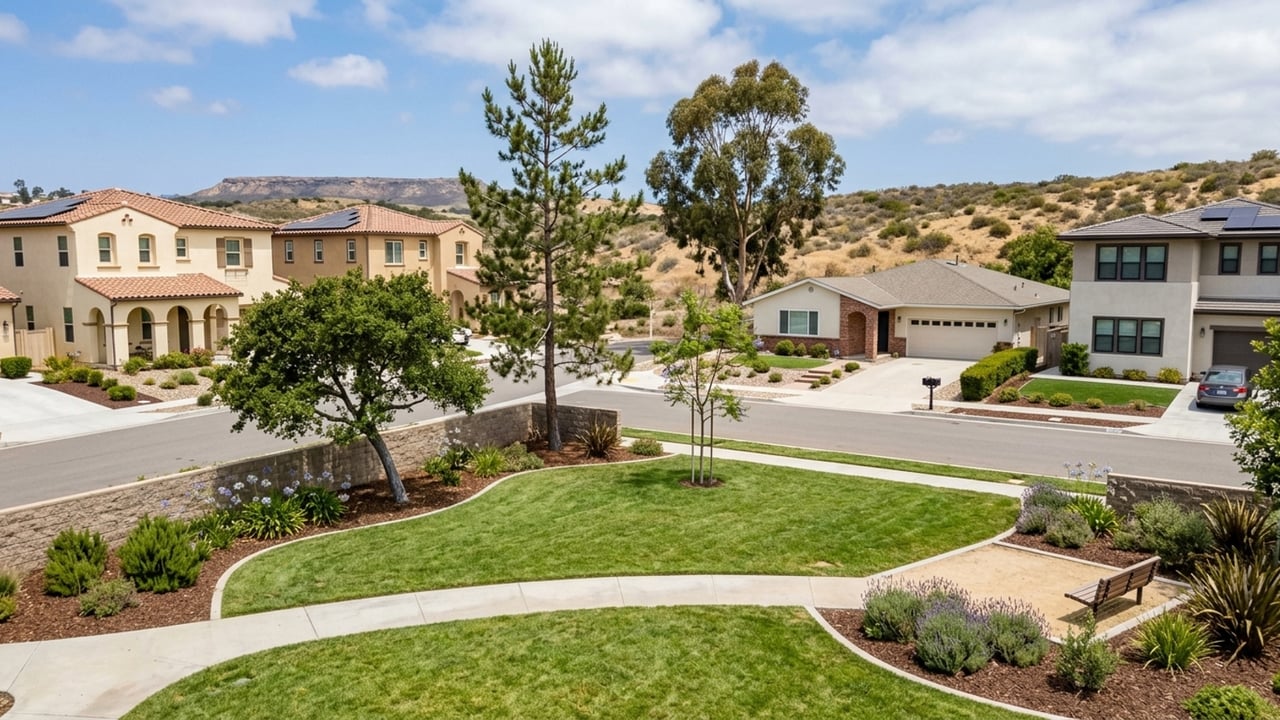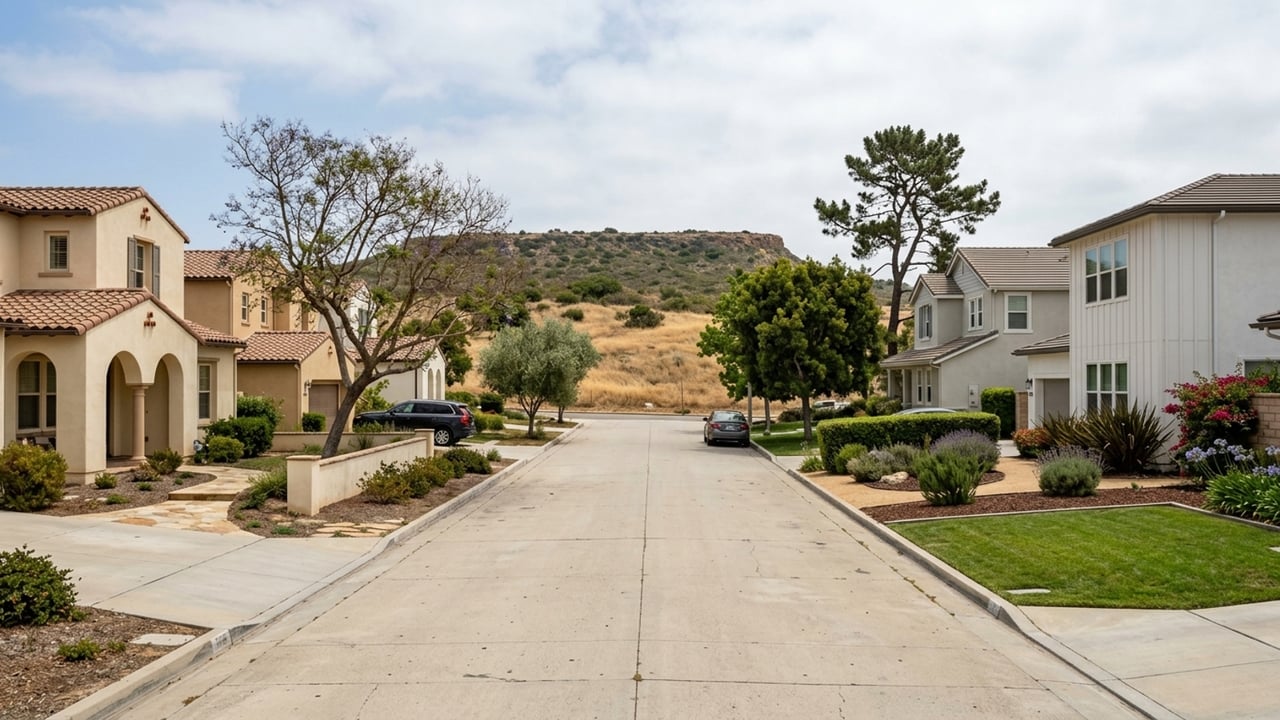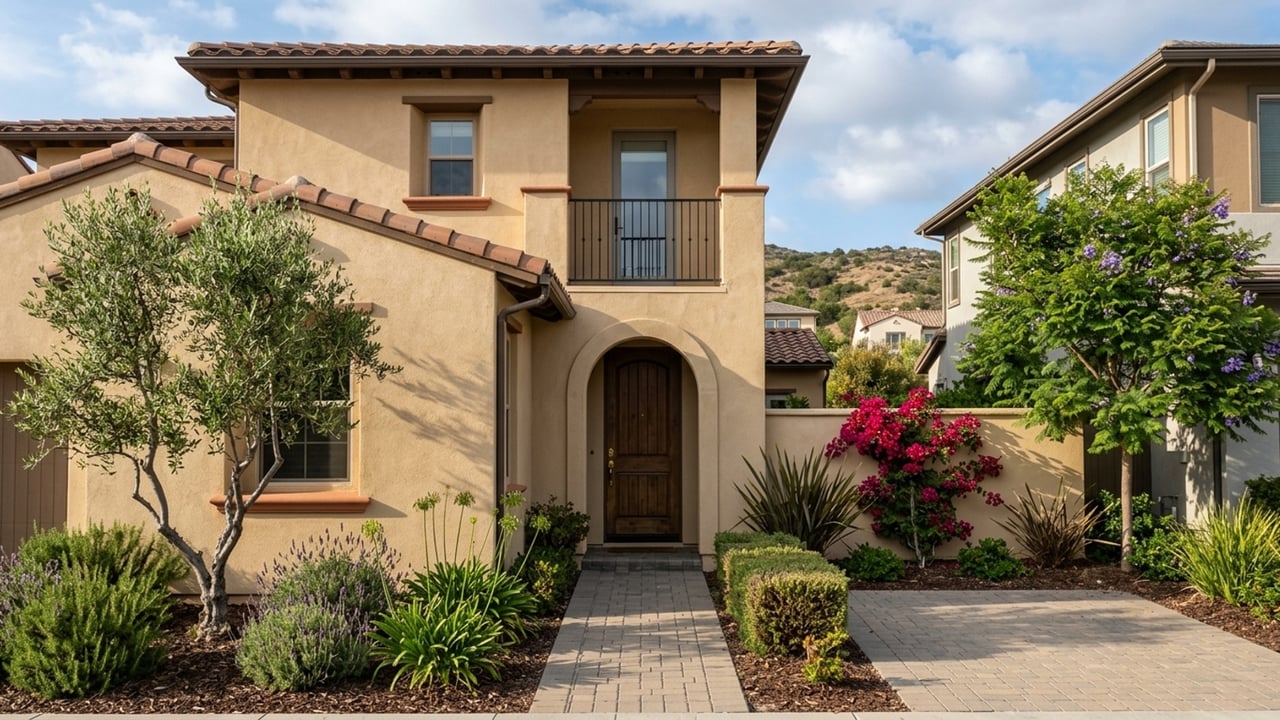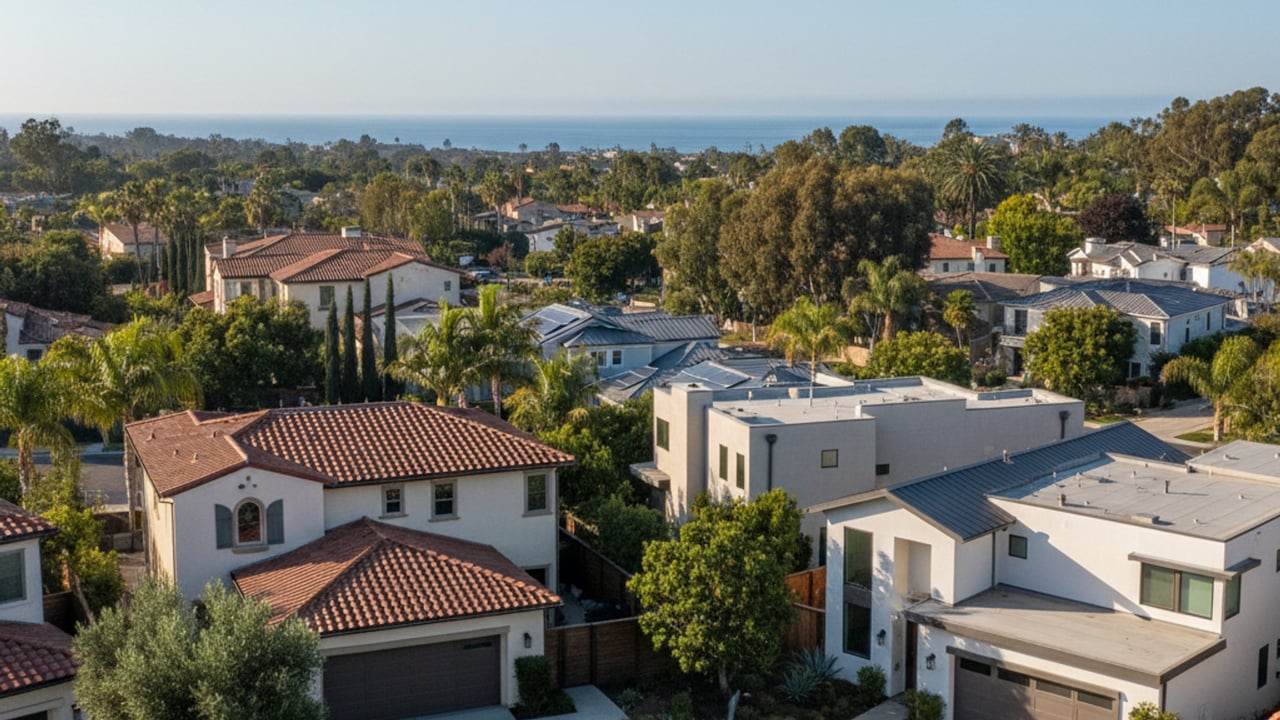
Relocating to the Southern California coastline requires careful financial planning and a clear understanding of local market dynamics. Buyers and renters evaluating the cost of living in Carlsbad CA quickly discover that this coastal city commands a significant premium over inland alternatives. The combination of strict zoning laws, limited land availability, and high demand for beach access keeps property values firmly elevated.
Understanding these expenses is crucial before committing to a move or submitting an offer on a home. Budgeting for this area means looking beyond just the purchase price or monthly rent to account for local tax structures, utility rates, and commuting expenses. This guide breaks down the exact financial expectations for 2026 to help you determine if the local market aligns with your housing budget.
What Is the Overall Cost of Living in Carlsbad, CA?
Living in this coastal city requires a substantial budget driven almost entirely by real estate valuations. As of 2026, the overall cost of living index in Carlsbad sits roughly 50% higher than the national average. This steep departure from the baseline means that incoming residents must be prepared for higher daily carrying costs across the board.
Even within a notoriously expensive state, this specific area commands a noticeable premium. The local cost of living is approximately 19% higher than the California state average. Expect to pay top dollar for the privilege of a Carlsbad address, as buyers are directly paying for immediate coastal proximity and heavily restricted development zones.
Carlsbad Housing Costs: Renting vs. Buying
The largest factor in your relocation budget will undoubtedly be your monthly housing payment. The 2026 median sale price for a single-family home in Carlsbad currently hovers between $1,400,000 and $1,600,000. This establishes a steep entry barrier for buyers hoping to secure a detached property in the city.
Pricing variance across different neighborhoods is massive and heavily dependent on community amenities. Premium master-planned communities like Aviara or Bressi Ranch frequently see home prices exceed $1,900,000. Conversely, older neighborhoods like Olde Carlsbad might offer different architectural styles but still carry premium price tags strictly due to their location near the water.
Prospective tenants face similarly elevated financial requirements in the local rental market. Average apartment rent currently ranges between $2,700 and $3,200 per month depending on square footage and proximity to the ocean. Buyers looking at master-planned communities must also factor in Homeowners Association dues, which typically range from $200 to over $500 monthly and significantly impact your purchasing power.
Property Taxes and Mello-Roos Fees
California law establishes a base property tax rate of 1% of the assessed purchase price for all real estate transactions. However, the effective property tax rate in Carlsbad generally ranges from 1.08% to 1.25% once local voter-approved bonds are factored in. Buyers must calculate their monthly obligations using this localized effective rate rather than the state minimum.
Newer developments in the eastern portions of the city often carry additional Mello-Roos assessments to fund local infrastructure. These fees can add several hundred dollars to your monthly housing bill and directly alter your debt-to-income qualification limits. Always request full tax disclosures before submitting an offer to avoid unexpected payment shocks.
Everyday Expenses: Utilities, Groceries, and Healthcare
Recurring monthly costs for essential services in Southern California require careful budgeting. Residents rely on San Diego Gas & Electric for their power, and the local climate plays a major role in monthly usage. Homes situated close to the coast benefit from ocean breezes that drastically reduce the need for air conditioning during the summer months.
Moving further inland increases your reliance on climate control, which directly impacts your utility budget. Beyond energy consumption, daily necessities like food and medical care also reflect the area's elevated economic baseline. You should anticipate the following approximate monthly expenses when managing your household budget:
-
Energy Bills: Monthly utility statements typically range from $150 to $250 near the coast, while larger inland homes can easily exceed $300 to $500 during peak summer usage.
-
Grocery Costs: Local food prices and supermarket totals track approximately 11% to 15% above the national baseline.
-
Healthcare: Medical services and routine care expenses also sit roughly 11% to 15% higher than the US average, supported by a dense network of premium local medical facilities.
These daily carrying costs add up quickly and must be factored into your baseline income requirements. Buyers stretching their budget to afford a mortgage often overlook these localized utility and grocery premiums.
Transportation Costs and Commuting Options
Navigating San Diego County requires accounting for elevated transportation expenses, which run roughly 18% to 23% higher than the national average. This premium is largely driven by California fuel taxes and the region's heavy reliance on personal vehicles. Professionals commuting to downtown San Diego typically spend significant time navigating traffic along Interstate 5 during peak morning and evening hours.
The Coaster commuter train provides a highly effective and stress-free alternative to highway driving. A monthly transit pass for the Coaster costs between $144 and $182 depending on the specific zones traveled. My strong recommendation is to map your exact commute to the nearest station, as public transit yields substantial savings over downtown parking fees and fuel.
Community Features That Influence Living Costs
Real estate pricing in this region is heavily dictated by objective local amenities and infrastructure. Strict zoning laws and immediate proximity to Carlsbad State Beach drive up coastal property values tremendously. Homes located in the 92008 zip code routinely command premiums of $500,000 or more over their inland equivalents strictly for beach access and ocean views.
The Carlsbad Unified School District serves as another major, objective draw that stabilizes property demand across the city. This infrastructure heavily influences buyer interest, particularly for properties located just east of Interstate 5. Robust retail corridors like Carlsbad Village and well-maintained public parks further enhance the area's overall valuation.
These community benefits do not exist in a vacuum and are directly funded by the higher local tax base and HOA dues. You are paying a premium for a highly maintained civic environment with immediate access to premium coastal recreation. Buyers must decide if these specific geographic and municipal features justify the elevated cost of entry.
FAQs About the Cost of Living in Carlsbad, CA
Is Carlsbad an expensive place to live?
Yes, this coastal city is a highly expensive place to reside. The overall cost of living sits approximately 50% higher than the national average. This steep premium is primarily driven by a highly competitive housing market where median single-family home prices routinely exceed $1,400,000.
What salary do you need to live comfortably in Carlsbad, CA?
You generally need an annual salary of approximately $108,000 to comfortably afford a standard apartment in the city. This calculation uses the standard 30% gross income rule against the current average rental rate of $2,700 per month. Buyers looking to purchase a median-priced home will require a significantly higher household income to qualify for current mortgage rates.
Can I live in California on $3,000 a month?
Living on a gross income of $3,000 a month is extremely difficult in most coastal California cities. With average Carlsbad apartment rents ranging from $2,700 to $3,200 per month, a $3,000 budget is generally insufficient to cover basic housing. Residents on a fixed income of this size typically need to explore inland regions or secure shared housing arrangements.