Wondering whether a condo or townhome is the right way to buy into Encinitas? You are not alone. For many buyers, attached-home living offers a more manageable path into this coastal market, but the details matter more than the label. If you are weighing lifestyle, HOA rules, parking, outdoor space, and location, this guide will help you sort through the trade-offs with more confidence. Let’s dive in.
Why attached homes work in Encinitas
In Encinitas, many buyers looking at condos and townhomes are actually buying into a common-interest development, often called a CID. In California, that can include condo flats, townhouse-style homes, and larger planned communities. A condominium is a legal form of ownership, not just a building style.
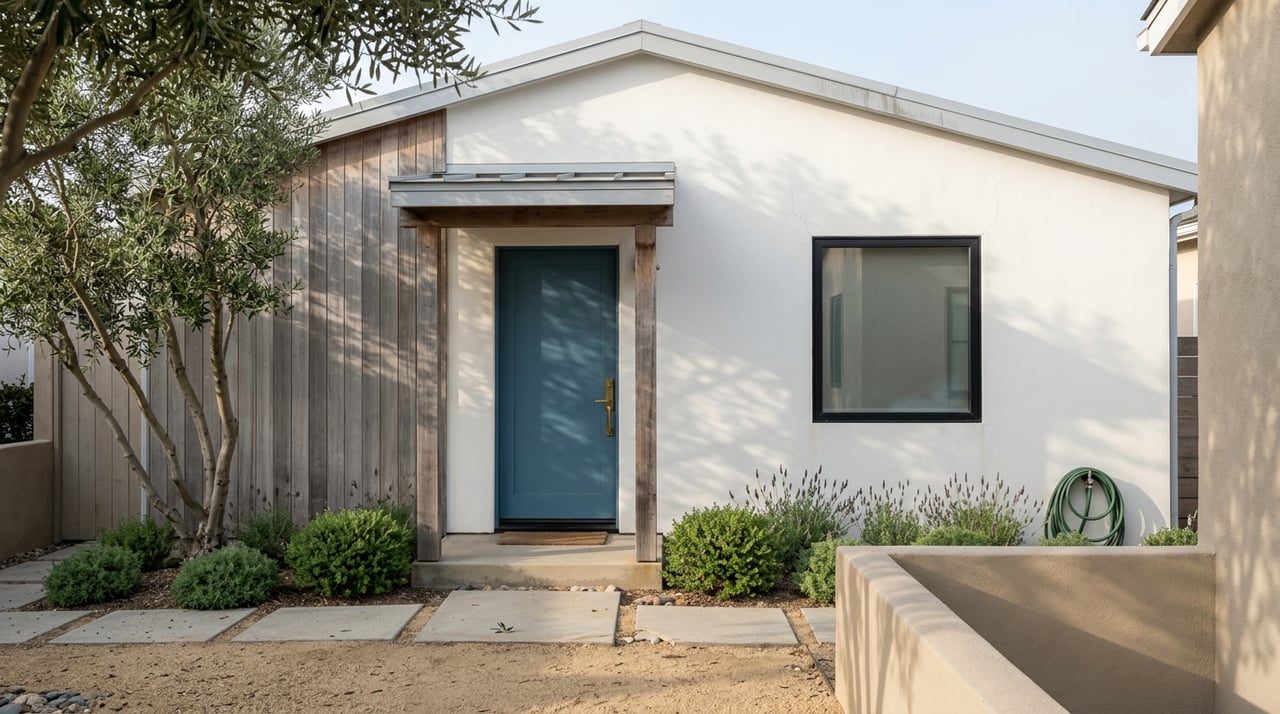
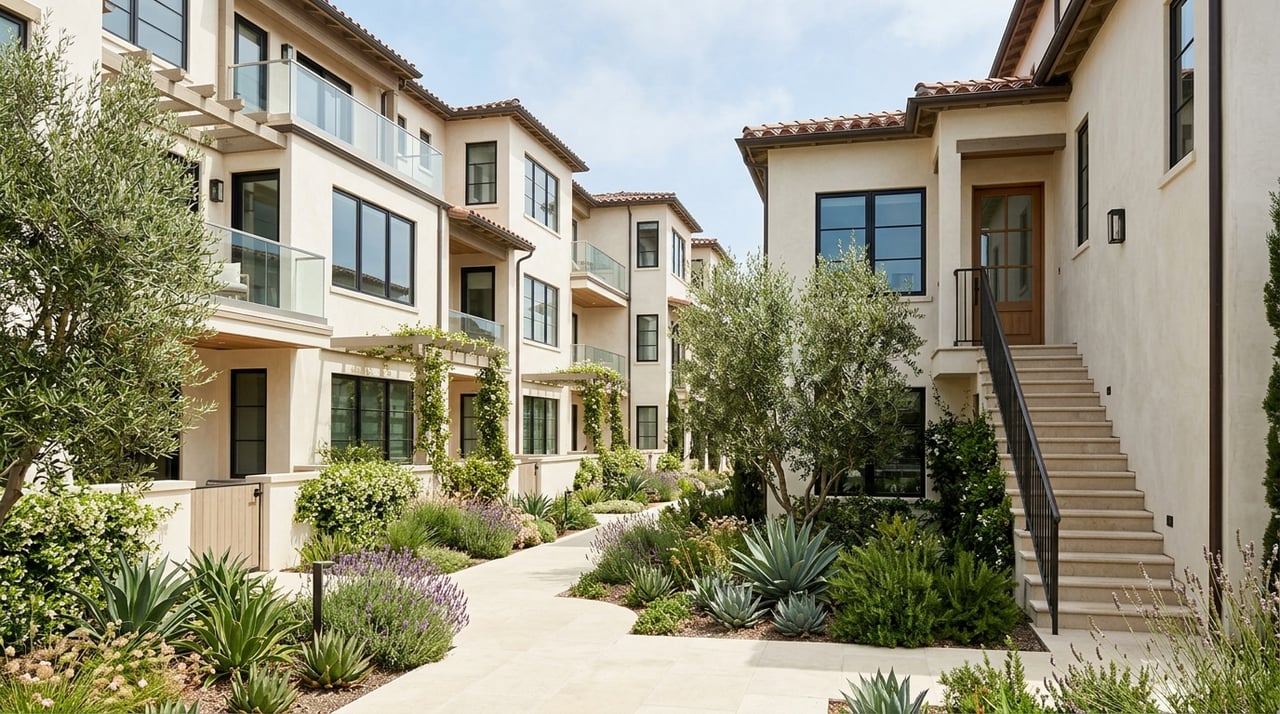
That distinction matters in Encinitas because the city’s coastal layout, mixed-use areas, and low-rise design guidance often support a more compact, walkable, indoor-outdoor lifestyle. Instead of a large private yard, you may find a patio, balcony, courtyard, or small private outdoor area that fits the neighborhood pattern better.
Condo vs townhome in Encinitas
A condo and a townhome can feel very different in daily life, even when both are part of a CID. The key is not just how the home looks from the outside. You also need to understand what you own, what the HOA controls, and what outdoor or parking areas are exclusive to your unit.
Some attached homes come with features that feel more like a detached home, such as a direct-entry garage or fenced patio. Others prioritize walkability and location over extra storage or private space. In Encinitas, that trade-off often shows up clearly.
Ownership and common areas
In a CID, the project documents define common area, exclusive-use common area, and owner responsibilities. Exclusive-use common area can include items like patios, driveways, or parking spaces, but what is actually assigned to you depends on the specific community documents.
That means two similar-looking homes can come with very different rights. One may include a private-use patio and two-car garage, while another may rely on shared parking and limited storage. Before you commit, it is worth confirming exactly what comes with the unit.
Lifestyle and maintenance
Attached-home living often appeals to buyers who want less exterior upkeep and a more lock-and-leave setup. That can be a strong fit if you care more about location, commute access, walkability, or budget control than maintaining a detached yard.
This style of ownership can also work well for first-time buyers, downsizers, and relocating professionals. The best fit depends on how you want to live day to day, not just what category the home falls into.
What to review in the HOA
When you buy in a CID, you automatically become a member of the homeowners association. That makes HOA due diligence one of the most important parts of the process.
The CC&Rs are the main governing document. They explain assessment obligations, rule enforcement, and how the common areas are defined. Bylaws cover board structure and voting procedures.
HOA dues are also about more than shared amenities. Regular assessments can cover daily operations and long-term reserves, while special assessments may be used for major repairs or unexpected costs. A well-run association should be able to show a workable budget, reserve funds, and appropriate insurance coverage.
HOA documents to read carefully
Before you move forward, ask to review:
- CC&Rs
- Bylaws
- Budget summary
- Reserve study
- Insurance documents
- Recent board meeting minutes
- Architectural guidelines
- Rental rules
These documents can reveal whether the community is financially stable and whether its rules align with how you plan to use the home.
Questions that can save you trouble
A few practical questions can make a big difference:
- What does the HOA fee actually cover?
- Has the community had any recent special assessments?
- How healthy is the reserve account?
- Are pets, rentals, gates, or exterior changes restricted?
- Is any storage deeded, exclusive use, or shared common area?
If you want flexibility later, these answers matter just as much as the kitchen finishes or floor plan.
Parking and storage matter more here
In coastal Encinitas, parking is not a small detail. The city has studied parking demand in Cardiff, Downtown Encinitas, and Leucadia to address business demand, general neighborhood needs, and coastal access. For buyers, that makes assigned parking, guest spaces, and garage function especially important to verify.
Do not assume that a one-car garage will fit your vehicle and beach gear comfortably. Also do not assume guest parking will be easy just because the listing mentions it. In some communities, the difference between convenient living and daily frustration comes down to parking logistics.
What to check before you buy
Look closely at:
- Number of assigned parking spaces
- Garage size and usability
- Guest parking availability
- Bike and surfboard storage options
- Whether parking is deeded or exclusive use
In a beach-oriented city like Encinitas, practical storage for everyday gear can have a real impact on how the home lives.
Outdoor space is often smaller but intentional
Many attached homes in Encinitas are designed around smaller outdoor areas rather than big backyards. The city’s design guidance emphasizes a progression from public to semi-public to private spaces, along with a balance between indoor and outdoor activity.
That often translates into decks, stoops, patios, balconies, and courtyards. If you want room for gardening, pets, entertaining, or simply more privacy, the exact size and use of that space matters more than whether the listing says condo or townhome.
Coastal review can affect exterior changes
Because most of Encinitas is within the Coastal Zone, exterior modifications in coastal locations can require additional city review. If you are already thinking about changing a fence, expanding a deck, or altering another exterior feature, check both HOA approval requirements and city permitting rules.
This is one of those details that is easy to overlook early on. It can become a major issue later if your plans depend on changes the community or the city may limit.
How Encinitas areas change the experience
Not every attached-home purchase in Encinitas feels the same. The location can shape walkability, privacy, parking, views, and the overall rhythm of daily life.
Old Encinitas
Old Encinitas is the city’s historic core and downtown area, centered around Highway 101. It has a traditional street grid, modest scale, buildings close to the sidewalk, and many storefronts and sidewalk cafes.
For buyers, that often means a more urban and walkable feel. The trade-off is usually less private outdoor space and tighter parking, especially when compared with more suburban parts of the city.
Cardiff
Cardiff is in the southwest part of Encinitas and has a village-like feel. The city describes a mix of uses near its center, smaller building modules, plazas, open space, and notable ocean views from some locations.
If you are drawn to views and a small-town coastal atmosphere, Cardiff may stand out. In many cases, the appeal is more about setting and character than large private lots.
Leucadia
Leucadia runs north of downtown along the Highway 101 corridor. It is known for eclectic architecture, outdoor cafe seating, and a beachside culture, with many properties along Highway 101 within walking distance of Beacon’s Beach.
For attached-home buyers, Leucadia often feels like a lifestyle corridor. East of Highway 101, the neighborhood pattern becomes more lower-scale residential, which can shift the experience depending on exactly where you buy.
New Encinitas
New Encinitas sits east of downtown and tends to feel the most suburban of the four main areas discussed here. The city describes suburban tract patterns, winding streets, cul-de-sacs, and commercial nodes along roads like El Camino Real and Encinitas Boulevard.
For some buyers, that setting can offer a different balance of convenience and daily rhythm. If you want attached-home living with a more suburban feel, this area may be worth a closer look.
Who a condo or townhome suits best
Condo and townhome ownership can be a smart fit if you want lower-maintenance living and are comfortable with shared rules and shared financial structures. It can also make sense if you want to prioritize location and lifestyle over a detached yard.
You may find this option especially appealing if you are a first-time buyer looking for an entry point, a downsizer who wants convenience, or a relocating buyer who cares about commute routes, parking, and neighborhood feel. The right match comes down to your priorities.
A smart way to narrow your options
As you compare homes, try to think beyond price and square footage. Focus on the pieces that will shape daily life the most.
A simple comparison checklist can help:
- What do you legally own?
- What does the HOA control?
- How stable does the association appear financially?
- How much parking and storage do you really get?
- How usable is the outdoor space?
- Are there rental or exterior modification restrictions?
- Does the surrounding area match your lifestyle goals?
When you answer those questions early, it becomes much easier to spot the right fit and avoid surprises in escrow.
Buying a condo or townhome in Encinitas can be a great move when the community, location, and ownership structure line up with your goals. If you want a clear, local perspective as you compare neighborhoods, HOA details, and day-to-day trade-offs, Amy Green can help you navigate the process with calm guidance and practical insight.
FAQs
What is a common-interest development in Encinitas?
- A common-interest development, or CID, is a shared-interest community where owners are members of an HOA, and it can include condo flats, townhouse-style homes, and larger planned communities.
What HOA documents should condo or townhome buyers review in Encinitas?
- Buyers should review the CC&Rs, bylaws, budget summary, reserve study, insurance documents, recent board minutes, and any architectural or rental rules.
What should buyers know about parking in Encinitas condo and townhome communities?
- Buyers should verify assigned spaces, guest parking, garage size, and storage because parking demand is an important issue in coastal areas like Cardiff, Downtown Encinitas, and Leucadia.
Can outdoor areas in an Encinitas townhome or condo be private?
- Yes, some outdoor spaces such as patios, driveways, and parking areas may be exclusive-use common area, but the exact rights depend on the project documents.
Do exterior changes to Encinitas condos and townhomes need approval?
- In many cases, yes. Exterior changes may require HOA approval, and in coastal locations they may also require city review because much of Encinitas is within the Coastal Zone.
Are short-term rentals allowed in Encinitas condo and townhome communities?
- That depends on both the HOA rules and city regulations, so buyers should verify both before purchasing if rental flexibility is important.