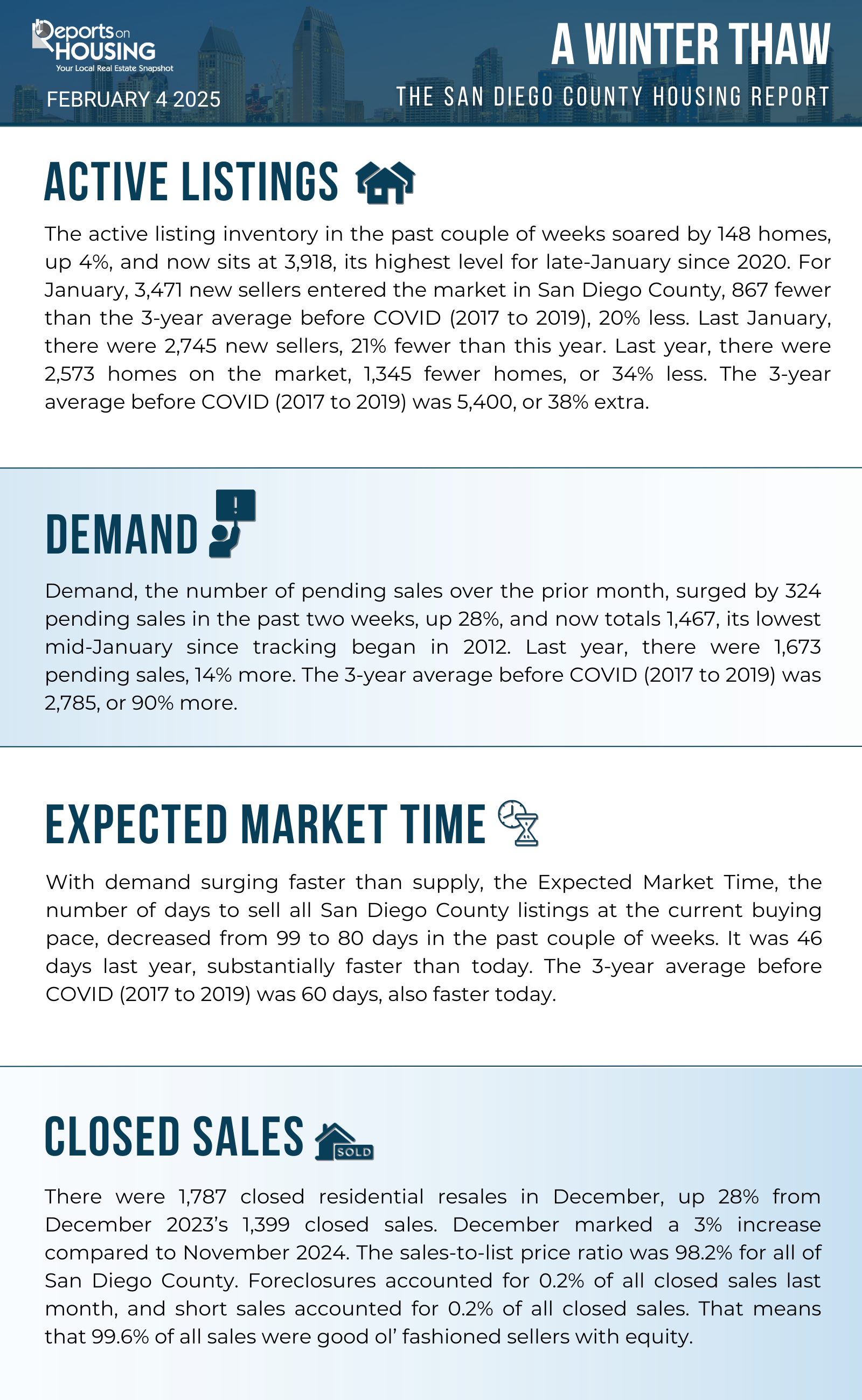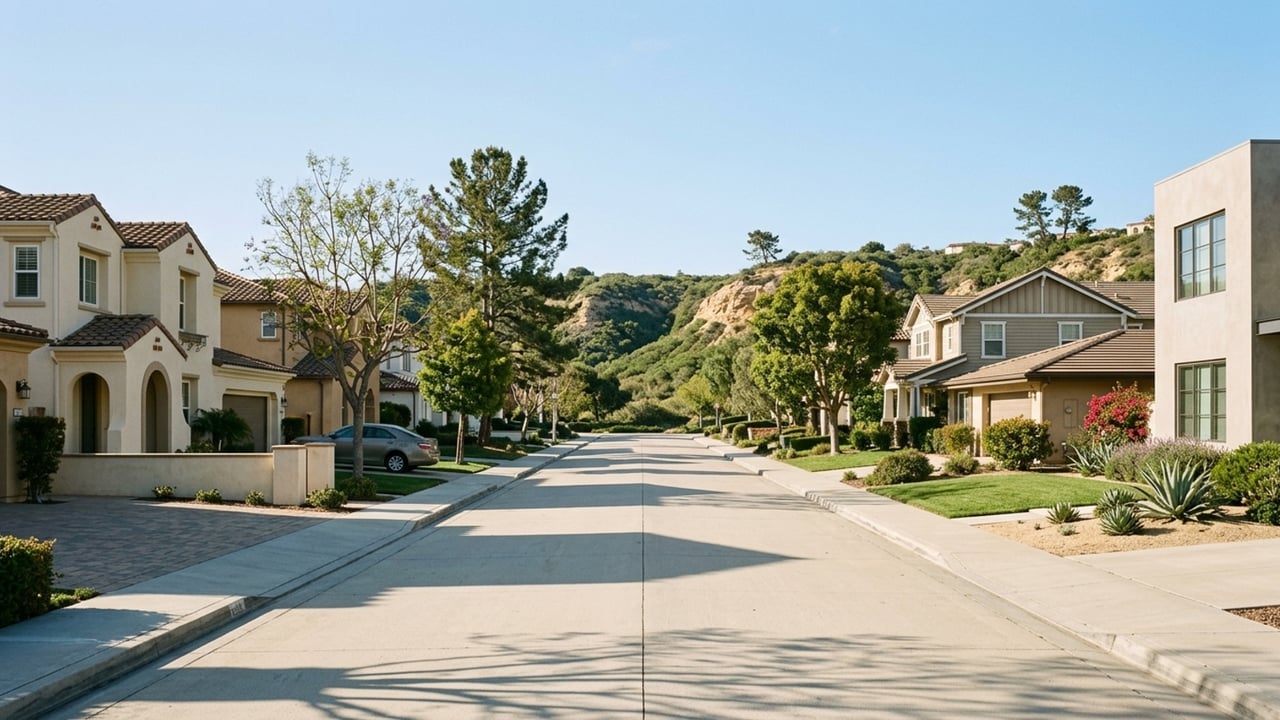
Carmel Valley is one of San Diego's most recognizable master-planned communities - and if you have spent time weighing the pros and cons of living in Carmel Valley, you know the market doesn't wait around. The median home sale price sits at around $1,894,000, and properties are spending roughly 22 days on market before they're gone.
But underneath the upscale restaurants and the relentless pace of the housing market, there's a story that goes back a lot further than any of the modern development suggests. Ancient indigenous settlements, early dairy farms, a name with biblical roots - the history of Carmel Valley, CA runs deeper than the neighborhood's polished exterior lets on.
A Quick Look at Carmel Valley's Origins
The City of San Diego officially formed the community on February 1, 1975. At that point, planners called it North City West - purely a geographic designation, functional and forgettable. Construction on the first homes didn't begin until 1983.
By the early 1990s, residents had pushed successfully to bring back the historical Carmel Valley name, which helped establish a real identity separate from the broader San Diego sprawl. That identity has held. Today, with about 64 active listings and a housing supply of just 1.8 months, it's clear buyers have made up their minds about this place.
City, Town, or Neighborhood?
Carmel Valley is a neighborhood within the city of San Diego - not its own incorporated municipality. Municipal services, zoning, local governance - all of that runs through San Diego.
That said, because the area was master-planned from scratch, it has a self-contained feel that can make it seem more like a standalone suburb. Distinct residential tracts, commercial centers, schools designed to work together - the whole layout was intentional. It functions as a cohesive unit in a way that most neighborhoods, which just sort of accumulate over time, don't.
Location and County Lines
Carmel Valley sits entirely within San Diego County, occupying the northwestern corner of the city of San Diego. Interstate 5 runs along its western edge, and State Route 56 cuts directly through the middle.
For commuters heading to downtown San Diego or coastal job centers, the highway access is genuinely useful. It's one of the reasons housing demand here stays as strong as it does - over 36% of homes have been selling above list price, with 108 properties changing hands recently.
County Boundaries
There's no county line to worry about here. Carmel Valley stays strictly within San Diego County, which means property taxes, permits, and local ordinances all run through San Diego city and county authorities. Straightforward, no surprises.
How the Area Got Its Name
The name traces back to a biblical reference - "Mount Carmel." Around 1905, the Carmelite Sisters of Mercy established a dairy farm and monastery in lower McGonigle Canyon and applied the name Mount Carmel to a nearby hill overlooking the property.
The name stayed attached to the land through every change of ownership that followed. In the 1940s, a man named Robert Stevens bought the dairy farm and renamed it Mount Carmel Ranch, which permanently tied the word Carmel to the surrounding valley. From that point on, no matter what planners decided to call it on a map, the landscape already had a name.
From North City West Back to Carmel Valley
When developers master-planned the area in the 1970s, they went with North City West - accurate, perhaps, but not exactly a name anyone was going to feel attached to. Residents didn't. By the early 1990s, locals petitioned successfully to restore the historical Carmel Valley name, and that was that.
From Early Settlement to Suburban Development
Human history here goes back roughly 7,000 years. The earliest known inhabitants were the Kumeyaay (Ipai) peoples, who lived in a village called Ahwel-Awa near the San Dieguito River - long before European contact, long before any of what you see today.
After Mexican independence, the land became part of a rancho distribution known as Cordero. American settlers started arriving in larger numbers after the California Gold Rush in the late 1800s, and the landscape shifted into quiet agricultural use, with dairy farming carrying through the early 20th century.
The Modern Shift
The agricultural era wrapped up when the City of San Diego set its sights on the region for suburban expansion. Planners officially formed the community in 1975, laying out a structured framework of homes, parks, and retail centers. Construction crews broke ground on the first residential tracts in 1983.
The 1990s and 2000s brought rapid growth as buyers moved toward the new homes and modern amenities. The master-planned vision the city drew up decades earlier is, at this point, fully realized.
What the Area is Known For Today
The valley's story arcs from ancient Kumeyaay land to Carmelite dairy farms to one of San Diego's most active real estate markets. Sellers have been seeing homes go under contract in a median of 22 days - that's not an accident, that's consistent demand.
The culinary reputation has built up alongside the housing market. There's no single signature dish to point to, but the dining environment skews upscale: Italian restaurants, premium sushi spots, regular farmers markets. It's a neighborhood that takes food seriously without making a big deal about it.
Notable Residents and Local Favorites
The community draws professionals and high-profile residents. Usha Vance, wife of Vice President JD Vance, grew up here and attended Torrey Pines High School. The local schools remain a significant draw for buyers settling into the area.
On the lighter side, dessert spots like Sidecar Doughnuts and Salt & Straw pull steady crowds on evenings and weekends. Small detail, but it says something about how far this place has come from a quiet agricultural valley.
Frequently Asked Questions
What is Carmel Valley, CA known for?
Carmel Valley is known for its upscale dining scene, master-planned suburban layout, and rich history spanning from ancient Kumeyaay settlements to early-1900s dairy farms. Today, it features popular dessert spots like Salt & Straw and a fast-paced housing market.
What county is Carmel Valley, CA in?
The community is located entirely within San Diego County, California. It does not cross into any other neighboring counties.
How did Carmel Valley, San Diego get its name?
The name comes from a biblical reference to "Mount Carmel." The Carmelite Sisters of Mercy gave this name to a hill near their dairy farm in the early 1900s, and a later owner officially named the area Mount Carmel Ranch.
When was Carmel Valley, CA founded?
The City of San Diego officially formed the community on February 1, 1975. However, the first residential construction did not begin until 1983.
Is Carmel Valley, CA a city, town, or neighborhood?
It is a master-planned neighborhood located within the city limits of San Diego. It is not an independently incorporated city or town.