A lot of buyers researching the pros and cons of living in Carmel Valley hit a wall early in their California search because of these two names. They see listings for Carmel Valley and Carmel-by-the-Sea, assume the two are neighbors, and start comparing them as if choosing between two blocks in the same town.
They're not even close to each other. Carmel-by-the-Sea is a historic coastal village on the Monterey Peninsula. Carmel Valley is a modern, master-planned suburban community in San Diego County. Hundreds of miles separate them.
Choosing between the two comes down to which California you want to live in. One gives you historic cottages and walkable streets on the Central Coast. The other gives you large tract homes, massive retail centers, and Southern California sunshine.
Real Estate Prices and Housing Styles
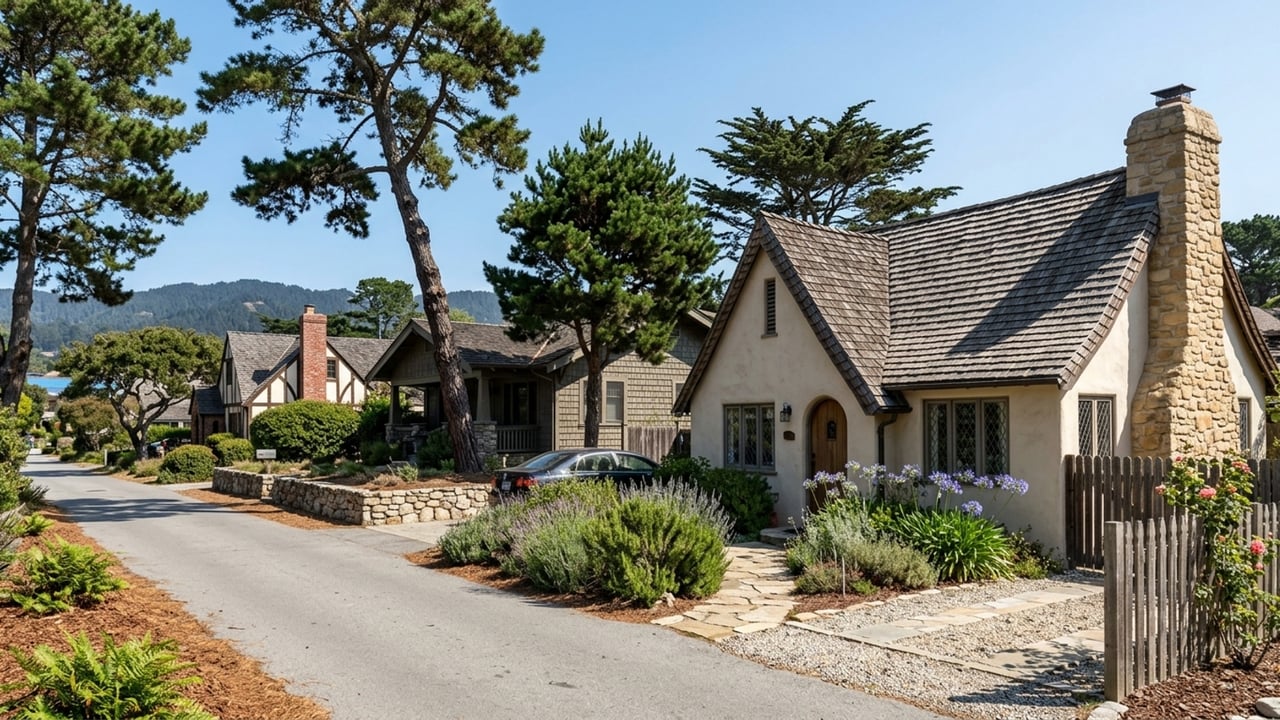
Homes in Carmel-by-the-Sea carry the weight of the area's history as an artists' colony. You're looking at historic cottages on compact lots, clustered near the Pacific Ocean - not much land, but a lot of character.
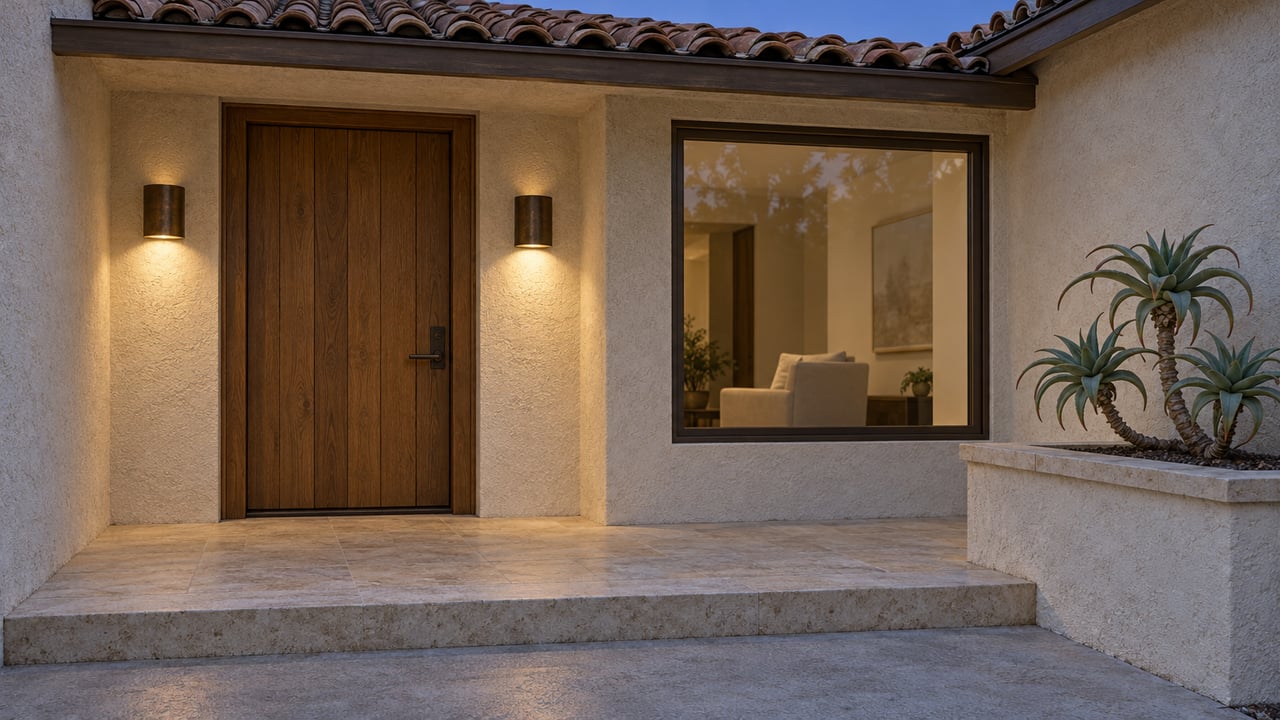
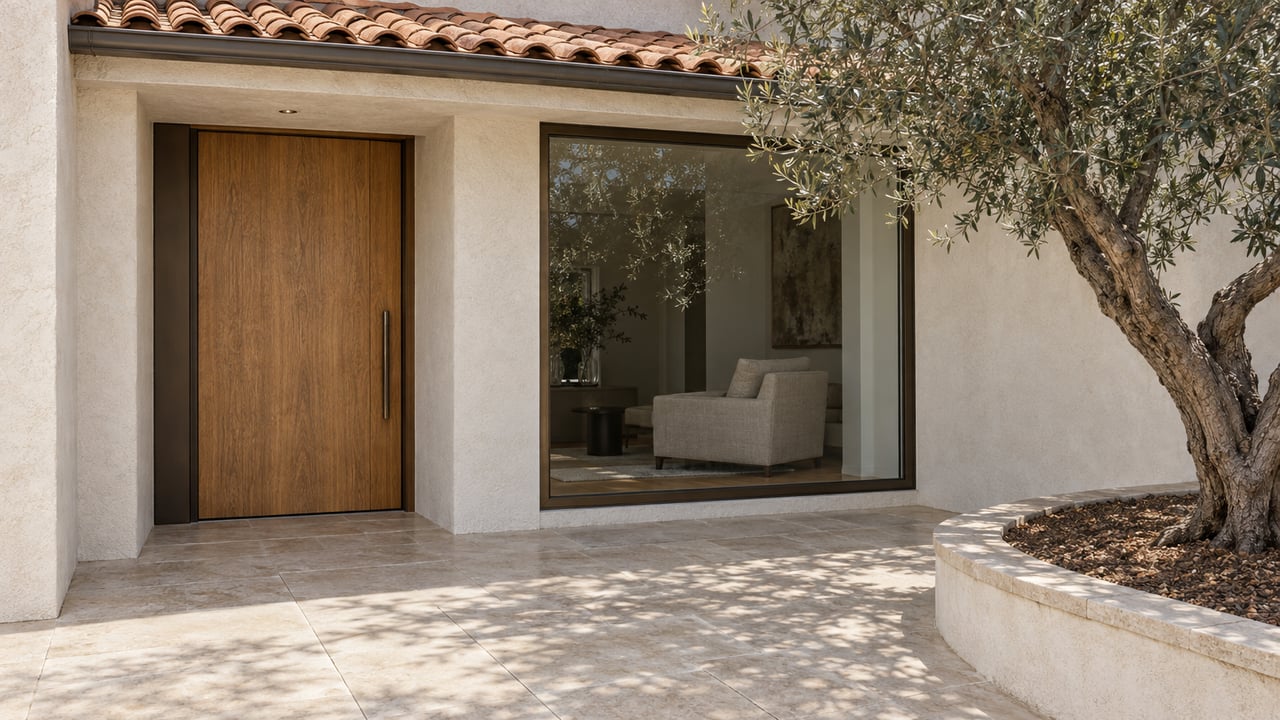
Carmel Valley is essentially the opposite. The development model is late-20th century all the way: modern tract homes, luxury estates, and master-planned neighborhoods laid out around wide suburban streets.
Buying in Carmel-by-the-Sea
Low sales volume and limited space keep prices high on the Monterey Peninsula. Recent data puts the median sale price in Carmel-by-the-Sea between $3.2 million and $3.35 million. Zillow estimates the broader average home value somewhat lower, at roughly $2.28 million. What you're paying for is proximity to the water - square footage and lot size are generally what you give up.
Buying in San Diego's Carmel Valley
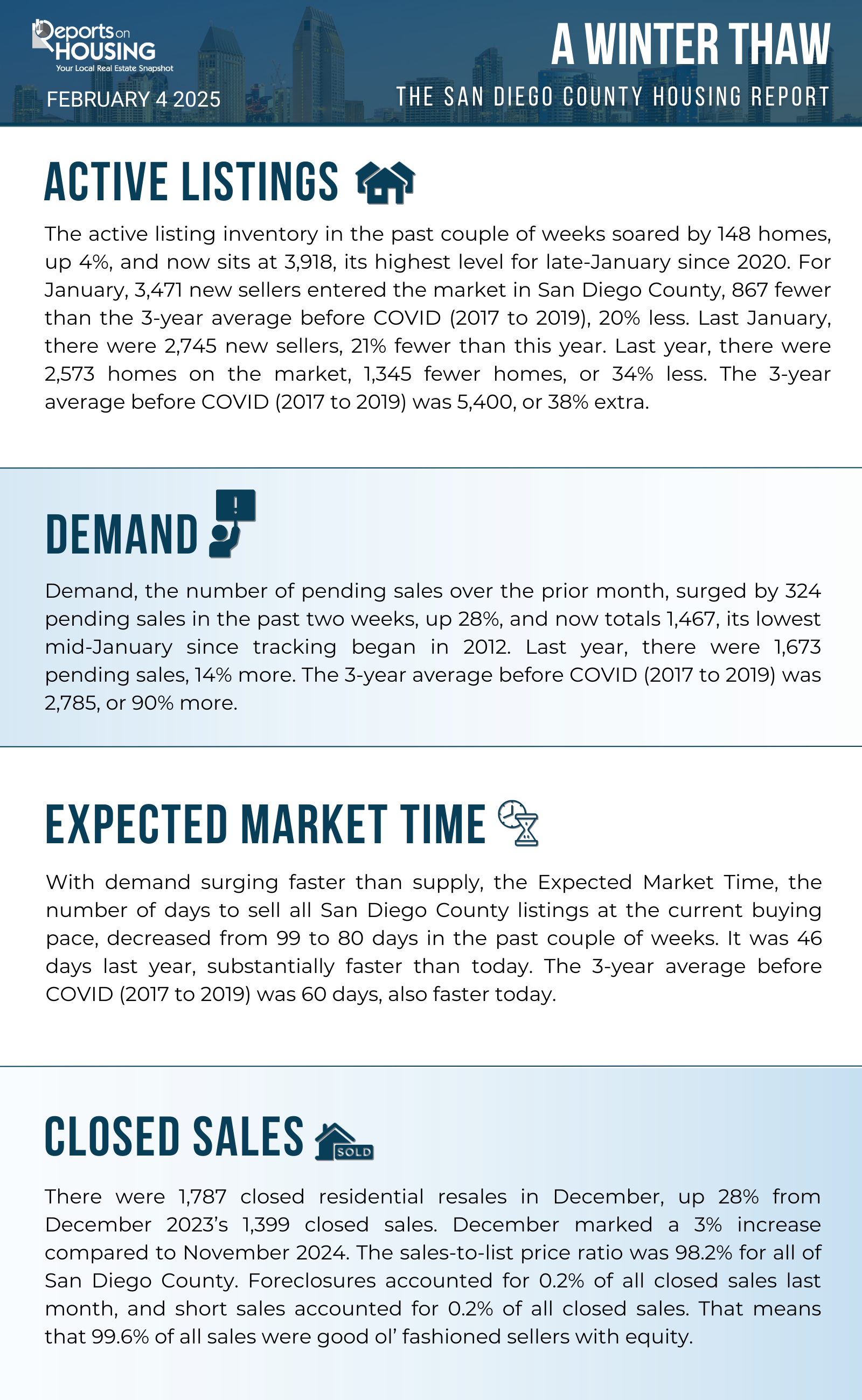
The San Diego suburb gets you more house for the money, though "affordable" isn't the right word for it. The median sale price recently sat at roughly $1,894,000, with homes spending an average of 22 days on the market. Inventory is tight - about 64 homes available and a 1.8-month supply. Homes are currently selling for slightly over asking on average, so you should go in expecting competition.
Climate Differences and Geography
The weather gap between these two places is just as wide as the geographic one. Carmel-by-the-Sea runs on the classic Central Coast marine layer - coastal fog, cooler temperatures, gray mornings that don't always burn off. Carmel Valley is Southern California, where the sun takes care of that cloud cover much faster and the summers run noticeably warmer.
Monterey County's Coastal Fog
Carmel-by-the-Sea's summers are famously mild. Daily highs in July and August average around 64 degrees. The persistent marine layer keeps things cool enough that few homes need air conditioning - which sounds nice until you've had three misty weeks in a row. Buyers coming from warmer climates often need a real adjustment period.
San Diego's Sunny Suburbs
Carmel Valley residents see average summer highs around 70 to 71 degrees - a difference of roughly 6 to 8 degrees compared to the Monterey coast. The community sits slightly inland, about three to four miles from the beach, which means you get the Southern California sunshine without the heaviest coastal fog.
Daily Life and Local Amenities
Carmel-by-the-Sea has a densely packed downtown that's genuinely built for pedestrians. Shops, art galleries, and the beach are all walkable from most addresses in the village. You don't need a car for daily life in the same way you do elsewhere in California.
Carmel Valley is the reverse: a car-centric layout built around major retail hubs. You'll drive for errands, but the commercial centers are well-stocked and easy to access with plenty of parking.
Historic Village Walkability
Small-town commerce is the reality in Carmel-by-the-Sea. There are no big-box stores or chain restaurants in the village center - it's independent boutiques and local dining, with a grid layout that encourages walking and biking. Most residents treat the downtown as an extension of their own block.
Master-Planned Convenience
Carmel Valley has large, modern shopping destinations - One Paseo and the Del Mar Highlands Town Center are the main draws, offering high-end grocery stores, fitness studios, and dining all in one place. The ocean isn't far, but it's not walkable. Depending on traffic and your route, driving to the nearest beach in neighboring Del Mar can take up to a half hour.
Property Rules and Infrastructure
Owning in these two areas means dealing with very different kinds of local administration. Carmel Valley neighborhoods frequently use homeowner associations to maintain common areas and enforce aesthetic standards, and many buyers here also pay Mello-Roos fees - special tax assessments that fund local infrastructure. It's standard for a master-planned community; just make sure you know what you're signing up for before you fall in love with a specific house.
Carmel-by-the-Sea operates on a completely different set of rules. The village famously has no street numbers, which means residents pick up their mail at the local post office or use descriptive names for their homes instead of a numerical address. It's a century-old civic quirk, not an inconvenience they're planning to fix.
These differences matter more than buyers expect. Factor them into your search early.
Frequently Asked Questions
What is the main difference between living in Carmel Valley and Carmel-by-the-Sea?
Geography and lifestyle. Carmel Valley is a modern, master-planned suburb in San Diego County with tract homes and large retail centers like One Paseo. Carmel-by-the-Sea is a historic, walkable coastal village in Monterey County known for its cottages and lack of street numbers.
Are homes more expensive in Carmel-by-the-Sea or Carmel Valley?
Carmel-by-the-Sea runs higher. Recent data shows a median sale price between $3.2 million and $3.35 million in the Monterey village. In San Diego's Carmel Valley, the median sale price recently sat around $1.89 million.
How does the weather differ between Carmel-by-the-Sea and Carmel Valley?
Carmel Valley is warmer and sunnier, with average summer highs around 70 to 71 degrees. Carmel-by-the-Sea sits under a persistent coastal marine layer, keeping average summer highs down to roughly 64 degrees.
How far apart is San Diego's Carmel Valley from the coastal town of Carmel-by-the-Sea?
These are completely different regions separated by hundreds of miles. Carmel-by-the-Sea is on the Central Coast in Monterey County. Carmel Valley is far to the south in San Diego County.
Do homes in San Diego's Carmel Valley have higher HOA and Mello-Roos fees than properties in Carmel-by-the-Sea?
Yes. Carmel Valley is a master-planned suburban development where homeowner associations and Mello-Roos tax assessments are standard. Carmel-by-the-Sea consists of historic, independent lots that generally don't carry those modern suburban fees.
How do property types and zoning restrictions compare between a master-planned community like Carmel Valley and historic Carmel-by-the-Sea?
Carmel Valley has modern tract homes, luxury estates, and standardized suburban infrastructure. Carmel-by-the-Sea offers historic cottages on compact lots with unique civic quirks - including no numerical street addresses.