These two markets get lumped together in casual conversation more often than they should. Buyers often weigh the pros and cons of living in Carmel Valley against Monterey's coastal lifestyle. Carmel Valley sits in San Diego County - a master-planned suburban community with tight inventory and fast-moving listings. Monterey is a genuine coastal city up in Monterey County, operating on a slower timeline and at a meaningfully lower price point.
If you're weighing one against the other, the decision usually comes down to price tolerance, daily commute, and how much negotiating room you want. Let's get into the specifics.
Real Estate Market Overview
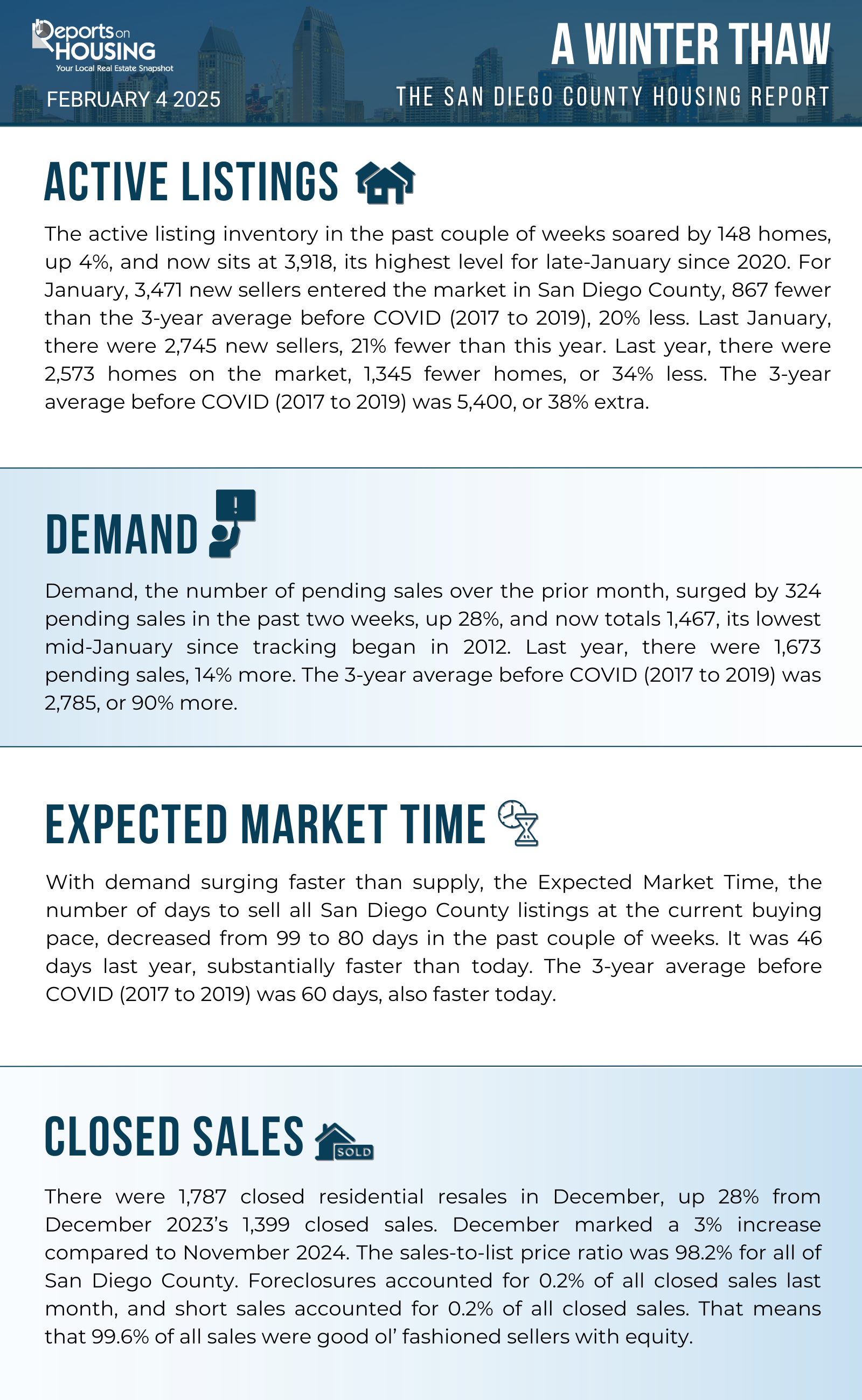
Carmel Valley's median sale price is around $1,894,000 right now - up nearly 10% year-over-year. Homes are moving in roughly 22 days. That's not a lot of time to think.
Monterey tells a different story. Typical home values there sit closer to $1,180,000, though single-family sales sometimes push into the $1.27 million range. And with homes averaging around 76 days on the market recently, you're not going to get steamrolled by the first seller who calls back.
Market Pace and Inventory
Carmel Valley's inventory is genuinely thin - about 64 available homes and 1.8 months of supply at last count. Over 36% of homes are selling above list price, which tells you everything you need to know about where the leverage sits.
Monterey gives buyers more breathing room. Days on market stretching past two months in some periods means you can read the inspection report before you panic-waive everything.
Property Taxes and Local Fees
Both markets fall under California's Proposition 13, so the base property tax rate is capped at 1% of assessed value. Local bonds and special assessments layer on top of that, which is where the numbers start to diverge.
In Carmel Valley, the median effective rate lands at approximately 1.20% once you factor in those additions. Monterey operates under the same statewide framework - expect a comparable baseline, plus whatever Monterey County-specific bonds apply to your parcel.
Housing Styles and Property Types
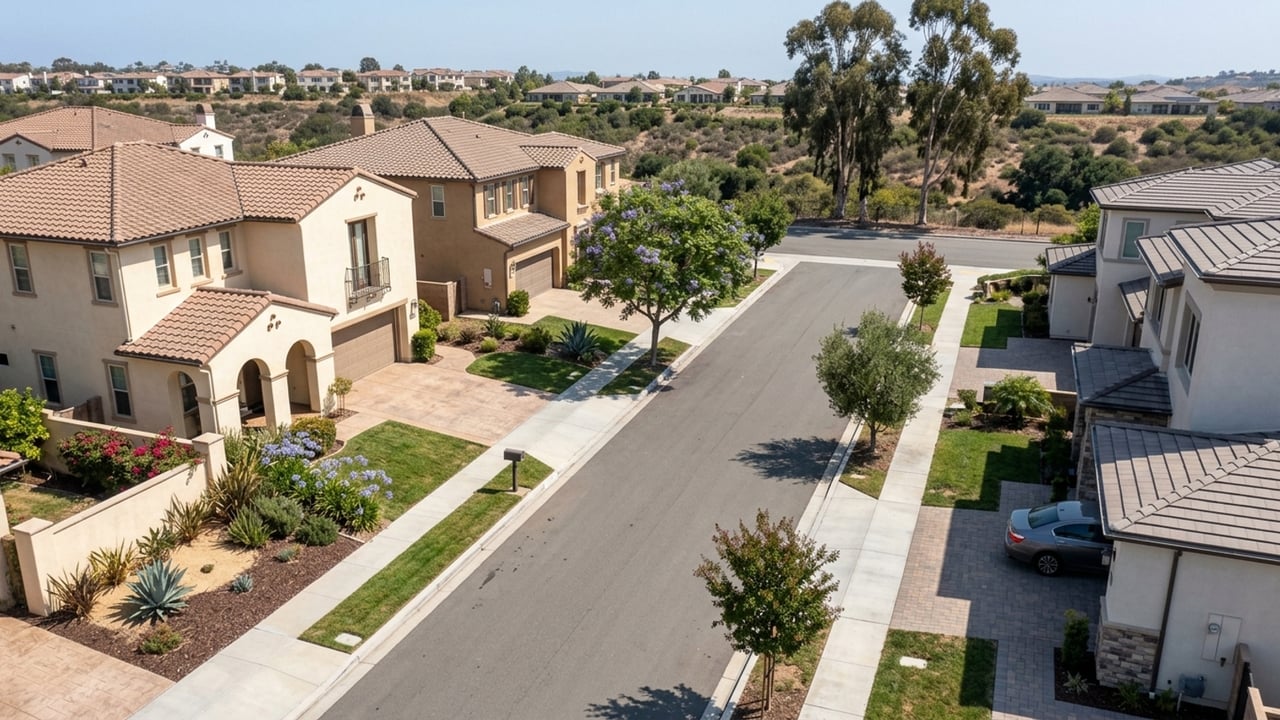
The housing stock in these two places looks and feels completely different, and that's not just an aesthetic observation. Carmel Valley was built out as a master-planned community starting in the mid-1970s, which means the architecture has a consistency to it that you either appreciate or find limiting.
Monterey is the opposite - a collection of distinct sub-areas that each have their own character, price range, and market pace.
Carmel Valley Neighborhoods
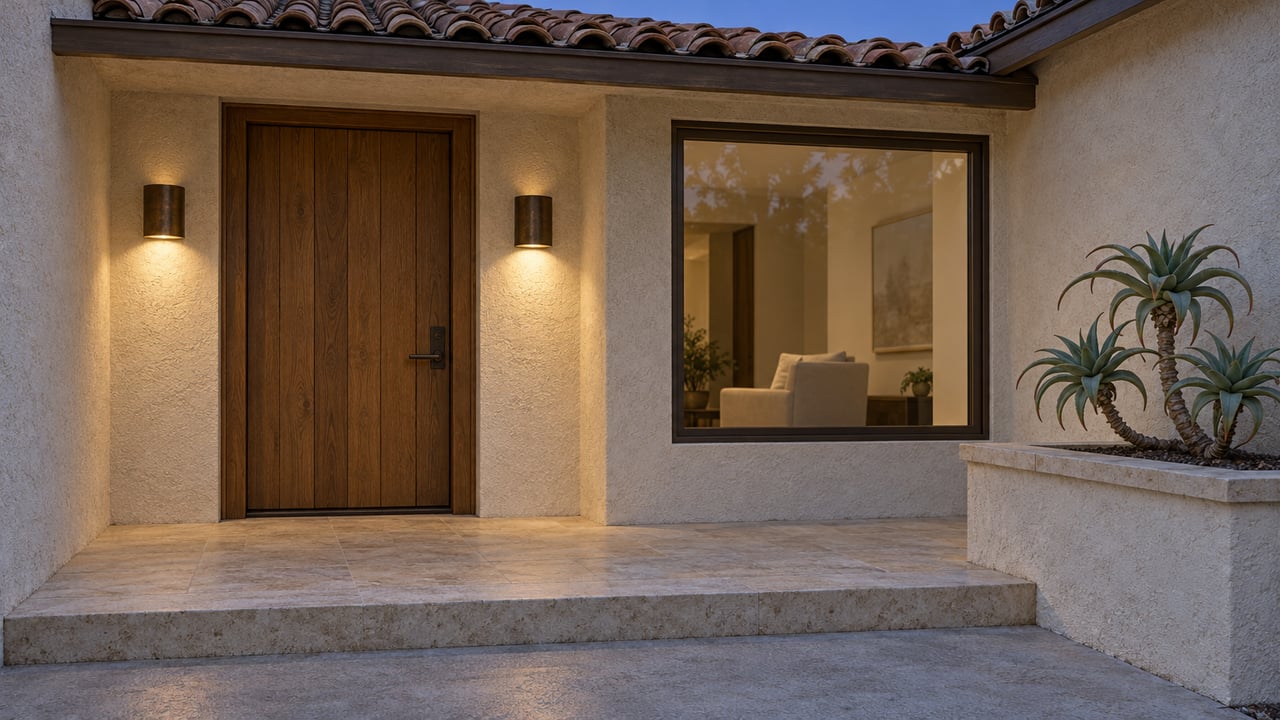
Spanish- and Mediterranean-style homes dominate the visual landscape here. The mix includes single-family homes, custom estates, condos, and townhouses.
Sub-areas worth knowing: Pacific Highlands Ranch, Torrey Hills, and Del Mar Mesa. The range runs from compact townhomes on the lower end to serious single-family layouts with room to spread out.
Monterey Areas to Consider
Pacific Grove, Carmel-by-the-Sea, New Monterey, Skyline Forest, and Monterey Vista each pull in different buyers for different reasons. Del Monte Beach is another neighborhood worth putting on the list - it's a consistent draw for buyers who want sand within walking distance.
The variety is real, but it also means you need to be specific about which neighborhood you're targeting, because the housing options and price dynamics shift considerably from one to the next.
Commute and Local Amenities
Where you work matters as much as where you sleep, and these two markets point in completely different directions on that front. Carmel Valley's location in San Diego County puts residents close to major Southern California employment centers - that's a meaningful practical advantage for a lot of buyers.
Monterey's daily routine is shaped more by its coastal geography than by proximity to a dense employment cluster.
Getting Around Carmel Valley
The commute story here is straightforward for biotech and tech workers. Sorrento Valley and the UTC area in San Diego are both accessible without heroic effort. The master-planned layout also means parks and scenic canyons are integrated directly into the residential fabric - you don't have to drive somewhere to find them.
Enjoying Monterey
Del Monte Beach is the headline amenity. Beyond that, what you can walk to or easily access depends on which neighborhood you're in. Skyline Forest and Monterey Vista sit at a different relationship to the waterfront than the immediate beach neighborhoods - not better or worse, just different.
Retail access follows the same pattern. Map your specific address against the places you need to reach before you commit.
Frequently Asked Questions
Is real estate more expensive in Carmel Valley or Monterey?
Carmel Valley costs more. The median sale price there is roughly $1,894,000, compared to typical home values in Monterey closer to $1,180,000.
What types of homes are available in Carmel Valley vs Monterey?
Carmel Valley is primarily Spanish- and Mediterranean-style single-family homes, custom estates, condos, and townhouses - most of it built from the mid-1970s onward. Monterey offers a more varied mix across neighborhoods like Pacific Grove, Skyline Forest, and Del Monte Beach.
How does the daily commute to major tech hubs differ for residents of Carmel Valley, San Diego versus Monterey?
Carmel Valley residents have a straightforward commute to San Diego's biotech and tech employment centers in Sorrento Valley and UTC. Verified drive-time data to major employment centers from Monterey isn't available, so you'll want to map your specific routes before deciding.
Are property taxes and HOA fees generally higher in Carmel Valley, San Diego or Monterey?
Both fall under California's Proposition 13, which caps the base property tax rate at 1% of assessed value. Carmel Valley's median effective rate comes in at about 1.20% once local bonds are added. Monterey buyers should expect the same framework - plus any Monterey County-specific bonds that apply.
Which housing market is more competitive and sells faster: Carmel Valley, San Diego or Monterey?
Carmel Valley, and it's not particularly close. Homes there have been spending a median of 22 days on the market. Monterey homes have been averaging around 76 days on the market in recent months.