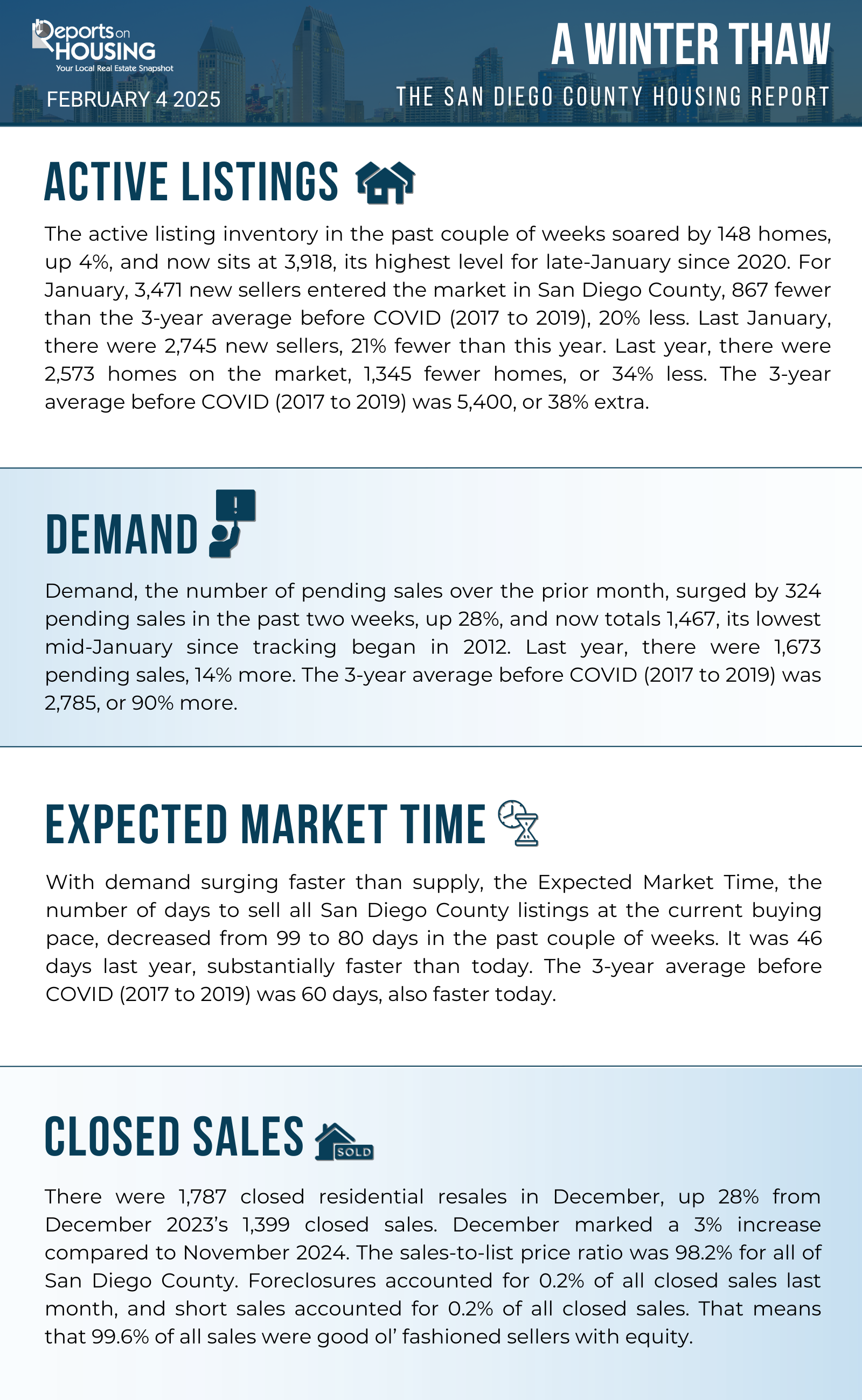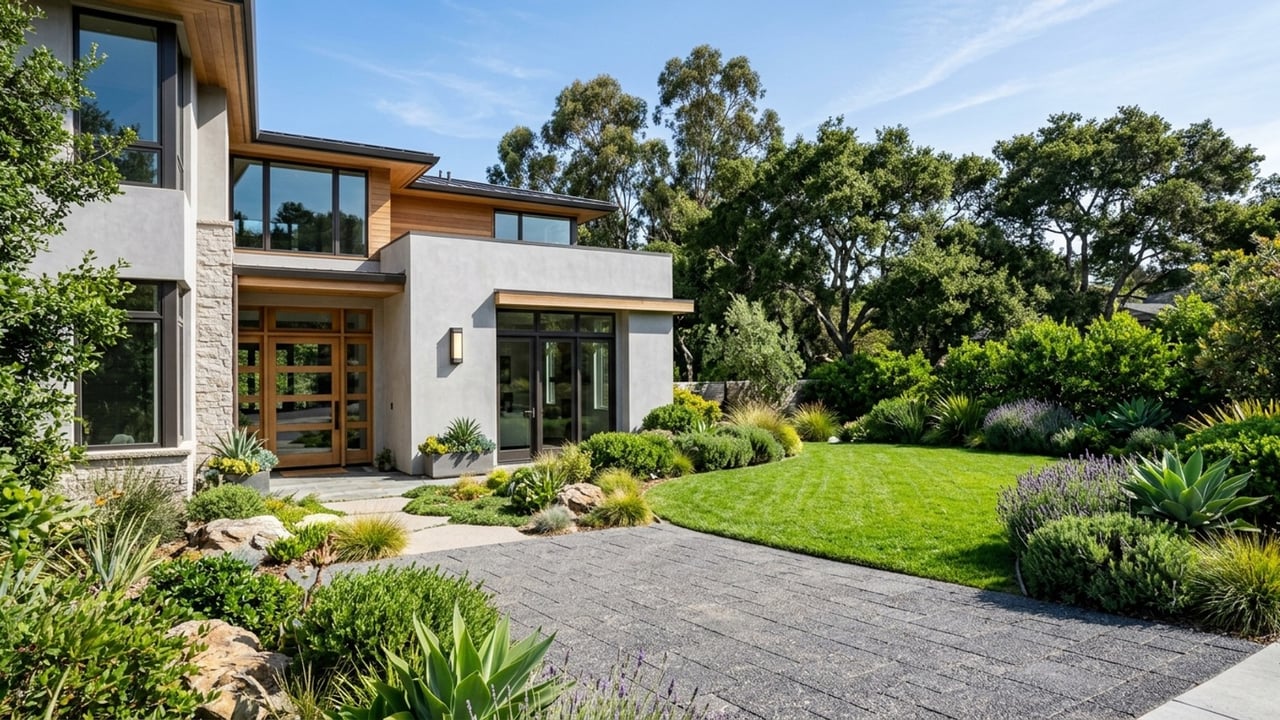
The median sale price for homes in Carmel Valley sits at roughly $2,179,000 as of mid-2026, and with only about 69 active listings on the market, competition is real. Properties are going under contract in an average of just 17 days - so when the right house comes up, first-time home buyers in Carmel Valley don't have much time to figure out financing on the fly.
That's why understanding how current rates affect your monthly payment matters before you start touring homes, not after you've fallen in love with one.
Current Interest Rates for Carmel Valley Buyers
As of August 2026, California buyers are looking at average 30-year fixed mortgage rates between 6.5% and 7.0%. Those figures move daily, driven by Federal Reserve decisions and bond market activity, so the number you see this morning may not be the one you lock tomorrow.
Lenders price individual loans based on your risk profile and the product you choose. Jumbo loans and conventional conforming mortgages each have their own pricing logic, and the spread between institutions can be meaningful.
30-Year Fixed Loans
This is still the most common choice for buyers in Monterey County, and for good reason. Locking in somewhere between 6.5% and 7.0% gives you a stable principal and interest payment for thirty years - no surprises, no annual adjustments, just a number you can build a budget around.
15-Year Fixed Loans
If paying the property off faster is a priority, current 15-year fixed rates are running lower than their 30-year counterparts, typically in the 5.9% to 6.2% range. Your monthly payment will be higher, but the total interest you pay over the life of the loan drops considerably.
Adjustable-Rate Mortgages
ARMs offer a fixed rate for an initial period - often five or seven years - before adjusting annually. Those initial rates can come in below a 30-year fixed, which appeals to buyers who plan to sell or refinance before the adjustment kicks in. Before you go that route, compare the Annual Percentage Rate (APR) on any ARM you're considering; that's what tells you the true cost of borrowing over time.
Estimating Your Buying Power and Monthly Payments
The $2.17 million median price and the interest rate are only part of what determines your actual monthly outlay. Property taxes, insurance, and any homeowners association dues all factor into what you'll owe each month.
Effective property tax rates in Monterey County generally range from 0.68% to 1.12% of a home's assessed value. Starting in the 2025-2026 fiscal year, voters approved Measure A, which adds an additional 0.5% to the countywide tax rate - so if you were running numbers based on older estimates, you'll want to update those figures.
Factoring in Taxes and Insurance
When your lender calculates your Debt-to-Income (DTI) ratio, those updated Measure A tax figures go into the equation alongside your principal and interest. The practical effect is that buyers need to allocate a bit more of their monthly budget to taxes than they would have in prior years. Running precise payment scenarios with your lender before you make an offer is the best way to avoid an underwriting surprise.
Down Payment Strategies
A larger down payment shrinks your loan amount and lowers your monthly payment. It also eliminates private mortgage insurance (PMI) if you put at least 20% down on a conventional loan. For jumbo loans - which are the norm at Carmel Valley's price points - lenders frequently require higher down payments and additional cash reserves beyond that.
What Determines Your Specific Interest Rate
The rates published by Fannie Mae, Freddie Mac, and major banks are averages for well-qualified borrowers. The rate you actually get depends on your financial profile and the specifics of the property.
Small improvements to your application can mean a lower rate and real money saved over the loan's life. Lenders look at several key factors before they issue a final Loan Estimate.
Credit Score Requirements
Your credit score is the first thing underwriters look at when assessing risk. Borrowers with excellent credit histories get access to the most favorable rates on the table. If your score falls below a lender's top-tier threshold, expect either a higher rate or additional fees - sometimes both.
Loan-to-Value Ratios
The loan-to-value (LTV) ratio is simply how much you're borrowing relative to the home's appraised value. A lower LTV signals less risk to the lender, which generally works in your favor on rate. The most direct way to move that number is to put more money down.
Property Type Differences
The type of home also affects your financing costs. Single-family homes tend to get the lowest baseline rates. If you're buying a condominium, lenders sometimes add a slight rate increase or require a larger down payment, reflecting concerns about shared-wall properties and the financial health of the condo association.
Choosing a Lender for Your Purchase
Shopping for a mortgage deserves the same attention you'd give to shopping for the home itself. Different institutions come with different underwriting guidelines, fee structures, and loan programs, and those differences add up.
Getting quotes from multiple sources is how you find the most competitive terms for your specific situation. Most buyers choose between going directly to a bank or using a broker to shop the market for them.
Local Banks vs. National Lenders
Local banks and credit unions tend to know the Monterey County market well and sometimes offer portfolio loan products you won't find elsewhere. National lenders bring streamlined digital applications and a wide range of standardized products, including FHA and VA loans. The best move is to collect Loan Estimates from both so you can compare closing costs and origination fees side by side.
Working with a Mortgage Broker
A mortgage broker submits your application to dozens of wholesale lenders and matches you with the best fit - which can surface options you'd never find searching on your own. Brokers are paid either by the lender or through a fee at closing, so ask how they're compensated before you sign anything.
Frequently Asked Questions
Do mortgage lenders offer different interest rates for homes in Carmel Valley compared to the rest of San Diego?
No - and Carmel Valley, California, is in Monterey County, not San Diego. Lenders price loans based on the broader California market, currently averaging 6.5% to 7.0% for a 30-year fixed, and on your personal financial profile. Municipal boundaries don't factor into your rate.
How do jumbo mortgage rates compare to conforming loan rates for Carmel Valley home purchases?
It depends on what the lender needs in their portfolio at the moment - jumbo rates can run slightly lower or slightly higher than conforming rates. With a median sale price around $2.17 million, most Carmel Valley buyers are in jumbo territory, and those loans generally require excellent credit and additional cash reserves.
What happens to my pre-approval amount if mortgage rates increase while I am still house hunting in Carmel Valley?
When rates rise, your maximum borrowing capacity drops because the higher monthly payment pushes your debt-to-income ratio up. Ask your lender to recalculate your pre-approval whenever rates shift by a meaningful amount.
How quickly can I lock in my mortgage rate once a seller accepts my offer on a Carmel Valley property?
You can typically request a rate lock as soon as both parties have signed the purchase contract. That lock holds your quoted rate through underwriting and the standard closing timeline.
What credit score do I need to qualify for the lowest available mortgage rates on a Carmel Valley luxury home?
Lenders reserve their best rates for borrowers with excellent credit histories. Because most luxury properties here require jumbo financing, lenders typically want top-tier credit scores and substantial down payments before they'll extend their most competitive terms.
How are current mortgage rate trends impacting buyer demand and home prices in the Carmel Valley market?
Demand is holding up despite 30-year rates sitting between 6.5% and 7.0%. Homes are selling in an average of 17 days, and the median sale price has reached roughly $2,179,000 - neither of those numbers suggests buyers are sitting on the sidelines.