Moving to Encinitas CA: 2026 Relocation & Real Estate Guide
Moving to Encinitas, CA offers an iconic North County San Diego coastal lifestyle centered on world-class surf breaks, organic wellness, and five distinct communities: Old Encinitas, New Encinitas, Leucadia, Cardiff-by-the-Sea, and Olivenhain. Featuring median home values of $1.8M to $2M and top-rated school districts, Encinitas provides a premier coastal living experience.
Encinitas Neighborhood | Vibe & Lifestyle Archetype | Housing Architecture | Primary Community Highlight |
|---|---|---|---|
Old Encinitas | Historic Coastal & Walkable 101 | Beach cottages, modern architectural rebuilds | Moonlight Beach, Swami's, La Paloma Theatre |
New Encinitas | Suburban Comfort & Retail Hubs | Single-family tract homes, spacious yards | Encinitas Ranch Golf Course, El Camino Real shopping |
Leucadia | Eclectic Art & Tree-Lined Coastal | Rustic beach homes, custom coastal estates | Beacons Beach, Grandview Beach, eucalyptus canopy |
Cardiff-by-the-Sea | Ocean-View Village & Coastal Living | Custom hillside homes, luxury ocean-view villas | Cardiff Reef, Seaside Market, San Elijo Lagoon |
Olivenhain | Semi-Rural Custom Estates | Custom equestrian compounds, half-acre+ lots | Dark sky policy, horse trails, private rural feel |
Planning a Move to Encinitas or North County San Diego?
Explore luxury homes for sale in Old Encinitas, Leucadia, Cardiff, and Olivenhain with local real estate broker Amy Green.
Quick-Take Summary and Encinitas Relocation Overview
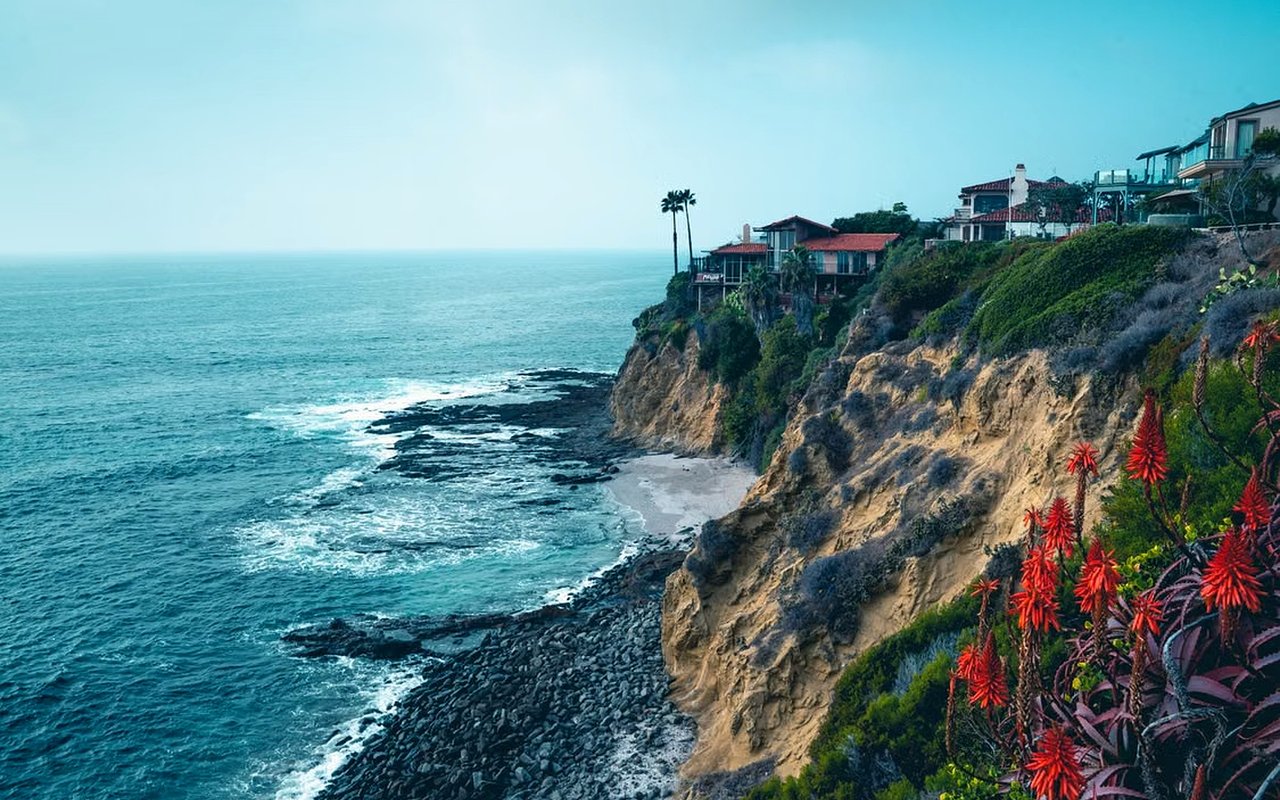
If you are looking for that classic California beach town vibe where surfboards are long, yoga is central to daily routine, and coastal luxury feels effortless, you have found your way to Encinitas, California. Located in North County San Diego, roughly 25 miles north of Downtown San Diego, this vibrant coastal city has roots as the "Flower Capital of the World" and a rich history deeply intertwined with surf culture. Today, it stands out as one of the most desirable places to live in Southern California.
Living in Encinitas means navigating a landscape that is technically one city but comprises five distinct sub-communities: Old Encinitas, New Encinitas, Leucadia, Cardiff-by-the-Sea, and Olivenhain. Each neighborhood maintains its own unique rhythm, from the bustling Highway 101 corridor to quiet equestrian trails inland. It is a high-demand housing market with a price tag to match, but for residents who make the move, the exceptional quality of life is well worth the investment.
Encinitas Relocation & Community Matrix
Understanding Encinitas requires evaluating its distinct neighborhood personalities, housing costs, school districts, and coastal infrastructure.
The Encinitas Coastal Lifestyle: Surf, Wellness, and Highway 101
Daily life in Encinitas revolves around the Pacific Ocean. Surfing is not merely a weekend pastime for residents; it forms the core of the town's identity. Famous surf breaks like Swami's attract experienced surfers and locals, while Moonlight State Beach serves as the community's coastal living room for volleyball, swimming, and sunset gatherings. Even non-surfers embrace a casual, flip-flop-friendly atmosphere where checking tide schedules is part of the morning routine.
Beyond the ocean, Encinitas is widely regarded as the wellness capital of San Diego County. The area features a high density of yoga studios, meditation centers, and organic grocers like Lazy Acres and the famous Seaside Market in Cardiff. The San Diego Botanic Garden highlights the community's commitment to native plants, conservation, and green space. Residents prioritize an active, health-conscious, and eco-friendly lifestyle.
The town's physical layout actively supports this lifestyle. The historic Highway 101 corridor runs parallel to the coast, offering a highly walkable stretch of artisanal coffee shops, local craft breweries, and independent boutiques. Unlike traditional car-dependent suburbs, Encinitas allows residents to walk or bike to local cafes and beaches without needing freeway access.
Cost of Living in Encinitas: Financial Overview & Coastal Premium
Prospective buyers should review realistic financial expectations before relocating. The cost of living in Encinitas sits approximately 66% to 70% above the national average and about 30% higher than the broader San Diego metropolitan average. The primary driver of this expense is coastal real estate, carrying a clear premium over inland neighbors like San Marcos or Escondido.
In addition to housing, monthly utility costs with SDG&E and local grocery prices are slightly elevated compared to national benchmarks. When calculating a monthly budget, factor in property taxes: California base property taxes sit at 1%, with local school and infrastructure bonds bringing effective property tax rates to approximately 1.1% to 1.2%.
- Median Single-Family Home Price: $1,800,000 to $2,000,000+ depending on neighborhood proximity to the coast.
- Average Monthly Rental Rates: 2-bedroom apartments and beach cottages range from $3,200 to $4,500+ per month.
- School District Coverage: Encinitas Union School District (K-6) and San Dieguito Union High School District (7-12).
- Detailed Financial Breakdown: Review our comprehensive Cost of Living in Encinitas 2026 financial guide.
Encinitas Real Estate Market Overview & Tax Insights
The Encinitas housing market remains highly competitive. Inventory is historically tight, meaning well-priced homes frequently sell within 30 to 45 days, often receiving multiple offers. The rental market is equally competitive, particularly for pet-friendly single-family homes near the beach.
When purchasing a home in Encinitas, buyers should verify special property tax assessments like Mello-Roos. Mello-Roos bonds fund community infrastructure in master-planned developments such as Encinitas Ranch (Community Facilities District #1), whereas older historic neighborhoods in Old Encinitas and Leucadia are generally exempt from Mello-Roos fees.
Insurance coverage is another critical consideration during escrow. Properties situated near canyons in Olivenhain or eastern New Encinitas may fall within designated Very High Fire Hazard Severity Zones, requiring specialized California FAIR Plan fire insurance coverage.
The 5 Distinct Neighborhoods of Encinitas
Old Encinitas: Historic Coastal Heart & Highway 101 Walkability
Old Encinitas serves as the historic coastal heart of the city, centered along Highway 101. Exceptionally walkable, it provides immediate access to Moonlight Beach, the historic La Paloma Theatre, local coffee roasters, and coastal dining. Real estate ranges from restored 1920s beach cottages to ultra-modern custom architectural builds.
New Encinitas: Suburban Comfort, Golf Courses & Retail Corridors
Located east of El Camino Real, New Encinitas offers a suburban atmosphere featuring larger single-family homes, wide sidewalks, cul-de-sacs, and convenient access to shopping centers and Encinitas Ranch Golf Course. It is popular among buyers seeking larger floor plans and spacious private backyards.
Leucadia: Eclectic Art District & Beacons Beach Surf Culture
Situated directly north of downtown, Leucadia is celebrated for its artistic, laid-back charm, tree-lined eucalyptus canopies, and independent spirit. Home to iconic surf breaks at Beacons and Grandview Beach, Leucadia features custom coastal homes, rustic beach bungalows, and a strong local community identity.
Cardiff-by-the-Sea: Ocean-View Village & Coastal Lifestyle
Occupying the southernmost coastal ridge of the city, Cardiff-by-the-Sea features its own 92007 zip code and a tight-knit village feel. Known for Cardiff Reef, San Elijo Lagoon trails, and the famous "Cardiff Crack" tri-tip at Seaside Market, Cardiff offers custom ocean-view homes and luxury coastal living.
Olivenhain: Semi-Rural Custom Estates & Equestrian Trails
Positioned on the eastern inland border, Olivenhain provides a semi-rural retreat characterized by half-acre to multi-acre lots, equestrian trails, and a dark-sky policy restricting artificial streetlights. Featuring custom private compounds rather than tract housing, Olivenhain offers unparalleled privacy and space.
Top-Rated Schools and Educational Opportunities
Education is a major draw for families moving to Encinitas. Public education is served by two high-performing school districts: the Encinitas Union School District for elementary grades (K-6) and the San Dieguito Union High School District for middle and high school grades (7-12).
Local public high schools including San Dieguito Academy and La Costa Canyon High School are nationally recognized for academic excellence, athletic programs, and creative arts. San Dieguito Academy offers a flexible, college-style campus environment. Higher education options include MiraCosta College's San Elijo Campus, located in Cardiff overlooking the lagoon.
Commuting, Transportation, and Coaster Access
Interstate 5 serves as the primary North-South freeway connecting Encinitas to Downtown San Diego (25 miles south) and Los Angeles to the north. Commute times to Downtown San Diego average 30 to 35 minutes during off-peak hours and 45 to 60+ minutes during peak rush hours.
For public transit commuters, the North County Transit District Coaster train stops directly at the downtown Encinitas station, delivering a scenic, stress-free ride to Santa Fe Depot in Downtown San Diego in approximately 45 minutes. Locally, Highway 101 offers a scenic coastal drive, while El Camino Real serves as the primary commercial thoroughfare.
Pros and Cons of Living in Encinitas
Evaluating the advantages and trade-offs helps buyers determine if Encinitas aligns with their long-term lifestyle goals:
- Pros: Year-round mild Mediterranean climate, clean public beaches, vibrant wellness culture, top-rated public schools, walkable coastal corridors, and strong community engagement.
- Cons: High real estate entry costs, spring marine layer ("May Gray" and "June Gloom"), summer tourist traffic along Highway 101, and train horn noise near the coastal rail corridor.
- The Verdict: Living in Encinitas requires investing in location and lifestyle over maximum indoor square footage, providing daily ocean access and exceptional coastal living.
For additional North County San Diego relocation guidance, compare Encinitas vs. Solana Beach, read our comparison of Encinitas vs. San Diego, or review the Carlsbad housing market report.
Source Notes: Demographics, housing costs, property tax structures, and school district metrics verified via San Diego Association of Governments (SANDAG), California Department of Education, and Sandicor MLS records as of August 2026.
Related Reading and North County San Diego Guides
About Amy Green Luxury Real Estate
Amy Green is a premier North County San Diego real estate broker representing buyers and sellers across Encinitas, Carlsbad, Solana Beach, Del Mar, and Olivenhain. With deep market expertise in coastal property valuations, Mello-Roos tax analysis, and neighborhood nuances, Amy delivers personalized advisory for luxury homebuyers. Contact Amy Green today to explore homes in Encinitas.
Frequently Asked Questions
Does Encinitas have a walkable downtown area?
Yes. "Old Encinitas" along Highway 101 serves as the walkable downtown hub, lined with historic buildings, coffee shops, local boutiques, restaurants, and the iconic La Paloma Theatre steps from Moonlight Beach.
How expensive is the cost of living in Encinitas CA?
The cost of living in Encinitas is approximately 66% to 70% above the national average, driven primarily by high coastal real estate values with single-family median home prices ranging from $1.8M to $2M+.
What is the difference between Encinitas and Cardiff-by-the-Sea?
Cardiff-by-the-Sea is a coastal neighborhood located within the city limits of Encinitas. It features its own 92007 zip code, San Elijo Lagoon views, Cardiff Reef, and a distinct village identity.
How far is Encinitas from San Diego International Airport?
San Diego International Airport (SAN) is located approximately 25 to 30 miles south of Encinitas via Interstate 5, taking about 30 to 35 minutes off-peak and 45 to 60+ minutes during peak traffic hours.