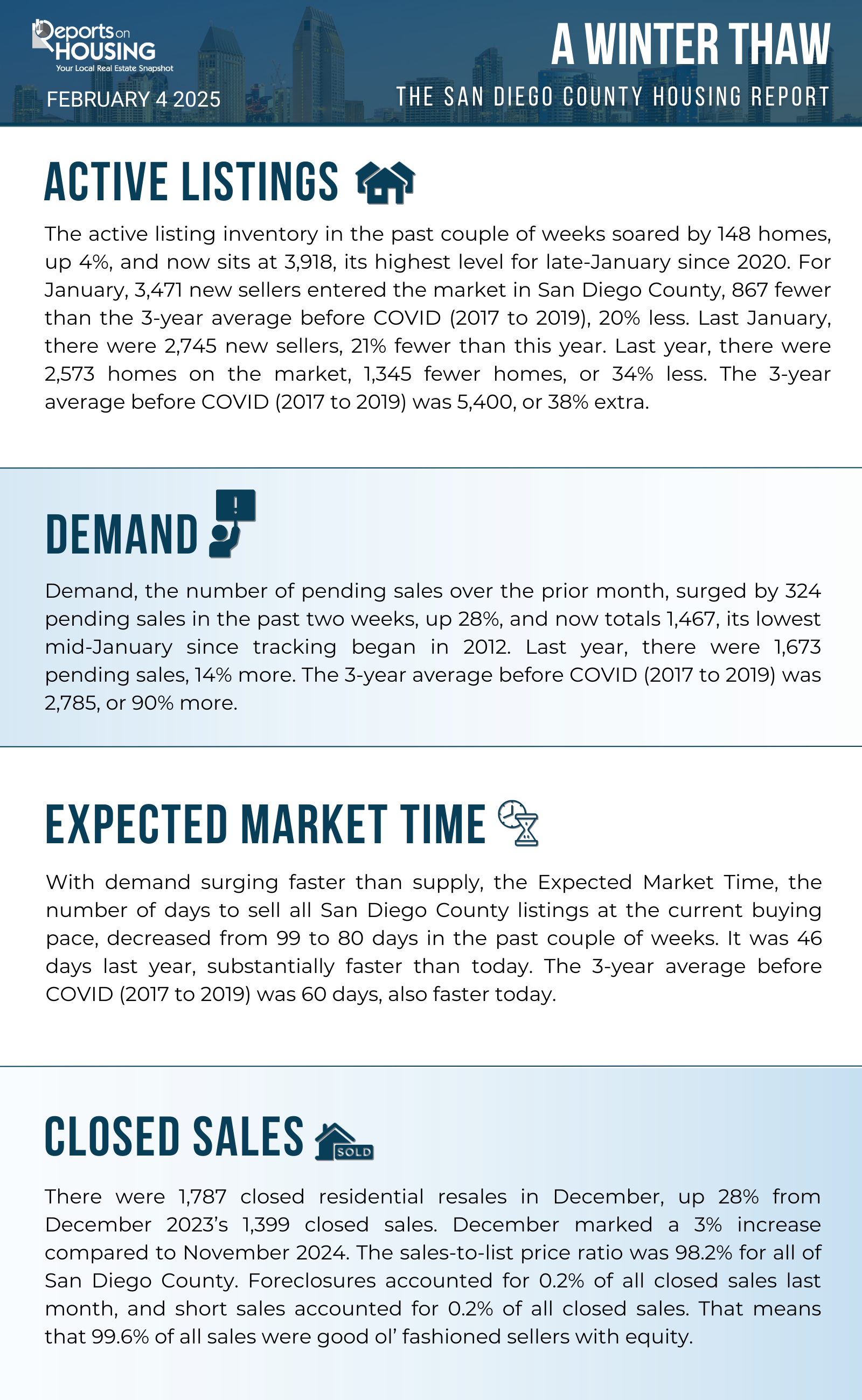
The median home sale price in Carmel Valley sits around $1.89 million right now, with properties moving in roughly 22 days. If you're looking specifically at retirement communities, that broader market context is a major factor in the pros and cons of living in Carmel Valley - but it's only part of the picture.
What surprises most buyers is what they don't find here. This zip code (92130) isn't dominated by large, age-restricted subdivisions. Senior housing in Carmel Valley is mostly dedicated independent living, assisted living, and senior apartment buildings woven into broader master-planned neighborhoods - not massive 55+ tracts with golf carts and clubhouses.
The Landscape of 55+ Living in Carmel Valley
If you came here expecting a traditional 55+ golf cart community, this part of San Diego will look different than you imagined. The core area is built around master-planned subdivisions - Pacific Highlands Ranch, Rancho Pacifica, Meadows Del Mar, and Torrey Hills - and dedicated 55+ senior living is limited to a handful of specific facilities rather than large age-restricted tracts. Westmont of Carmel Valley and Brookdale Carmel Valley are the primary hubs for structured senior living here.
Facility-Based Options vs. Traditional Neighborhoods
Because the broader market is competitive - homes frequently sell for slightly above list price - many downsizers choose dedicated senior living facilities over buying a smaller single-family home. These facilities bundle housing, amenities, and varying levels of care under one roof.
If you'd rather buy, you'll almost certainly be shopping in non-age-restricted neighborhoods. With only around 64 homes in active inventory recently, you'll want your financing squared away before a suitable single-story property hits the market. Things move quickly.
How the 80/20 Age Rule Works
For communities that do restrict age, federal law requires that at least 80% of occupied units have at least one resident who is 55 or older. That's the legal floor. A community can enforce stricter rules, but it can't go below that threshold.
The remaining 20% of units can technically house younger residents, though individual property management companies or homeowners associations set the final policy. Always review the specific HOA bylaws before you assume anything about who can live in the home - or who can visit.
Types of Senior Housing Available Locally
Finding the right fit comes down to matching your desired level of independence with what a given facility provides. Carmel Valley offers a mix of luxury care facilities and income-restricted apartment complexes, and because the area leans toward facility-based care, you'll mostly be looking at independent living, assisted living, or memory care formats.
Independent and Assisted Living Facilities
Brookdale Carmel Valley, located at 13101 Hartfield Ave, caters to seniors who want community amenities without daily medical assistance - dining options, social calendars, housekeeping. That kind of setup.
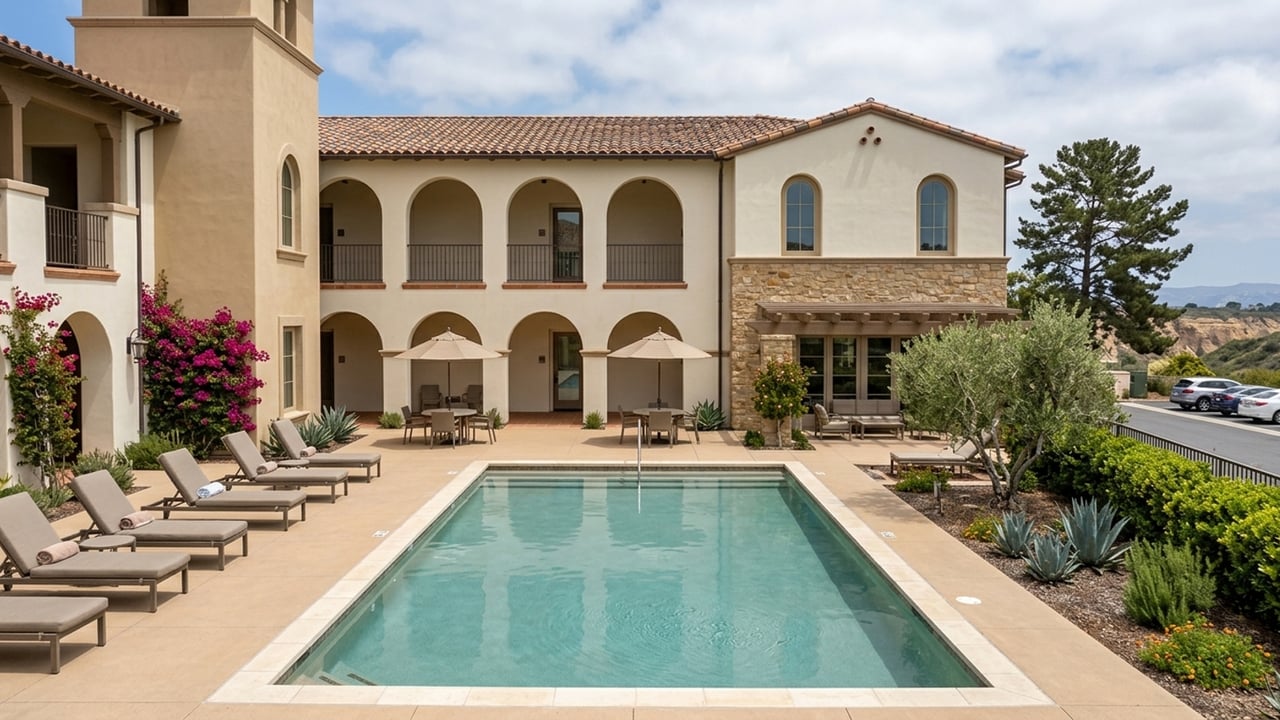
Westmont of Carmel Valley at 5720 Old Carmel Valley Road operates at the higher end. It's a luxury senior living community that offers a continuum of care, meaning residents can move from independent living to assisted living or memory care without relocating to a new campus. For a lot of people, that flexibility is worth the premium.
Affordable Senior Housing Alternatives
If you're looking for income-restricted options near the Carmel Valley area, there are a few complexes worth knowing about. Torrey Del Mar Apartments at 13875 Carmel Valley Rd offers affordable one-, two-, and three-bedroom units within a larger master-planned community. Cielo Carmel at 6050 Camino San Fermin is a 197-unit property serving families and seniors earning 50% to 60% of the Area Median Income.
These are meaningfully different from the luxury facilities - different income qualifications, different amenities, different waitlist situations. Don't conflate them.
Monthly Costs and Real Estate Prices
Budgeting here means accounting for both the area's real estate premiums and the cost of care services. Overall independent and senior living costs in the area average roughly $4,948 per month - but that average moves around depending on unit size and care level. A standard apartment in an age-targeted facility looks very different on a balance sheet than an entrance fee at a continuing care community.
Average Rents for Senior Apartments
Specific 55+ age-restricted apartment rent data for this exact neighborhood is sparse, but broader independent living rates give you a workable baseline. Studio units average about $5,775 per month. One-bedroom units average around $6,620 per month. Those figures typically bundle rent with utilities, meals, and facility amenities - so it's not a straight apples-to-apples comparison with a market-rate apartment.
Buying in the Broader Carmel Valley Market
If you decide to skip the facilities and buy in the general market, the competition is real. The median sale price is up roughly 9.6% year-over-year, approaching the $1.9 million mark. Homes are averaging just 22 days on the market, and roughly 36% of recent sales closed above the asking price. Have your financing or cash funds fully organized before you start touring - not after.
Lifestyle and Amenities for Retirees
Carmel Valley requires you to own a car. The area has a Walk Score of 37, which puts it squarely in car-dependent territory - most errands require a drive. That's not a dealbreaker for most retirees here, but it's something to factor in honestly, especially if driving becomes more difficult over time.
That said, the infrastructure is solid. Shopping centers and medical facilities are accessible, and the driving routes are straightforward.
Local Healthcare Access
Proximity to medical care is essential for retirees, and Carmel Valley delivers on that front. Sharp Rees-Stealy Carmel Valley operates directly within the community, which means routine appointments don't require a trip into downtown San Diego.
Neighborhood Layouts
The master-planned nature of Carmel Valley means commercial and residential zones are cleanly separated. Subdivisions like Torrey Hills and Pacific Highlands Ranch have wide streets, local parks, and maintained landscaping. You won't walk to the grocery store from most addresses, but the area is well-connected by local thoroughfares and sits adjacent to Interstate 5 and State Route 56.
Evaluating the Pros and Cons
Moving into a structured senior living environment changes your daily routine and your monthly obligations. You're trading home maintenance for a monthly fee and a set of community rules. Whether that trade makes sense depends entirely on your situation - and on whether a facility like Westmont or Brookdale fits better than aging in place in a traditional house.
Advantages of Dedicated Communities
The clearest advantage is the built-in support system. Dining services, social activities, transportation shuttles - those are available from day one. For facilities offering a continuum of care, there's also the security of knowing assisted living or memory care is on the same campus if your health needs change. That matters more than most people expect until it suddenly does.
Potential Drawbacks
The monthly cost is the obvious sticking point - a one-bedroom unit can easily run over $6,000, and those fees typically increase annually to keep pace with inflation and rising healthcare costs.
There's also the demographic piece. Some retirees genuinely miss living next to families and younger neighbors. A dedicated senior facility won't give you that mix, and it's worth being honest with yourself about whether that matters to you before you sign anything.
Frequently Asked Questions
Is Carmel Valley, CA a good place to retire?
Yes, it offers excellent local healthcare access, including Sharp Rees-Stealy, and upscale master-planned neighborhoods. However, the area is car-dependent with a Walk Score of 37, so residents will need reliable transportation.
Is it cheaper to live in a 55+ community in Carmel Valley?
It depends on your current housing expenses. While you avoid the area's $1.89 million median home purchase price, independent living facilities here average around $4,948 per month, which can add up over time.
What is the average entrance fee for a CCRC in San Diego County?
Entrance fees vary widely depending on the specific facility, the size of the unit, and the type of care contract you select. You should contact individual communities directly to request their current fee schedules.
What is the 80/20 rule in a 55+ / retirement community?
The 80/20 rule is a federal guideline requiring that at least 80% of the occupied units in an age-restricted community have at least one resident who is 55 or older. The community's HOA manages the remaining 20% and sets the specific rules for younger residents.
What is the downside of a 55+ community?
The main downsides are the high monthly costs and the lack of age diversity. In Carmel Valley, a one-bedroom unit in an independent living facility averages around $6,620 per month.
What should I look for when touring a retirement community in Carmel Valley?
You should ask about the continuum of care, monthly fee increases, and what specific amenities are included in the base rent. It also helps to observe the social calendar and check the proximity to local clinics like Sharp Rees-Stealy.