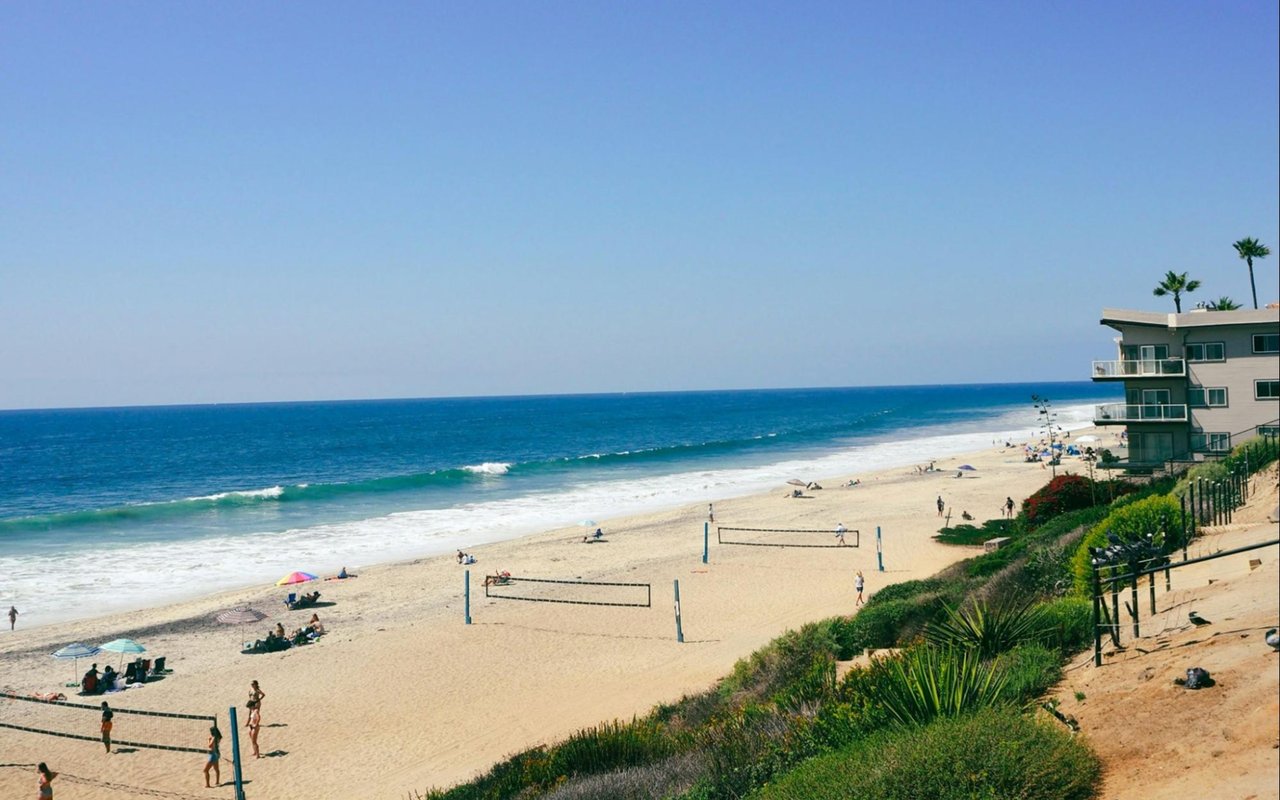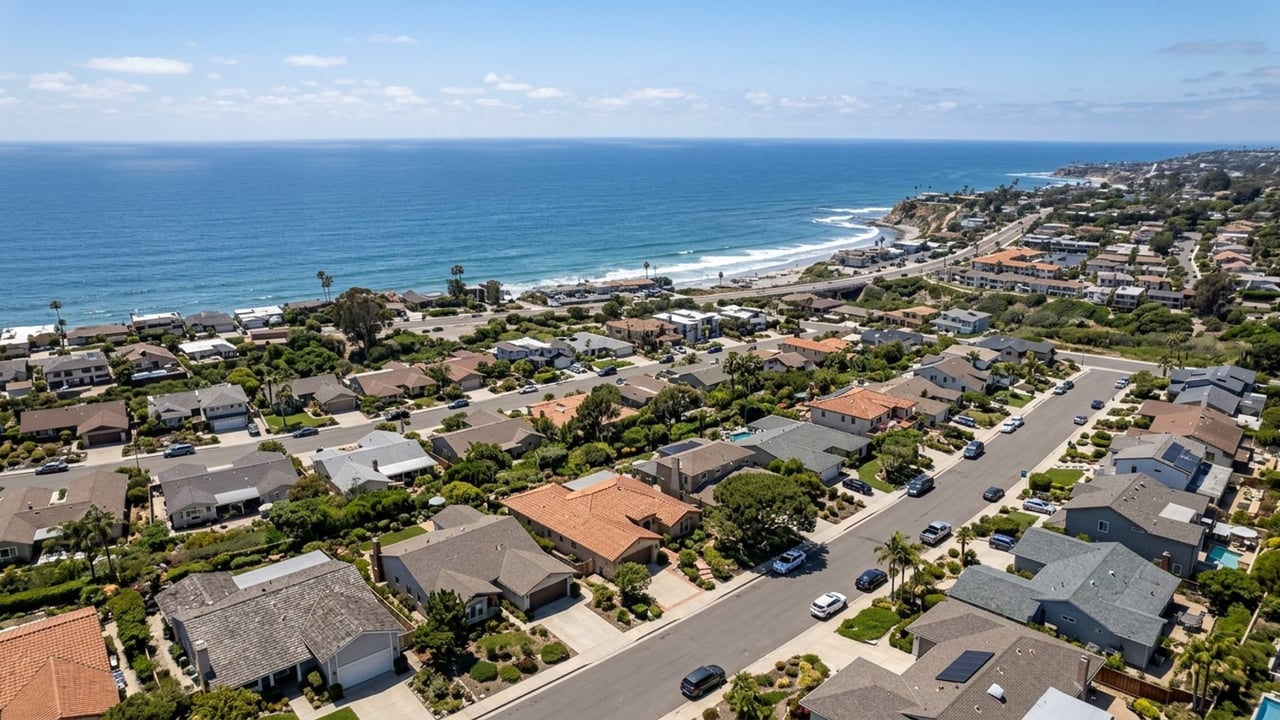
Much of the appeal of living in Encinitas comes from a mild coastal climate that pulls buyers from all over the country. The Pacific Ocean sits right there, keeping temperatures moderate and cutting off the brutal heat you'll find just a few miles east.
If you're serious about buying here - and with median home prices around $2,180,000 as of mid-2026, serious is the right word - you want to know exactly what kind of environment you're committing to before you sign anything.
A Quick Look at the Encinitas Climate
Sources like Climate-Data.org classify this as a cold-summer Mediterranean or warm temperate zone (Csc/Csb), and some regional models also describe nearby coastal areas as cold semi-arid. What that means in plain terms: dry, warm summers and mild, slightly wetter winters. The ocean acts as a natural temperature regulator, keeping day-to-day conditions far more consistent than what the rest of Southern California deals with.
The Local Climate Classification
Different meteorological models use slightly different labels, but they all land in the same neighborhood - a mild Mediterranean zone shared by many of the most popular coastal communities in the state.
The steady marine layer drives that designation. It provides natural cooling through the warmer months and keeps the hard freezes that define other climate zones from ever showing up here.
Season-by-Season Conditions on the Coast
The weather shifts subtly through the year rather than swinging dramatically. You're not packing away a whole wardrobe when one season ends. What you will notice are changes in cloud cover, ocean breezes, and evening temperatures - and if you're planning a home search, understanding those rhythms matters.
Summer Temperatures and June Gloom
Early summer brings what locals call "June Gloom" - a thick marine layer that keeps mornings overcast and cool before burning off by afternoon. By July and August, that layer thins out, temperatures peak, and the ocean breezes keep coastal neighborhoods comfortable even when the sun is doing its best.
Winter Months on the Coast
Winters here are consistently mild. Daytime highs rarely drop below the low 60s, and the coldest months - December and February - average around 62.6°F. Nighttime temperatures can dip into the low 50s or high 40s, so you'll want a jacket for an evening beach walk. Freezing conditions are essentially nonexistent.
Spring and Fall Shoulder Seasons
Spring brings gradual warming and occasional morning fog, and the landscape tends to be at its greenest following the winter rains.
Fall is a different story entirely. September and October routinely deliver clear, warm days and warm ocean water long after traditional summer has wrapped up - and a lot of people who've lived here for years will tell you it's the best stretch of the year.
Monthly Temperature Averages to Expect
The range here is narrow. WeatherSpark data shows the yearly spread typically stays between 49°F and 77°F, and temperatures rarely drop below 44°F or climb above 84°F at any point. That consistency is one of the things buyers keep coming back to when they're weighing this market against other options.
The Hottest and Coldest Times of Year
August is the warmest month - Weather-US.com reports average highs of 76.5°F and lows around 64.8°F. July runs close behind at average highs around 74.3°F. On the other end, December and February tie for the coldest period, with highs averaging 62.6°F, and January sees overnight lows around 53.2°F.
Monthly Highs and Lows
Through spring, temperatures climb steadily from the mid-60s into the low 70s while evening lows stay cool in the mid-50s. In autumn, the heat holds through September before tapering off slowly. By November, daytime highs are back in the upper 60s, and the cooler winter pattern settles in from there.
Precipitation and Humidity Levels
Water shapes the daily environment here - whether it's coming from rain, humidity, or the ocean itself. The area gets minimal precipitation compared to the national average, and buyers moving from wetter climates usually find the dry conditions a welcome change. That said, the Pacific is right there, and it introduces consistent moisture into the air year-round.
Annual Rainfall and Snowfall
Annual rainfall totals run between 9.1 inches and roughly 14.9 inches depending on the tracking source, and most of that falls during winter. Snow is simply not a factor. BestPlaces.net confirms the area averages zero inches of snow per year - you will never need a snow shovel in Encinitas.
Coastal Humidity Factors
The marine influence keeps relative humidity fairly high and stable throughout the year. Climate-Data.org notes August sees the highest relative humidity at about 76.2%, while November typically marks the lowest point at around 70.9%. Those percentages sound significant, but the moderate temperatures keep the air from ever feeling oppressive.
Natural Hazards and Weather Risks
Southern California has real environmental factors to reckon with, and Encinitas is no exception. The two you need to understand before buying here are wildfire and coastal erosion.
Wildfires in the Wildland-Urban Interface
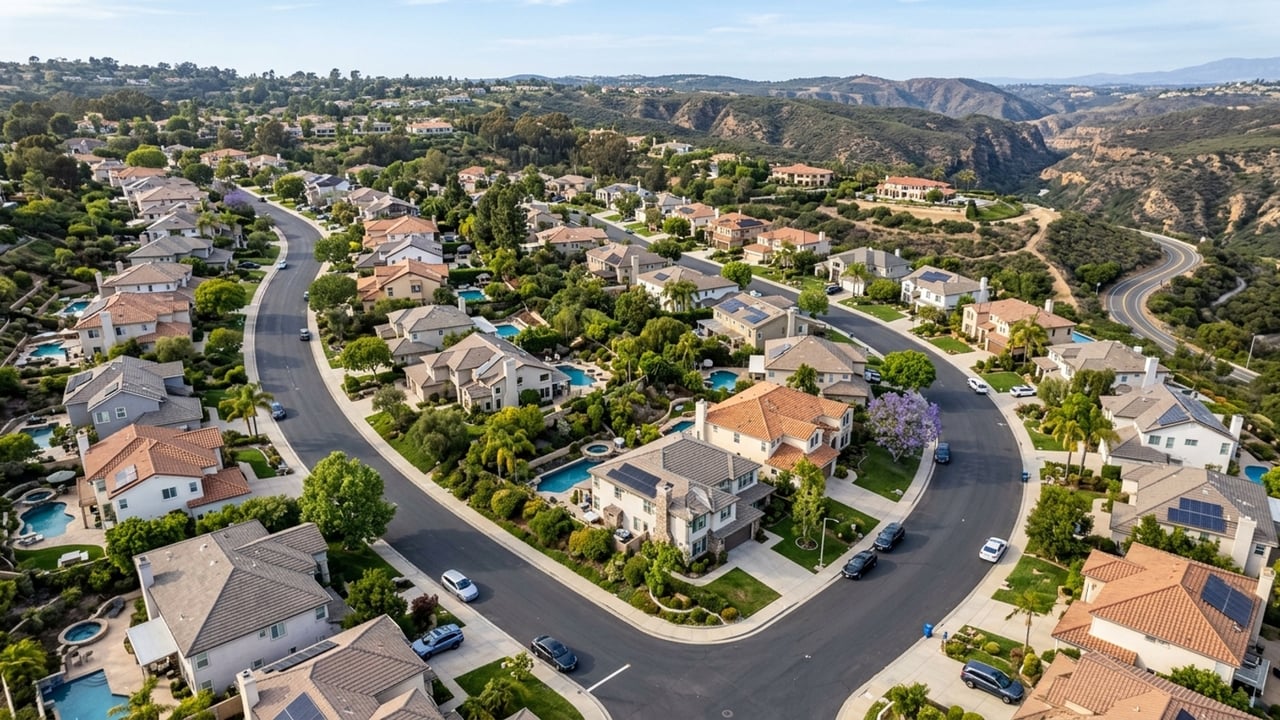
Wildfire risk is significant, particularly for homes in the wildland-urban interface. The City of Encinitas identifies areas like Saxony Canyon, Olivenhain, and South El Camino Real as susceptible due to heavy fuel loads in nearby canyons. ClimateCheck rates about 71% of buildings in the city as having a very high wildfire risk. If you're buying in those zones, defensible space and fire-resistant building materials aren't optional considerations.
Coastal Flooding and Bluff Erosion
Coastal flooding is a relatively minor risk, affecting about 6.8% of properties according to First Street Foundation, but bluff erosion is a documented and ongoing issue. The city acknowledges recurring erosion and occasional bluff failures along the coastline. If you're looking at oceanfront properties, review the geological surveys and understand what you're buying - setback regulations are in place to help manage risk for new construction, but they don't eliminate it.
Timing Your Move or Visit
The weather stays cooperative most of the year, but some months are genuinely better than others for house hunting. Homes here spend roughly 31 days on the market, so you won't have unlimited time to deliberate once you find something - but pairing your search with the right season makes the whole process easier.
Ideal Months for Weather
September and October are hard to beat. The summer crowds are gone, the ocean water is still warm, and the days are clear and comfortable. Spring works well too - the winter rains have cleared, the local flora is blooming, and if you time it right, you avoid the peak of June Gloom and get a more accurate read on a home's natural light.
Comparing the Coast to Inland Areas
The difference between Encinitas and inland San Diego County is real and measurable. Communities just a few miles east lose the marine cooling effect entirely and deal with much hotter summers. That temperature gradient is a big part of why coastal real estate commands a premium - a lot of buyers are choosing Encinitas specifically to avoid the 90-degree summer days that are routine in the inland valleys.
How the Weather Impacts Local Real Estate
The climate is a genuine driver of demand here, not just a selling point. With inventory sitting at around 120 available homes and a median sale price of $2,180,000, buyers are making substantial commitments - and the ability to use outdoor space year-round is a real part of what justifies that number.
Buying a Home in This Climate
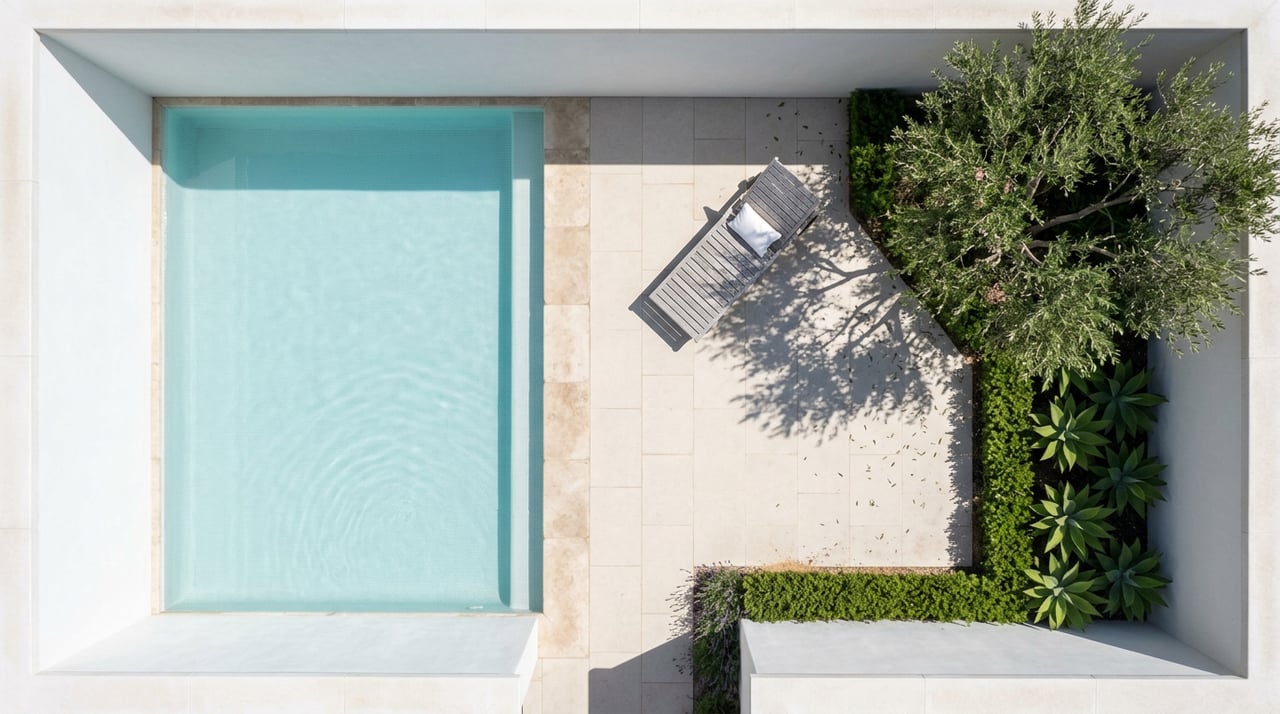
Homes here are built around the ocean breezes, often featuring large sliding glass doors and expansive patios. Many older properties don't have central air conditioning because the coastal air handles most of the cooling on its own. What you do need to account for is maintenance - salty ocean air accelerates wear on exterior fixtures and paint, and routine upkeep is part of owning property this close to the water.
Housing Market Conditions
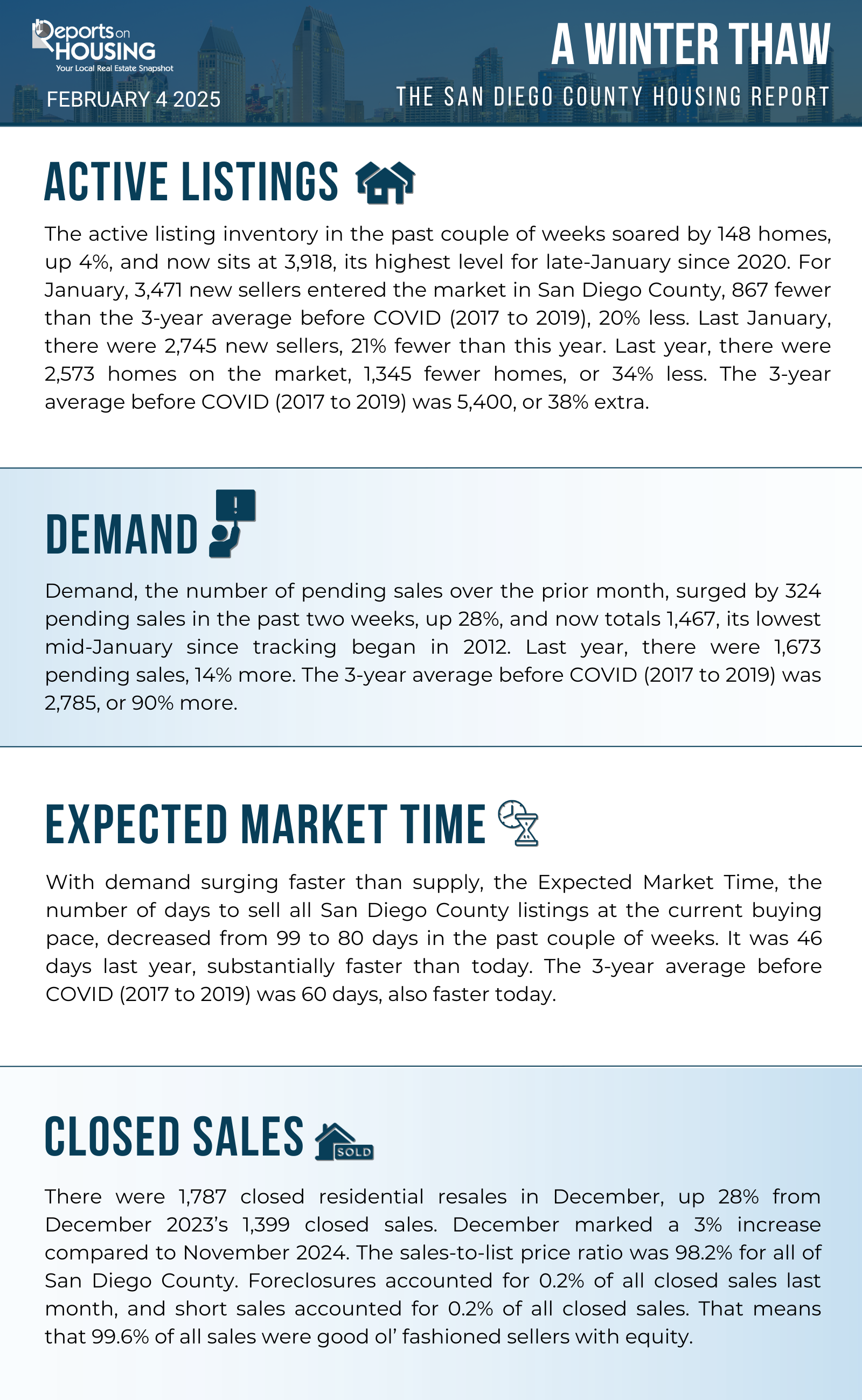
Homes are selling at roughly 98.8% of their list price, and about 27% of properties sell above asking - that's what steady demand looks like. With only 2.4 months of supply available, you'll want to be ready to move when you find the right place. Unlike a lot of markets, there's rarely a slow season here. The weather doesn't really give one.
Frequently Asked Questions
When is the best time of year to list a house in Encinitas to avoid 'June Gloom' affecting buyer showings?
Late summer or early fall sidesteps the morning overcast that comes with June. August and September offer clear, bright days with average highs in the mid-70s, which means better natural light during showings.
Do the coastal weather patterns and salt air in Encinitas, CA increase home maintenance costs?
Yes. The steady marine layer and salt air accelerate wear on exterior surfaces, and homeowners typically need to repaint and replace outdoor metal fixtures more frequently than they would in inland areas.
How much do microclimates vary between coastal Encinitas neighborhoods and inland areas like Olivenhain?
More than you'd expect for the distance involved. Coastal neighborhoods stay cooler thanks to the ocean breeze, while inland areas like Olivenhain run warmer in summer and are specifically noted by the city for higher wildfire risk due to heavy canyon fuel loads.
Is central air conditioning necessary when buying a home in Encinitas, or is the ocean breeze enough?
For coastal properties, it's often not necessary. Average August highs only reach about 76.5°F, and consistent ocean breezes mean many residents get by with open windows for natural cooling.
Are coastal properties in Encinitas at high risk for weather-related issues like bluff erosion or winter storm flooding?
Bluff erosion is a recognized issue - the city notes occasional bluff failures along the coastline. General coastal flooding is more limited, affecting roughly 6.8% of properties according to First Street Foundation data.
How does the year-round weather in Encinitas compare to inland San Diego for buyers looking to relocate?
Encinitas stays within a much narrower band, typically between 49°F and 77°F year-round. Inland San Diego areas don't get the same marine cooling, which means significantly hotter summers and colder winter nights.