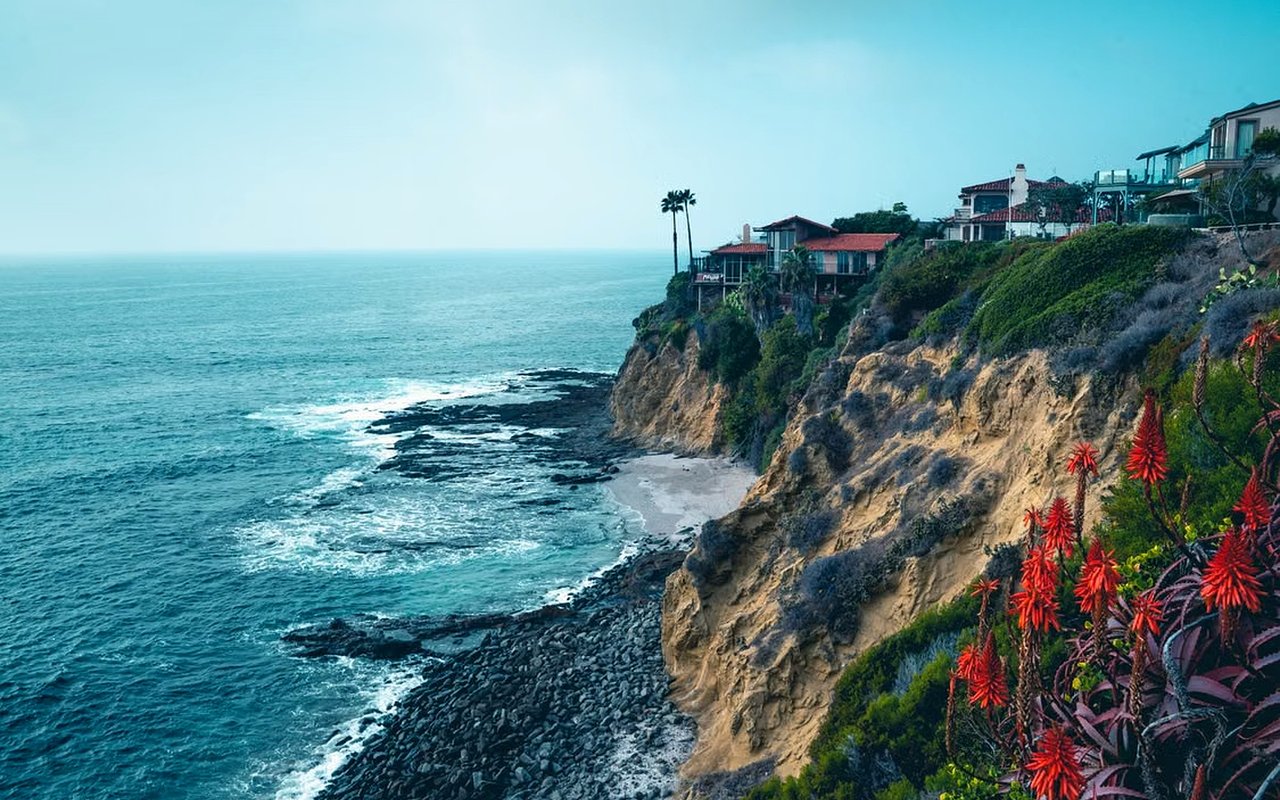
There is something undeniably special about the coastal lifestyle in Encinitas. From the vibrant surf culture along Highway 101 to the stunning ocean views and excellent access to public parks, it is easy to see why so many people want to plant roots here. If you are looking to build my own home in Encinitas CA, you are eyeing one of the most desirable stretches of real estate in Southern California.
With median home values easily exceeding $1.1M, creating a custom residence from the ground up is a premium investment. Because the local landscape and regulations are so unique, it is absolutely essential to hire an experienced local design build team. Navigating the rules here is not quite like building in other parts of the country, and having professionals who understand the nuances of living in North County San Diego will save you time, money, and frustration.
In this guide, we will walk through exactly what it takes to bring your vision to life from start to finish. We will cover everything you need to know, including finding the right plot of land, navigating strict coastal regulations, securing your city permits, and understanding the real construction costs involved. Let's start by looking at where you will actually build your new home.
Step 1: Finding a Lot and Navigating Encinitas Zoning Laws
Finding the perfect piece of property to build on is your first major hurdle in this process. Raw, vacant land is incredibly scarce in this area, especially if you are looking at the best neighborhoods in Encinitas west of Interstate 5.
Because empty lots are so rare, most buyers end up purchasing an older property to use as a tear-down. Before buying land in San Diego County, it is crucial to understand Encinitas Municipal Code Title 30. This specific zoning code governs local development and dictates your maximum lot coverage, which ultimately decides how large your home can be relative to your property size.
You will also need to align your architectural vision with the Encinitas Community Character Standards. These local rules ensure that new custom homes match the established aesthetics of the surrounding neighborhood. It is important to note that building heights are generally capped depending on your specific neighborhood zoning, which can impact your plans for a second story or a rooftop deck. A good tear-down vs remodel guide can help you weigh whether it is better to start fresh or work with an existing structure.
Because of these complex zoning nuances, I always advise buyers to hire a civil engineer or a site surveyor before closing on a property. They can evaluate the lot and tell you exactly what is legally possible to build, protecting you from making a very costly real estate mistake. Once you have secured your land, the next step is dealing with the coastal authorities.
Step 2: Mastering California Coastal Commission Regulations
If your property falls within the Encinitas Coastal Overlay Zone, the rules of development change entirely. You will need to master the California Coastal Commission regulations to keep your project moving forward without major delays.
Any new structure, or even a significant expansion of an existing footprint, will trigger the need for a Coastal Development Permit, commonly known as a CDP. The Coastal Commission heavily scrutinizes these projects to protect public views, manage local stormwater runoff, and ensure long-term bluff stability. Anyone reading a coastal property development guide will quickly learn that the state prioritizes environmental protection above all else.
If you are planning on building on coastal bluffs, you are required to submit extensive geotechnical engineering reports to prove the land is structurally stable. You will also need to plan for a strict 40-foot setback requirement from the edge of the coastal bluffs to your foundation. This setback is non-negotiable and heavily influences your floor plan.
Keep in mind that securing a CDP can add anywhere from 3 to 6 months to your project timeline, and that can stretch up to 18 months if your project is appealed by a neighbor or environmental group. Additionally, your builder in Encinitas will need to spec marine-grade materials for the exterior to ensure your home can withstand the relentless salt spray and coastal moisture. After you clear the coastal approvals, you can finally move into the standard city permitting phase.
Step 3: The Design-Build Process and Permitting Timelines
Moving from architectural sketches to pouring a concrete foundation requires a tight, well-managed schedule. Understanding the design-build process and the city's permitting timelines will help you set realistic expectations for your move-in date.
Many local buyers prefer a unified design build approach, where the architect and the general contractor work under one single roof. This ensures seamless communication and helps keep your project manager completely aligned with your budget from day one. If you are researching how to choose a general contractor, looking for a team that offers comprehensive design services is usually the smartest path for a complex coastal project.
The formal process usually kicks off with a pre-application meeting with Encinitas Development Services to review your initial plans. From there, your blueprints go through a rigorous plan check process via the city's third-party reviewers. Standard plan reviews take roughly 30 days to complete, while minor trade permits for specific electrical or plumbing work can usually be pulled in 7 to 10 days.
Once your permits are in hand, the active construction phases officially begin. Your home builders in Encinitas will guide the site prep, framing, rough-ins, detailed finish work, and ultimately the final walkthrough. Total active construction time is typically 10 to 14 months after the city issues your permits, assuming there are no major weather delays or supply chain issues. Now, let's talk about the budget required to make this happen.
How Much Does It Cost to Build a Custom Home in Encinitas?
Budgeting for home construction in North County San Diego requires a clear, realistic understanding of the current local market. It is important to remember right away that your land acquisition is a separate cost entirely from the physical construction of the house.
When calculating your budget, you have to factor in both hard costs and soft costs. Hard costs include the tangible materials and the physical labor required to build the house. Soft costs cover the administrative side, including architect fees, city permits, and structural engineering. In this area, you also have to account for the "coastal premium." This refers to the higher costs associated with specialized craftsmanship, complex bluff engineering, and the durable marine-grade materials required by the city.
For a realistic estimate, custom builds typically range from $400 to $800+ per square foot in this zip code. This means a standard 2,500 square foot custom home can cost between $1,000,000 and $2,000,000+ for the construction alone. Any reliable San Diego construction costs guide will echo these figures for premium coastal zones.
Keep in mind that luxury custom homes with high-end finishes, imported materials, and complex site prep will easily push toward the higher end of that pricing spectrum. If you are looking into financing a custom home build, you will want to secure a construction loan that comfortably covers these potential upper limits. If you want to offset some of these costs, adding a secondary unit is a very smart local strategy.
Maximizing Property Value: Adding an ADU in Encinitas
One of the best ways to maximize your real estate investment during a custom build is by taking advantage of the lenient Accessory Dwelling Unit laws in Encinitas. The city is highly supportive of ADUs as a practical way to combat local housing shortages and provide more dwelling units in established neighborhoods.
To make things easier for homeowners, the city offers a Permit Ready ADU program, known as PRADU. This program provides pre-approved floor plans that you can use right off the shelf. Taking advantage of PRADU can grant you significant fee waivers and a much more streamlined process for ADU construction, saving you both time and administrative headaches.
From a zoning perspective, the rules are quite generous. Single-family lots can typically support one detached ADU and one Junior ADU, often referred to as a JADU. Detached ADUs are allowed to be up to 1,200 square feet, which gives your custom home builder plenty of space to design a comfortable, fully functional secondary suite.
Incorporating an ADU into your property is a fantastic way to boost your investment property ROI by generating steady rental income. It is also an ideal setup for multi-generational living, giving extended family their own private space while remaining close by. A thorough San Diego ADU construction guide can help you explore the specific layout options that work best for your lot. Finally, let's address some of the most common questions buyers have when starting this journey.
Frequently Asked Questions
How long does it take to build a house in Encinitas, CA?
From the initial design phase to the final walkthrough, you should expect the entire process to take 12 to 24 months. This timeline accounts for securing California Coastal Commission approvals, navigating city permitting, and the 10 to 14 months required for the actual physical construction.
Can I legally build my own house in California?
Yes, you can legally act as an owner-builder in California by pulling your own permits and managing the project yourself. However, given the extreme complexity of coastal regulations, mandatory bluff engineering, and strict local zoning laws in Encinitas, hiring a licensed general contractor is highly recommended to avoid massive delays and costly errors.
Is $300,000 enough to build a house in Encinitas?
While $300,000 is a healthy budget for an extensive home remodeling project or building a detached ADU, it is not enough for a full custom home in this market. With local construction costs starting around $400 per square foot, a ground-up custom build will require a budget closer to $1,000,000 or more, not including the cost of the land.