North County Budget Analytics
Cost of Living in Encinitas: The 2026 Financial Guide
A strategic analysis of the Southern California sunshine tax, luxury housing asset criteria, and monthly carrying values.1
Encinitas Financial Overhead Metrics - 2026 Core Pillars
When computing relocation budgets or researching the baseline **encinitas cost of living**, incoming homeowners analyze regional commodity and utility profiles. Evaluating the real-world **cost of living in encinitas ca** or tracking **encinitas california cost of living** indicators maps directly to four foundational expense categories across the coastal shelf:1,3
If you have driven Highway 101 through Leucadia, surf breaking while you grab coffee at a local roaster, you know why people flock to Encinitas real estate. It is the classic California dream: laid-back surf culture, near-perfect weather, and a tight community vibe. However, in 2026, the sunshine tax is a primary consideration for relocators. This guide breaks down the real-world expenses of living in Encinitas CA with total financial transparency.1,3
Encinitas Luxury Household Carrying Cost Matrix
Carrying Cost Category | 2026 Average Metric Range | Southern California Regional Market Context |
|---|---|---|
Detached Single-Family Home | $2,100,000 median sold tier | Sustained capital premium driven by historic inventory constraints across the coast3 |
Luxury Attached Condo / Townhome | $1,200,000 standard entry floor | Functions as the entry segment for buyers sourcing real estate near the beach line3 |
Family Residential Home Lease | $6,000 to $8,500+ / month | Tight long-term single-family inventory with low structural vacancy metrics |
SDG&E Utility Connection Rates | 45 to 55 cents per kWh baseline | Highest electrical utilities lines in the nation; balances via residential Solar PV setups1 |
Consumer Sourcing Premium | 10% to 15% above national baseline | Reflects high quality, organic items from Lazy Acres or Cardiff Seaside Market |
Special Tax Assessments (Mello-Roos) | Varies per master subdivision plot | Assessed across master-planned developments like Encinitas Ranch to build public systems |
Coastal Planned Unit HOA Dues | $300 to $700+ / month | Mandatory overhead lines for bluff preservation, shared pools, and common management |
North County carrying expense data: California Department of Finance / Sandicor MLS Registry 2026
Isolate Your North County Housing Objective
Select your primary residential focus below to target matching luxury real estate database inventories.
Seeking a localized consultation regarding Southern California relocations? Schedule a private portfolio session with Amy Green.
Housing Costs: The 2026 Market Reality
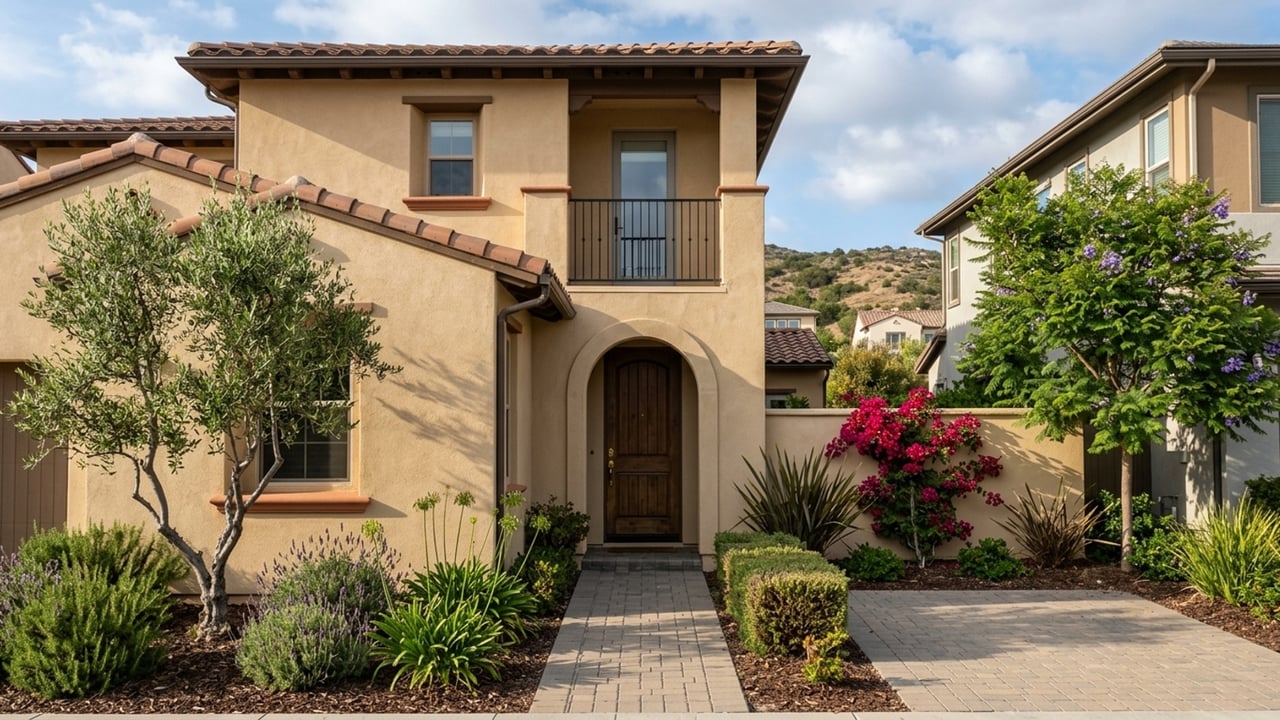
Housing remains the single largest expenditure in North County. In 2026, the starter home has effectively transitioned into the luxury condo or townhome segment, with prices often starting at $1,200,000. For detached single-family residences, the median sold price has pushed toward $2,100,000, with upgraded coastal listings in Leucadia and Cardiff-by-the-Sea frequently listing above $2,500,000.3
Rental Market: Inventory remains critically tight. A luxury one-bedroom rental averages $3,200, while three-bedroom family homes range from $6,000 to $8,500+ per month, depending on proximity to the ocean and architectural age.3
Utilities: Navigating SDG&E in 2026
Electric bills are often the most significant monthly surprise for new residents. Encinitas is served by San Diego Gas & Electric (SDG&E), which maintains some of the highest tier pricing parameters in the nation. To structure a balanced household budget, incoming buyers analyze three critical utility factors:1
- Peak Tier Pricing: Standard time-of-use operational rates commonly range from 45 to 55 cents per kWh during high-demand windows.1
- Solar Panel Integration: In 2026, integrating residential Solar PV frameworks stands as the highest return-on-investment property upgrade for local homeowners, effectively reducing monthly billing metrics down to connection fees.
- Electric Vehicle Integration: For the modern executive charging a luxury EV at home, daily charging patterns add roughly $150 to $250 monthly to your aggregate SDG&E overhead line.1
Food, Transportation & Daily Commodities
Expect a 10% to 15% premium on everyday groceries compared to the national baseline average, driven by transport logistics and the quality metrics of local suppliers. Sourcing household staples at premium regional venues like Whole Foods, Lazy Acres, or Cardiff Seaside Market provides top-tier organic inventory options, but increases standard grocery row expenses.1
Transportation Factors: While specific historic pockets of Encinitas are highly pedestrian-friendly, navigating the wider North County coastal geography requires a personal vehicle. Fuel price marks in 2026 hover consistently between $5.20 and $5.80 per gallon across the 101 path. For corporate commuters traveling south into central San Diego business hubs, utilizing the NCTD Coaster commuter rail system out of the downtown Encinitas station provides a scenic, traffic-free alternative to the standard morning bottlenecks along the Interstate 5 corridor.1
The Hidden Costs: Mello-Roos & Special Assessments
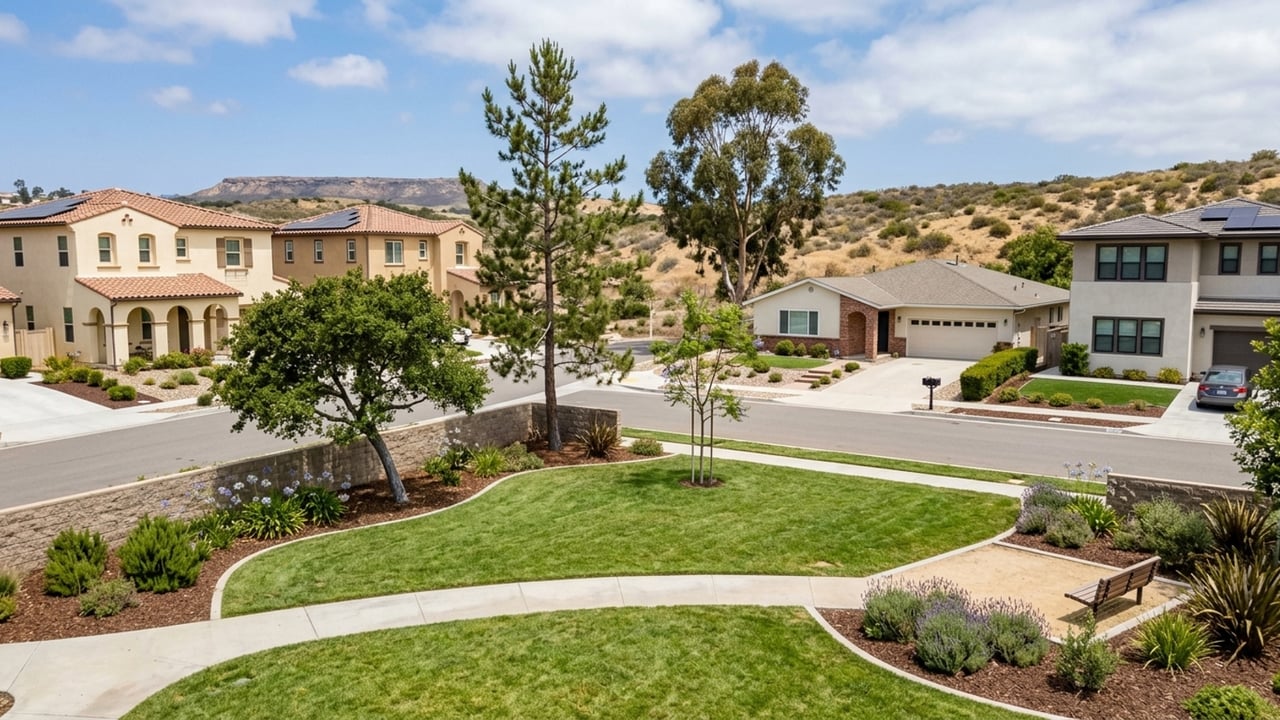
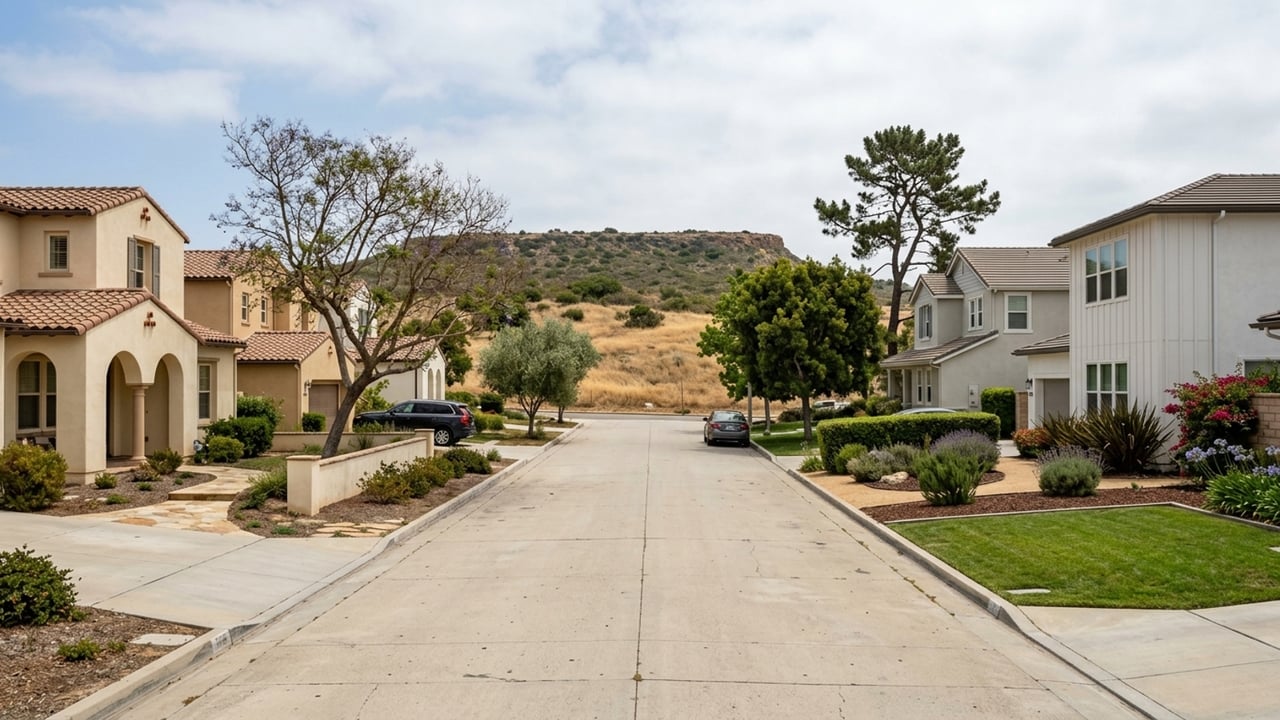
When budgeting for active homes for sale in Encinitas, real estate buyers must account for special tax assessments and property management lines that lie outside standard base listings. Modern master-planned developments, such as specific custom blocks inside Encinitas Ranch, carry Mello-Roos supplemental tax bonds. These bonds are leveraged to build neighborhood public parks, roadways, and schools, and they can add thousands of dollars to your annual county property tax bill.1,3
Furthermore, attached properties west of the freeway or single-family compounds inside planned unit developments (PUDs) carry mandatory monthly HOA dues. In premium coastal locations, monthly HOA costs range from $300 to $700 or more, covering essential elements like common area building insurance, landscape upkeep, shared security systems, and bluff erosion engineering safeguards.1,3
Frequently Asked Questions About Encinitas Costs
Is Encinitas an expensive place to live inside San Diego County?
Yes, Encinitas carries a premium cost of living, tracking roughly 75% above the average national index. This premium is driven by single-family detached home median prices resting at $2,100,000, along with national-peak electricity rates managed through SDG&E. These items are balanced by exceptional community safety marks and long-term equity stability.1,3
What is the primary zip code layout for the city of Encinitas?
The core zip code anchoring the coastal real estate footprint, including downtown Encinitas, Leucadia, and Cardiff-by-the-Sea, is 92024. Sourcing homes inside 92024 places owners near core beaches, Highway 101 amenities, and train stations.1,3
How do Mello-Roos taxes affect homes for sale in Encinitas?
Mello-Roos assessments are supplemental property tax bonds established across newer master-planned custom tracts, such as areas within Encinitas Ranch. These lines fund local civic infrastructure and vary by parcel lot, so real estate buyers must verify exact tax parameters during escrow due diligence.1,3
What are the typical public school options serving Encinitas residents?
Elementary students attend top-rated neighborhood schools within the Encinitas Union School District (K-6). Middle and high school students filter into the highly acclaimed San Dieguito Union High School District (SDUHSD), utilizing academies like San Dieguito Academy or Torrey Pines High School.2
Is Encinitas Right for Your Portfolio?
Consult with Luxury Broker Amy Green
Deciding to purchase a home in Encinitas is a direct investment in your daily wellness and long-term asset equity. Sourcing a coastal residence requires local market expertise and an accurate understanding of North County tax rules. Connect with premier neighborhood specialist Amy Green at Compass to guide your Southern California move with distinction. Office Location: 6015 Lomas Santa Fe Drive, Solana Beach, CA 92075.
Sources
1. San Diego Association of Governments (SANDAG) Regional Economic Profile and Municipal Database Index (June 2026 Audit): documents cost indexes, utility service bounds, transit timelines, and fuel metrics for North County.
2. California Department of Education & San Dieguito Union High School District Enrollment Records (May 2026 Release): verifies K-12 public feeder pathways, funding models, and regional private academy tuitions.
3. Sandicor Regional Multiple Listing Service (MLS) Home Sales Ledger (Quarter 2 2026 Close): authenticates single-family residential median values, townhome entry floors, rental yields, and zip code 92024 inventory months.
4. California Coastal Commission Bluff Infrastructure & Environmental Protection Survey (January 2026): tracks beach access coordinates, staircase safety grids, and wave erosion parameters for Moonlight Beach and Fletcher Cove lines.