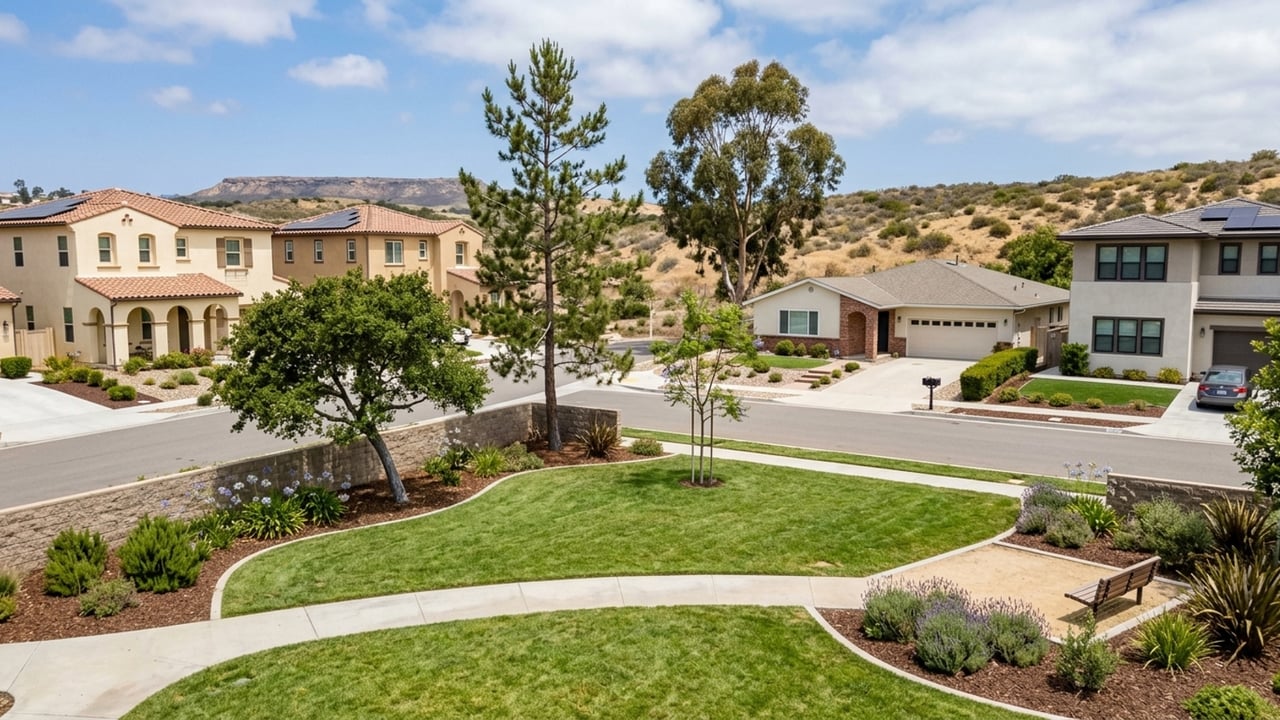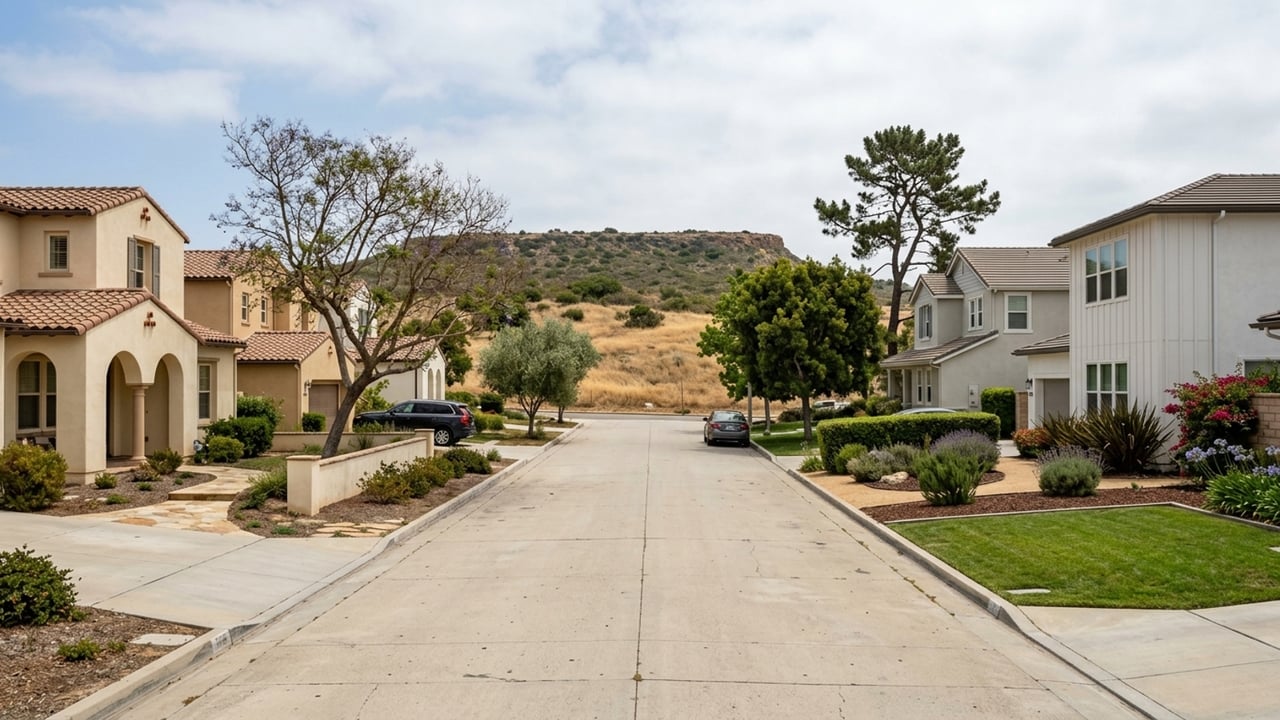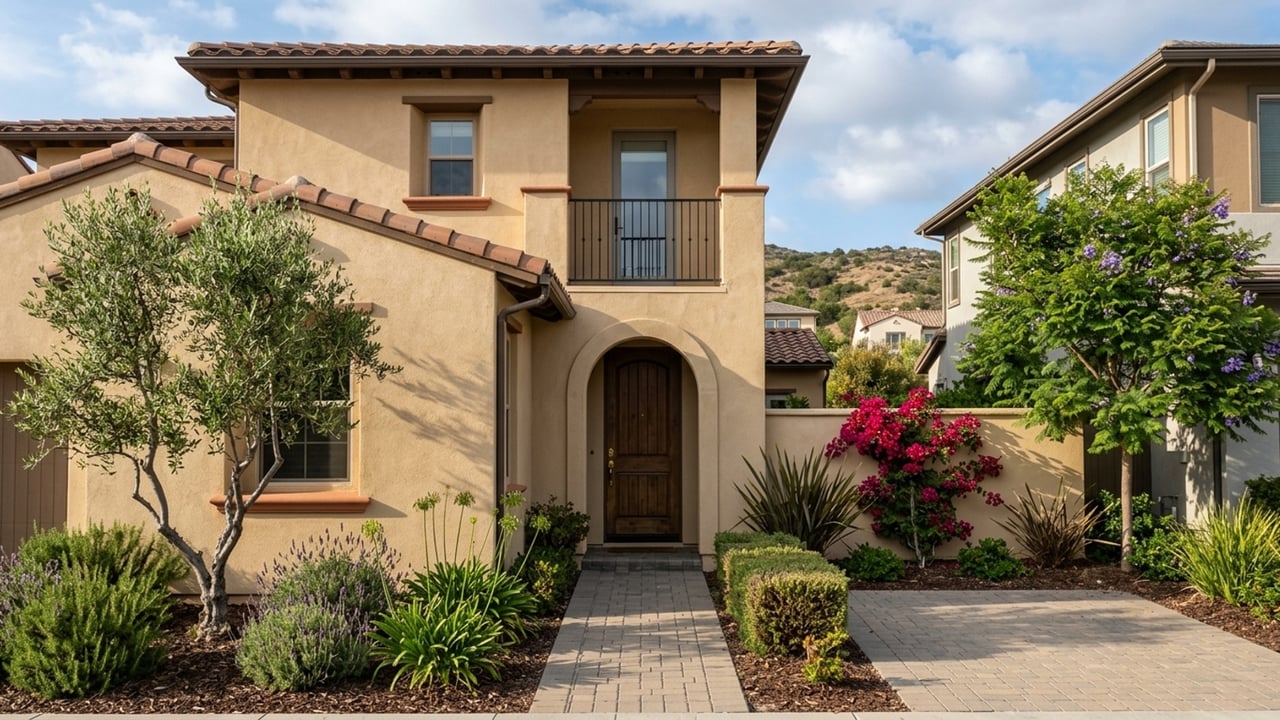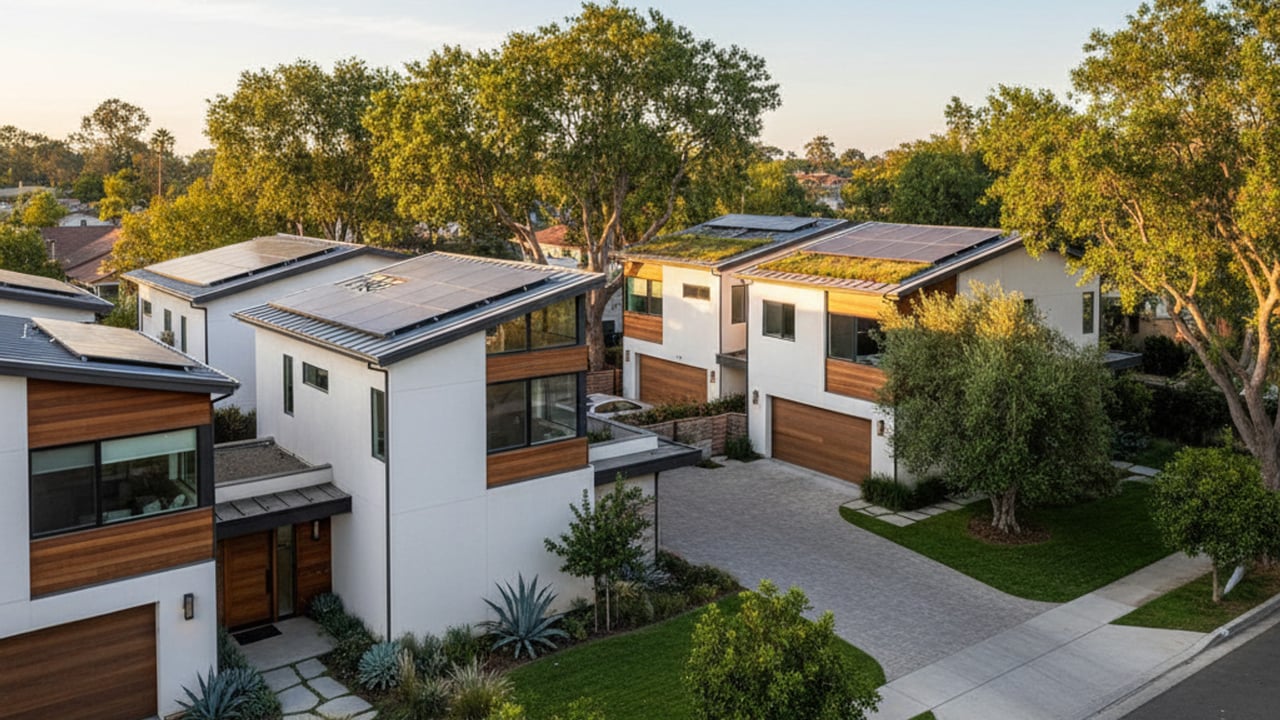
Entering the coastal Southern California housing market requires preparation and a clear understanding of local dynamics. Carlsbad offers a distinct mix of coastal access, extensive municipal infrastructure, and varied housing types across its distinct zip codes.
Purchasing a property here means competing in a high-demand environment where thorough financial planning is mandatory. Understanding local pricing thresholds and securing the right assistance programs can make the difference between a successful purchase and a missed opportunity.
Navigating the Carlsbad Real Estate Market for the First Time
The initial phase of purchasing a property always begins with assessing your financial baseline. Prospective buyers must review their credit scores, calculate their debt-to-income ratio, and interview a local real estate agent who understands the nuances of the North County market.
A knowledgeable agent will help you navigate the highly competitive landscape of this coastal region. They provide crucial insights into pricing strategies and off-market opportunities that are not visible on public listing portals.
Securing a mortgage pre-approval is an absolute necessity before touring any properties. With the citywide median home price hovering around $1,400,000 in 2026, sellers expect buyers to present fully documented financial backing from day one.
Skipping the pre-approval step is the fastest way to lose out on a property, as listing agents simply will not entertain unverified offers in this pricing tier.
Entry-Level Properties in Key Zip Codes
Single-family homes often sit at the top of the price spectrum, making condominiums and townhomes the most viable entry-level options. These attached properties typically range from $700,000 to $1,100,000, depending on square footage and proximity to the ocean.
Inventory varies significantly across the city's primary zip codes. The coastal 92008 area features older, highly sought-after condo complexes, while the inland 92009 and southern 92011 sectors offer newer townhome developments with larger footprints.
Many modern townhomes in the eastern zip codes feature attached garages and energy-efficient building materials. These structural benefits often offset the higher purchase price by lowering long-term utility costs.
Buyers must carefully factor monthly HOA fees into their debt-to-income ratio calculations. A high HOA fee can drastically reduce your overall purchasing power and limit the base price you can qualify for.
San Diego County Down Payment Assistance Programs
Accumulating a standard down payment is often the largest hurdle for new buyers in Southern California. Fortunately, regional financial aid programs operate across San Diego County to help bridge the gap to homeownership.
Beyond the down payment, buyers must also account for substantial closing costs that accompany a CA real estate transaction. These expenses cover appraisal fees, title insurance, and local transfer taxes.
Eligibility for these funds generally relies on area median income limits set by the state and county. Prospective applicants must also complete a mandatory homebuyer education course to ensure they understand the long-term financial commitments of a mortgage.
Leveraging the CalHFA MyHome program, which provides 3% to 3.5% of the purchase price as a deferred loan, is a highly strategic move for buyers trying to preserve their liquid cash.
SDHC and CalHome Grants and Loans
Specific assistance is also routed through the San Diego Housing Commission and the state-level CalHome program. These initiatives utilize a deferred payment loan structure that requires no monthly payments until the property is sold or refinanced.
Processing times for these government-backed initiatives can extend your escrow period by several weeks. Buyers must communicate these timelines clearly to sellers when submitting an initial purchase offer.
These programs provide substantial capital for moderate and low-income buyers who meet the strict qualification criteria. Navigating the application process requires attention to specific funding caps and interest terms:
-
Down payment assistance can cover 17% to 22% of the total purchase price.
-
Closing cost assistance grants are available for up to $10,000.
-
Deferred loans typically accrue simple interest at a rate of approximately 3% annually.
Transportation Infrastructure and Commuting
Evaluating transit routes is a critical component of selecting a property in North County. Residents commuting to central San Diego employment hubs primarily rely on Interstate 5 and Highway 78 for daily travel.
Highway 78 serves as the primary east-west artery linking coastal properties to inland commercial centers. Navigating this route during the late afternoon requires patience, as regional commercial traffic heavily impacts the corridor.
Freeway congestion during peak morning and evening traffic windows significantly impacts travel times. Buyers should always test their specific commute route during rush hour before finalizing a home purchase.
Assuming a weekend drive time reflects the weekday reality is a major mistake that can lead to immediate buyer remorse regarding location.
Riding the Coaster to Downtown San Diego
The Coaster commuter rail serves as a highly efficient alternative to freeway driving. Passengers can access the rail system through dedicated parking facilities at both the Carlsbad Village and Carlsbad Poinsettia stations.
Both local stations offer extensive parking lots, though spaces fill rapidly during the early morning commuter rush. Securing a spot often requires arriving well before the scheduled departure time.
Typical Coaster ride times from these stations to downtown San Diego run about 35 to 60 minutes in 2026. The predictability of the train schedule offers a stark contrast to the daily fluctuations of I-5 traffic.
Upon arriving at the Santa Fe Depot downtown, the rail system integrates directly with the MTS trolley network. This seamless connection allows commuters to reach major commercial districts without ever needing a personal vehicle.
Local Amenities and Community Infrastructure
The physical layout of the city provides residents with immediate access to significant municipal recreation centers. Alga Norte Community Park serves as a central hub, featuring an aquatic center, expansive sports fields, and dedicated dog parks.
Coastal corridors provide multiple public access points to Carlsbad State Beach. Paved pedestrian walkways run alongside the coastline, connecting the northern village area to the southern city limits.
Educational facilities are distributed evenly throughout the local geography. The Carlsbad Unified School District encompasses approximately 16 schools, serving neighborhoods from the coastal highway to the eastern municipal boundary.
Commercial infrastructure is robust, with multiple retail centers distributed along major arterial roads. Residents have immediate access to grocery stores, medical facilities, and professional services without leaving the municipal boundaries.
Proximity to these established municipal amenities consistently supports long-term property values, making homes near major parks and beaches excellent long-term investments.
First-Time Home Buyer FAQs
Is California giving $150,000 for first-time home buyers?
The California Dream For All program does offer shared appreciation loans up to $150,000 or 20% of the purchase price. However, in 2026, this program operates on a highly competitive lottery system rather than guaranteed funding. Buyers must have their pre-approvals ready and enter the state portal during the specific open enrollment windows.
What is the Carlsbad first-time home buyer program?
The city itself does not manage a standalone municipal loan fund for property purchases. Instead, local buyers utilize regional resources administered by San Diego County and the San Diego Housing Commission. These county-wide programs provide the deferred loans and closing cost grants applicable to properties within the city limits.
How do I qualify for a first-time home buyer program in California?
Qualification hinges on strict area median income limits and meeting minimum credit score requirements set by the specific lender. Additionally, applicants must not have owned a primary residence in the past three years to meet the legal definition of a first-time buyer. Completing a state-approved homebuyer education course is also a mandatory step.