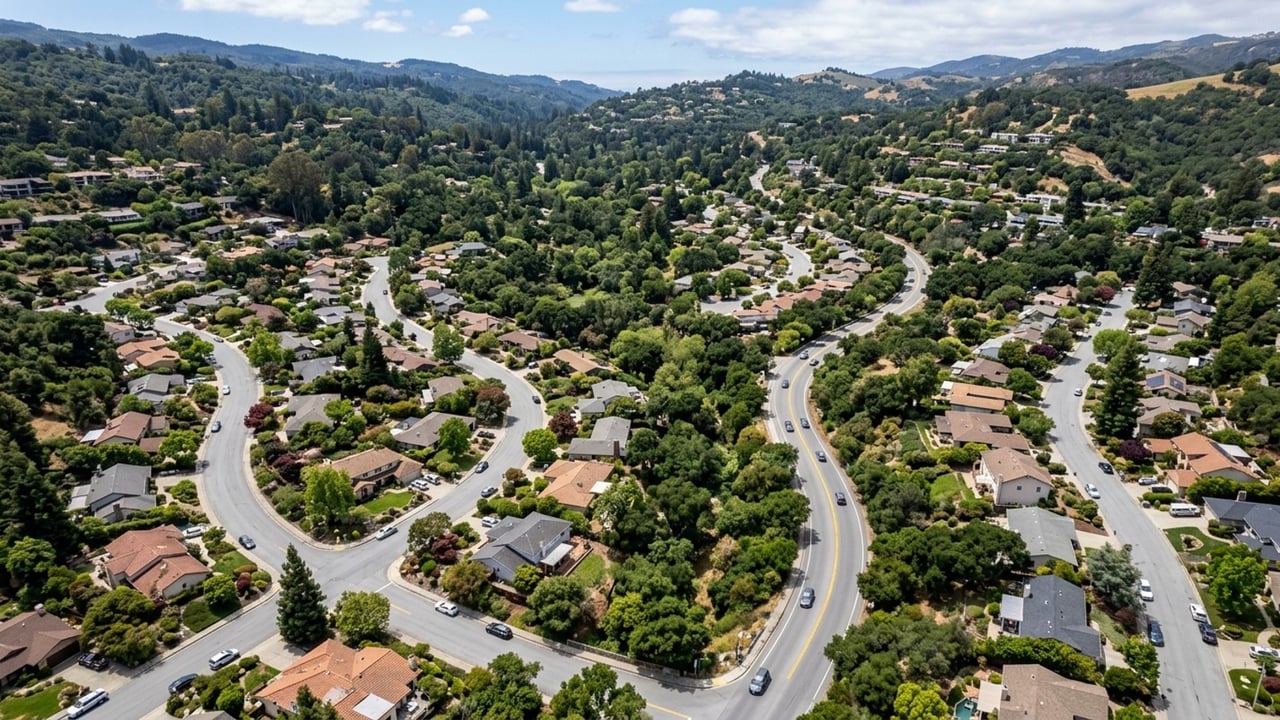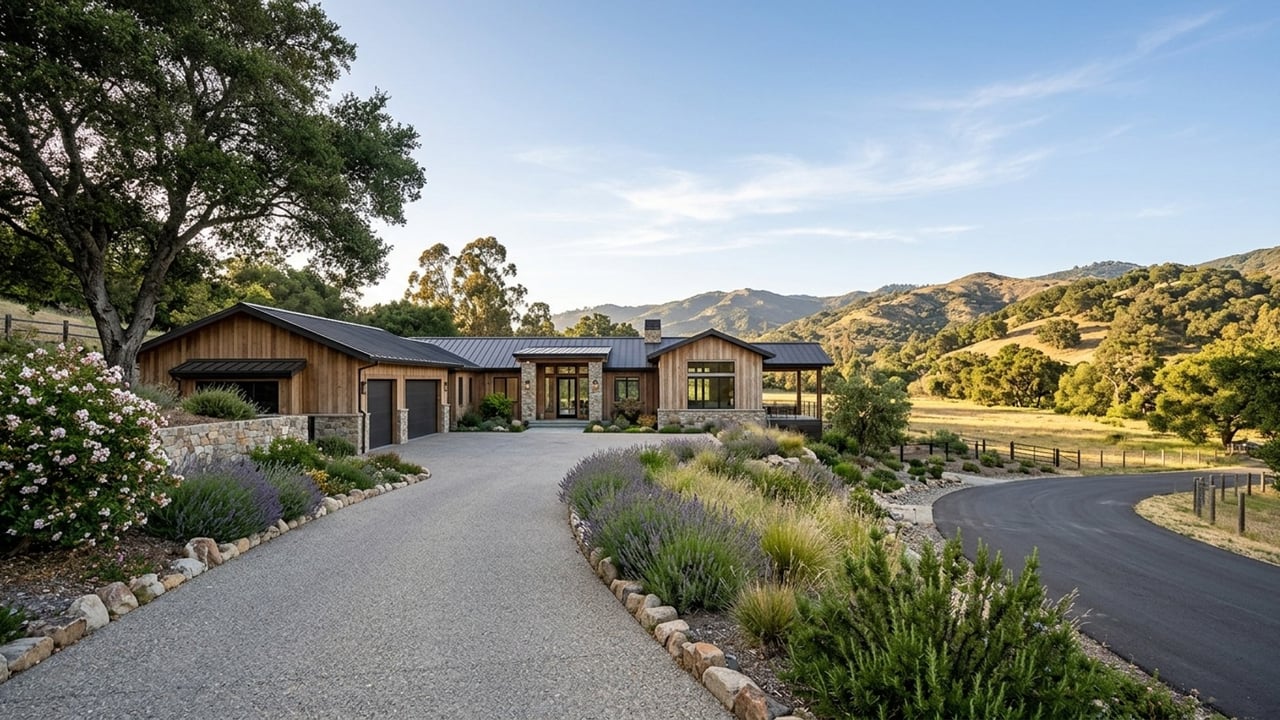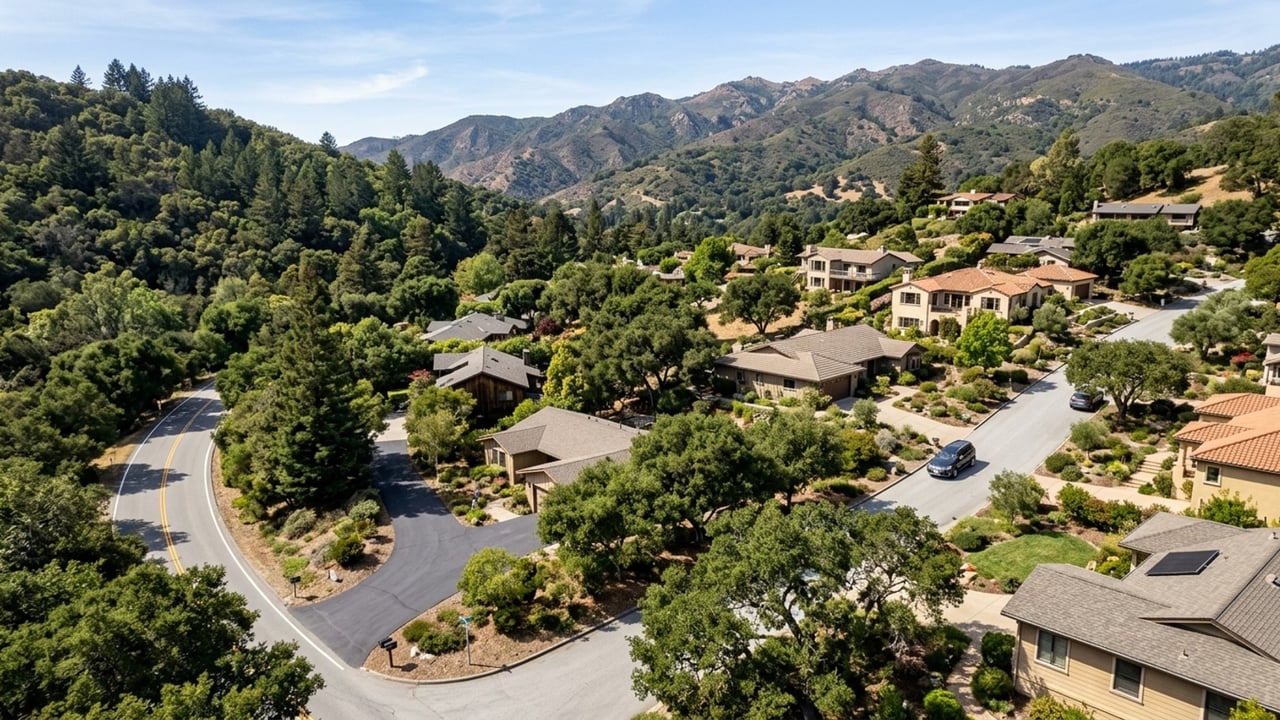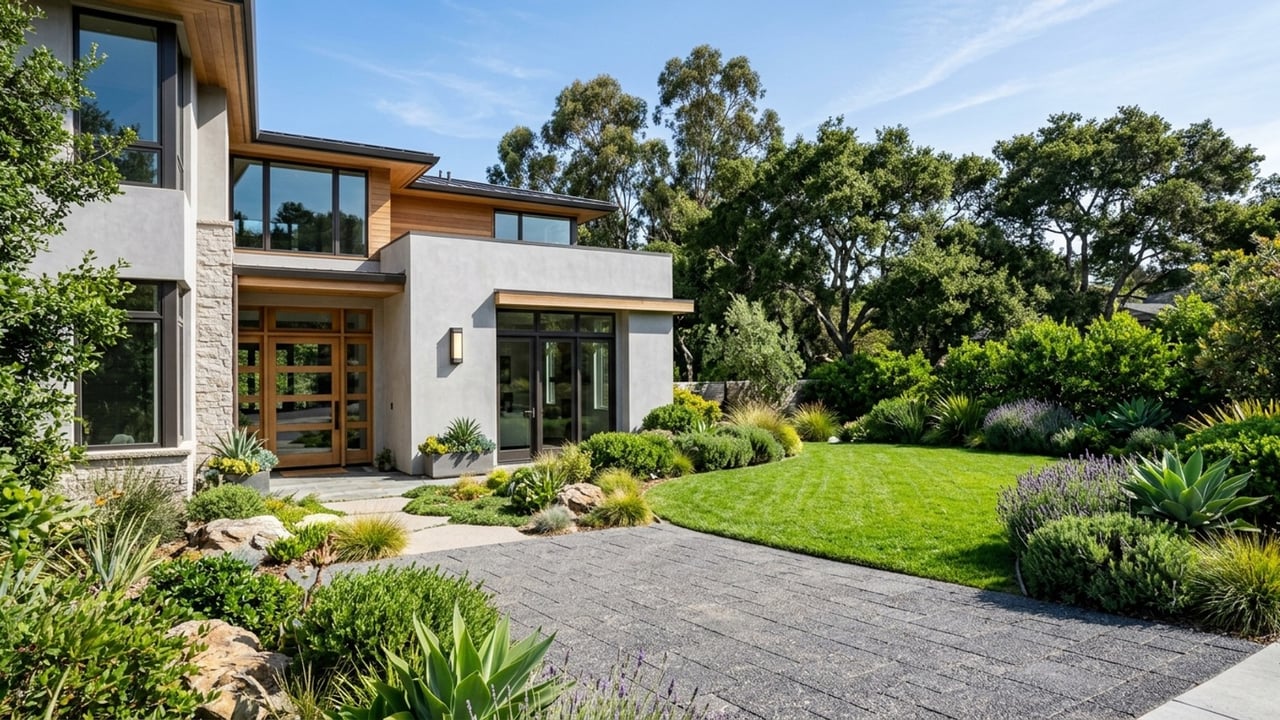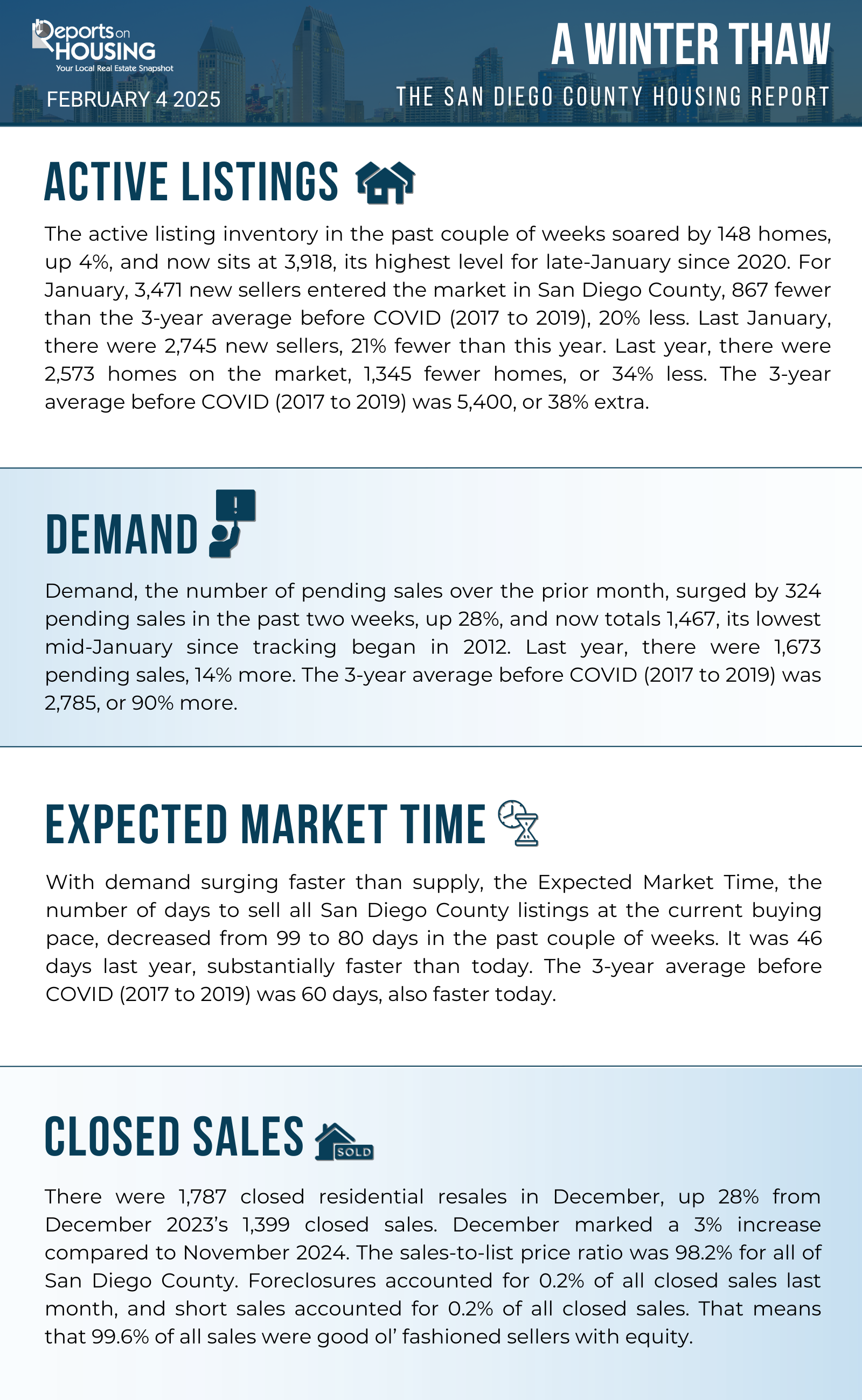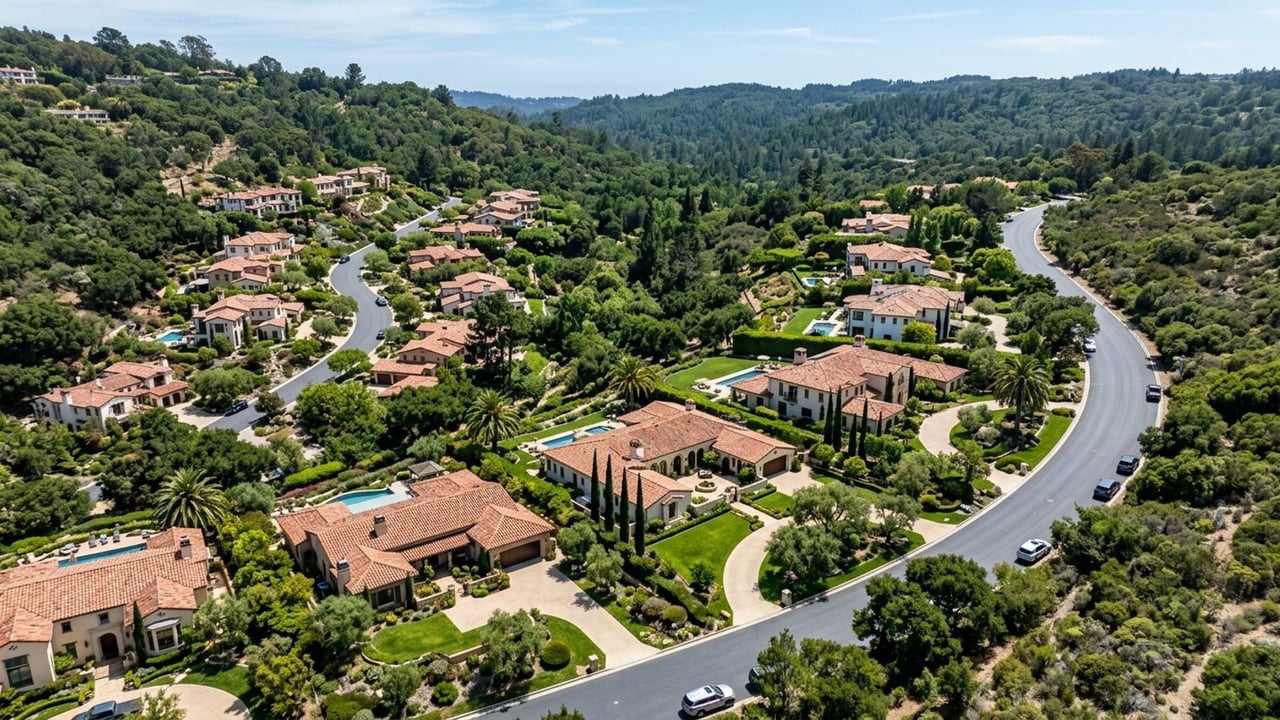
The median sale price for a home in Carmel Valley, CA, sits at roughly $2,179,242. Inventory is hovering around 69 homes, and properties are spending just 17 days on the market. That's a fast environment, especially for first-time home buyers in Carmel Valley, CA. An exact spending limit keeps you focused on homes you can actually buy before you walk through a single door.
Your purchasing power depends on your total monthly carrying costs, not just the sticker price. Lenders use specific formulas to qualify borrowers, and your personal budget also needs to account for the local expenses unique to San Diego County.
Calculating Your Home Buying Budget in Carmel Valley
Lenders evaluate your financial profile using a set of standard debt and income metrics - comparing your gross monthly income against your recurring monthly debts to determine your maximum loan amount.
Your gross income includes all pre-tax earnings from salary, bonuses, and verifiable side businesses. On the debt side, lenders count car payments, student loans, minimum credit card payments, and the projected mortgage payment on the home you're trying to buy.
The 28/36 Rule for Mortgages
Many financial institutions use the 28/36 rule to set baseline borrowing limits. The first number - 28% - is the maximum percentage of your gross monthly income that should go toward housing expenses, meaning principal, interest, property taxes, and homeowners insurance combined.
The second number, 36%, is the ceiling for all debt obligations combined. If your total debt exceeds that threshold, lenders may require a larger down payment or a lower purchase price before they'll approve the loan.
Figuring Out Your Debt-to-Income Ratio
Your debt-to-income ratio, or DTI, is the exact calculation lenders use to apply that 36% limit. Divide your total monthly debt payments by your gross monthly income and you have it.
Different loan products have different hard caps on DTI. Some conventional and government-backed loans will allow a DTI above 36%, but keeping your ratio lower gives you a real cushion for unexpected expenses - and for the lifestyle choices that tend to get squeezed when a mortgage is too tight.
Local Carrying Costs in San Diego County
A mortgage payment is more than just paying back the bank. Property taxes, insurance premiums, and neighborhood fees all belong in your monthly housing budget from day one.
Miss these and your budget can stretch fast, especially at this price point. Lenders will include estimated carrying costs in your DTI calculation during underwriting anyway - so you might as well see the real number before you fall in love with a house.
San Diego County Property Taxes
San Diego County's effective property tax rate generally falls around 1.1% to 1.25%. That figure combines the 1% base rate established by Proposition 13 with voter-approved bonds and local assessments.
Because taxes are tied to the purchase price, a home near Carmel Valley's $2.17 million median generates a meaningful annual bill. Divide that estimated annual total by twelve and add it to your projected monthly housing costs - don't leave it as an afterthought.
Homeowners Insurance and HOA Dues
Insurance premiums depend on the property and coverage limits. A recent LendingTree report shows California homeowners pay an average of $1,413 annually - roughly 41% below the national average, which is one of the few genuine cost advantages buyers here get to enjoy.
HOA fees are another line item entirely, and they vary widely. Carmel Village, for example, carries a monthly fee of $98, while California statewide averages run between $300 and $400. Whatever community you're considering, those dues are mandatory and they belong in your affordability math.
Financing Options and Down Payments
A traditional 20% down payment on a median-priced Carmel Valley home exceeds $435,000. Bringing that much cash to closing eliminates the need for private mortgage insurance (PMI), but plenty of buyers work with different financing structures - and that's fine, as long as you understand the tradeoffs.
Your loan type and down payment amount directly shape your monthly obligation. There are regional assistance programs worth knowing about, and interest rates are worth watching closely.
Interest Rates and Monthly Payments
Current mortgage rates determine the cost of borrowing the principal. Even a half-percent change in your rate moves the needle significantly on a million-dollar loan - it's not a rounding error.
Once you find a favorable term, secure a rate lock. A lower rate keeps the monthly payment manageable and lets you qualify for a higher purchase price under the lender's DTI limits.
California Down Payment Assistance Programs
Several regional and state programs exist to help buyers manage upfront costs. The San Diego Housing Commission (SDHC) offers a First-Time Homebuyer Program that assists with single-family homes, townhomes, or condos.
At the state level, the California Housing Finance Agency (CalHFA) offers the MyHome Assistance Program - a deferred-payment junior loan up to 3% to 3.5% of the purchase price, applicable to down payment or closing costs. You can pair it with the CalHFA Zero Interest Program (ZIP) for additional closing cost support. These programs aren't magic, but they're real and they're worth a conversation with your lender.
Frequently Asked Questions
What salary do I need to make to afford an average single-family home in Carmel Valley, CA?
It depends on your down payment and interest rate. With a median sale price around $2.17 million, buyers typically need a substantial six-figure household income to qualify. Your lender will calculate the specific requirement using your debt-to-income ratio.
How much do Mello-Roos taxes and HOA fees typically add to a monthly mortgage payment in Carmel Valley?
It varies by neighborhood and property type. San Diego County property taxes average 1.1% to 1.25%, which includes local bonds and assessments. HOA fees can range from under $100 - Carmel Village charges $98 a month - up to $400 for communities with more extensive amenities.
Do I really need a 20% down payment to get my offer accepted on a Carmel Valley house?
No. Buyers can secure financing with lower down payments through conventional or government-backed loans. Putting down less than 20% usually means paying private mortgage insurance (PMI), so factor that into your monthly cost comparison.
Are condos and townhomes in Carmel Valley more affordable when factoring in their higher HOA costs?
Generally, yes. The lower purchase price typically offsets the higher monthly HOA dues compared to single-family homes. That said, run the numbers on specific listings - total monthly obligation is what matters, not purchase price alone.
What happens if I only qualify for a conventional loan but the Carmel Valley home I want requires a jumbo loan?
You'll need to increase your down payment to cover the difference. Conventional loan limits cap how much you can borrow, and if the loan amount exceeds that cap, you either secure a jumbo loan or bring enough cash to closing to bring the principal within the limit.
How long does a mortgage pre-approval stay valid while I search for a house in the competitive Carmel Valley market?
Most pre-approvals are valid for 60 to 90 days. With homes in Carmel Valley currently selling in about 17 days, you want an active pre-approval in hand before you start touring - not after. If it expires during your search, ask your lender to renew it.