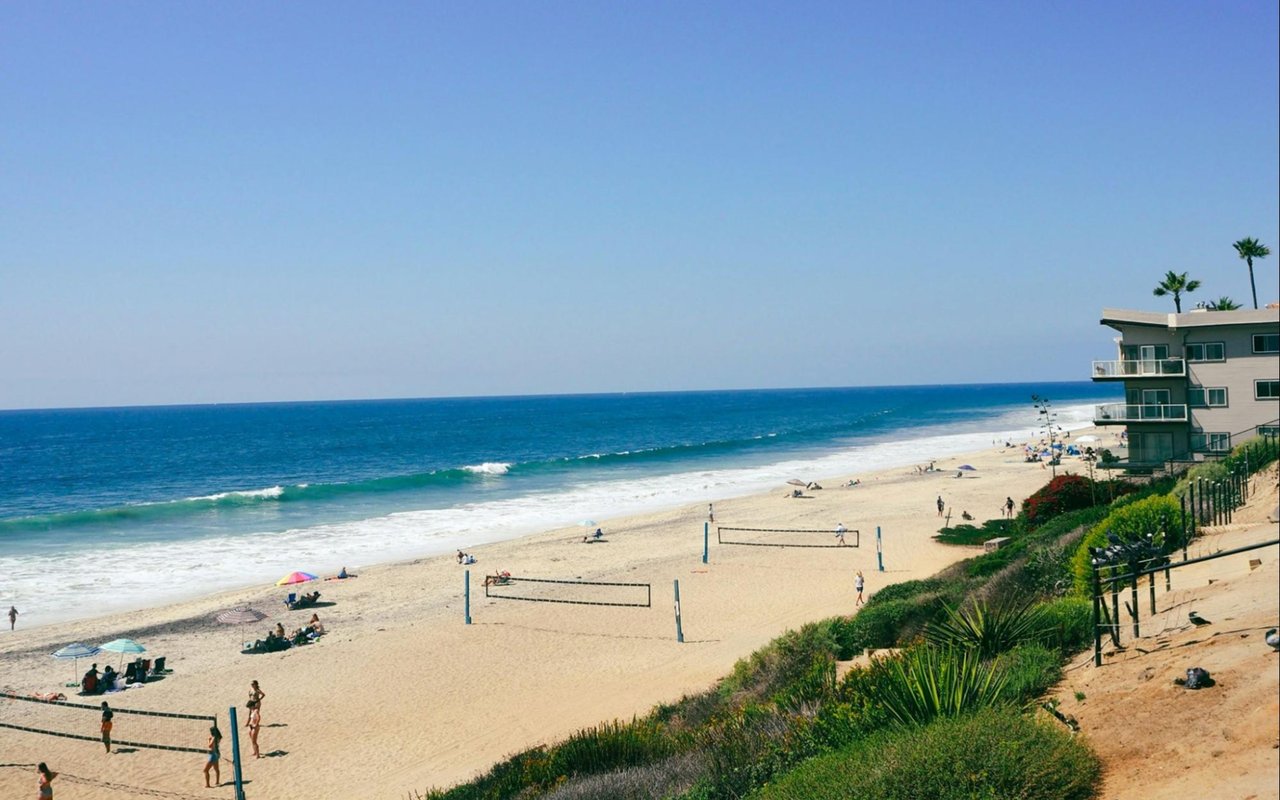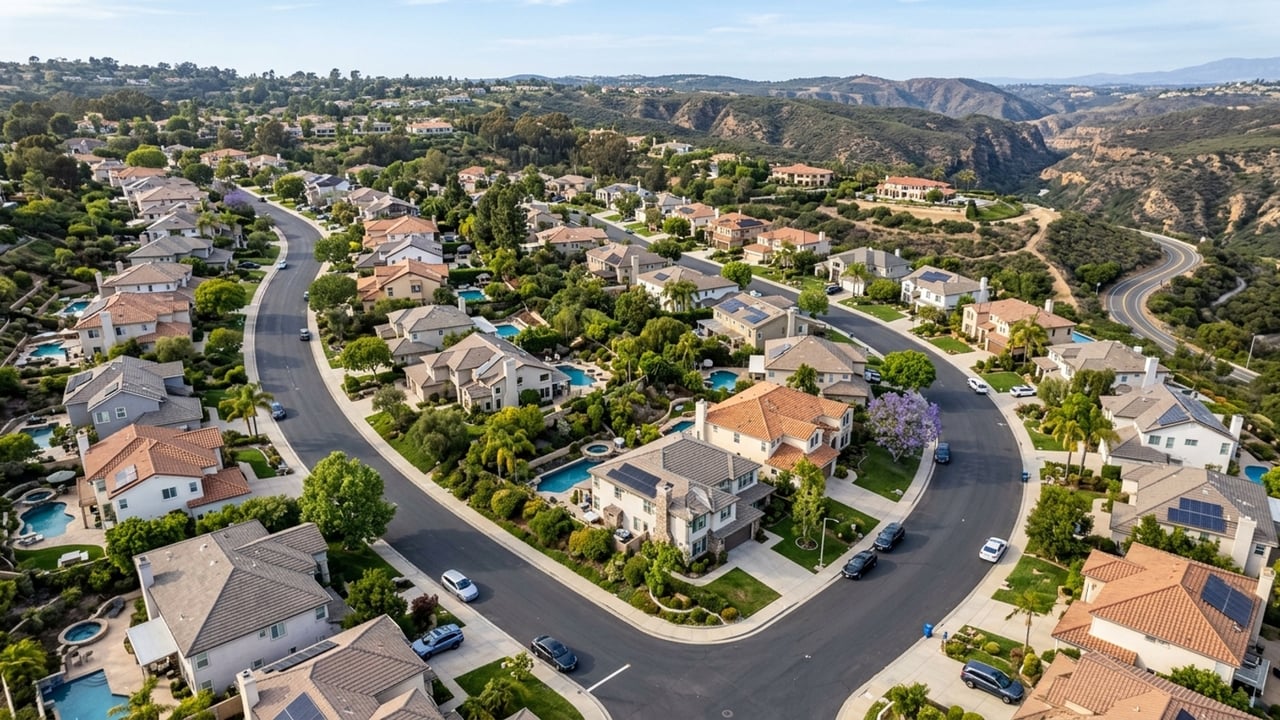
Encinitas is a coastal city in North County San Diego where daily life tends to orbit around the ocean, the 101 corridor, and the I-5 commute spine. It’s laid-back in feel but not sleepy: mornings can mean a surf check and coffee, afternoons mean errands east of the freeway, and evenings often drift back toward the coast and sunset when you buy a home in Encinitas.
Buying a Home in Encinitas, CA
What’s the market doing right now in Encinitas?
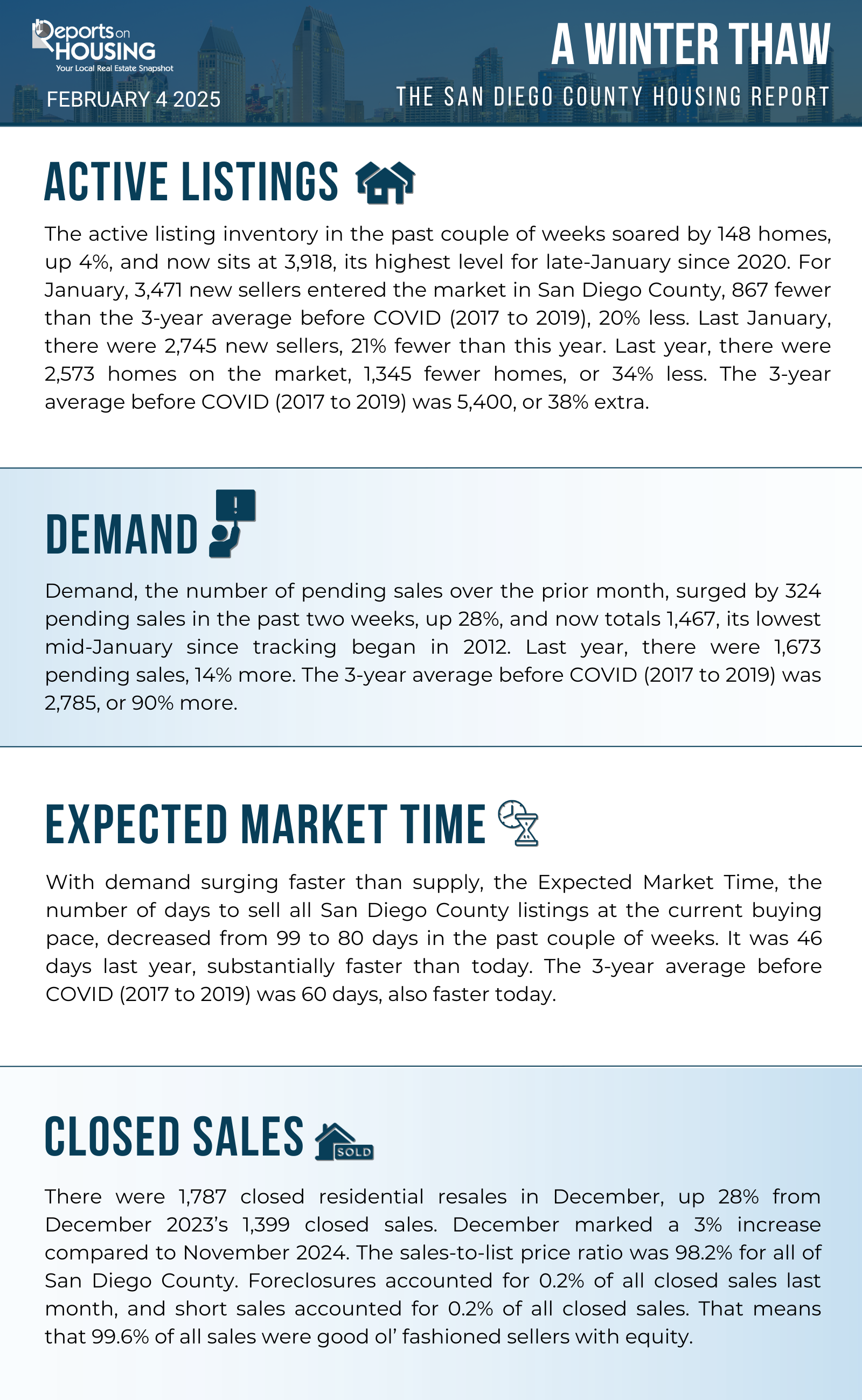
As of November 2025, Encinitas’ median sale price was $1,938,000 (down 9.44% year-over-year), with a median 45 days on market and 40 homes sold that month; the sale-to-list price was 97.4%. Those numbers point to an Encinitas housing market where pricing and condition still matter a lot, even when demand is steady.
What contingencies are most common in Encinitas purchases?
Most buyers use the standard California contingency “stack”: inspections, appraisal, loan, and title review, with timing negotiated in the offer. In coastal Encinitas, it’s also common to add targeted inspections (like drainage, decks/balconies, and pest/wood-destroying organisms) because salt air and older construction details can hide expensive surprises. If the home is hillside or has retaining walls, a closer look at grading and drainage is a practical add-on.
How competitive do offers get, and what actually helps a buyer win?
Encinitas tends to reward clean terms more than flashy tactics: clear financing, reasonable contingency windows, and proof you can close on time. A strong offer also reads the micro-location correctly (quiet street vs. through-traffic, ocean exposure, school boundary implications, and proximity to rail/101). When multiple offers happen, the winning package is usually the one with the fewest “unknowns,” not necessarily the highest first number.
What should buyers know about HOAs in Encinitas?
HOAs show up most often in condos/townhomes and some planned inland tracts; coastal single-family neighborhoods are frequently non-HOA but that’s not a rule. If there’s an HOA, review the CC&Rs, budget, reserves, and any pending litigation early, since those items can affect financing and future costs. I also tell buyers to scan the rules for rental limits, parking, and exterior changes, because those are the surprises that create regret later.
Are flood, wildfire, or coastal hazards part of the purchase paperwork here?
They can be, depending on the exact pocket of Encinitas. Some coastal and lagoon-adjacent areas raise flood considerations, while inland can bring higher wildfire-related scrutiny from insurers and lenders. Treat hazard disclosures and insurance quotes like a due-diligence item, not a last-week scramble—especially for older homes, canyon edges, or anything with a view lot.
Selling a Home in Encinitas, CA
When is the best time of year to list in Encinitas?
Encinitas has year-round buyer traffic compared with many inland markets, but seasonality still exists. Spring often brings more active touring and cleaner presentation weather, while late summer and early fall can work well for sellers who want fewer competing listings. The better rule is: sell your Encinitas home when it is fully ready, because coastal buyers notice “almost done” work immediately.
What prep moves the needle most for a coastal Encinitas listing?
Clean, bright, and low-maintenance almost always beats trendy. Fresh paint, tidy landscaping, and making outdoor areas feel usable (even if it’s just a small patio or balcony) tend to photograph well and translate to stronger first impressions. If there’s ocean air exposure, addressing obvious corrosion, weathered wood, or tired exterior hardware can prevent a buyer from mentally inflating repair costs.
What disclosures do Encinitas sellers commonly deal with?
California requires robust disclosure, and coastal properties often add a few “extra attention” topics: drainage history, past water intrusion, roof age, deck/balcony condition, and any known issues tied to grading or retaining walls. If you’ve done work without permits (even minor), it’s better handled directly and factually than left to be discovered during escrow. A clean, organized disclosure package is part of the product here.
How do you think about pricing bands across Encinitas?
Encinitas isn’t one market; it’s several. Coastal walkability, ocean influence, and view orientation can shift value quickly, while inland price behavior often tracks school boundaries, lot usability, and freeway access. The most common pricing mistake I see is using “citywide” comps when the buyer pool is really shopping a specific pocket (or even a few streets).
What repairs or credits come up most often in negotiations?
The usual suspects are roof life, HVAC performance, pest findings, and anything that hints at moisture—especially around windows, decks, and older plumbing. In some properties, electrical panels and aging water heaters become discussion points. Sellers don’t always need to fix everything, but they do need a plan: repair, credit, or price positioning that keeps the deal moving.
Encinitas, CA Market Insights
How do property taxes generally work in Encinitas?
Encinitas follows California’s property tax framework: the base rate is set at the county level and the final bill varies by parcel due to local assessments and bonds. Your purchase price becomes the new assessed value (with limited annual increases afterward under state rules), which is why neighbors on the same street can have very different tax bills. The cleanest way to estimate is to look at the current tax bill for the specific property and then model the reassessment at your purchase price.
Is there a transfer tax in Encinitas?
Transfer taxes in California can be a mix of county and city charges, and the exact amount depends on how the local ordinances apply to the transaction. In practice, transfer tax is usually a line item that escrow will calculate precisely, and it’s not typically the biggest cost driver compared with commissions (for sellers) or lender costs (for buyers). If you’re comparing multiple properties, treat transfer tax as a predictable closing item, not a deciding factor.
What are “typical” closing costs for buyers and sellers here?
Closing costs vary mostly by financing and deal structure. Buyers often see lender fees, escrow, title insurance, prepaid interest, and prorations; sellers often see escrow/title items, transfer-related charges, and negotiated repairs or credits. Instead of focusing on a generic percentage, it’s more useful to ask for a net sheet or fee worksheet early, because Encinitas price points can make small rate changes meaningful.
What should homeowners expect around insurance in coastal North County?
Insurance is increasingly property-specific: age, roof type, prior claims, wildfire scoring, and even replacement-cost modeling can change availability and premiums. Coastal exposure can add wind and moisture considerations, while inland can raise wildfire-related friction depending on the exact location. A smart move is to quote insurance during the inspection window, not after contingencies are removed.
Are utilities “higher” in Encinitas?
They can be, but the biggest driver is the home itself—size, insulation, HVAC type, pool/spa equipment, and how much you cool or dehumidify. Coastal homes sometimes run lower A/C but may manage humidity differently; inland homes can see higher cooling demand in warm stretches. If you want realism, ask the seller for 12 months of usage history rather than relying on averages.
Living in Encinitas, CA
What are the main neighborhoods and communities inside Encinitas?
Encinitas is commonly described as a set of distinct neigborhoods that joined into one city, and the vibe changes noticeably as you move around.
Leucadia is tied closely to the North 101 corridor and a mix of older lots and newer infill.
Cardiff-by-the-Sea has a defined coastal identity and planning framework under the Cardiff-by-the-Sea Specific Plan
Olivenhain is known for a more rural pattern and larger-lot feel described in an Olivenhain community overview.
Old Encinitas aligns with the coastal commercial area addressed for a more traditional “downtown” core.
New Encinitas often centers around the commercial corridor and redevelopment concepts.
Which school districts serve Encinitas, and how do boundaries work?
School assignment in Encinitas depends on the address, and boundaries can shift over time based on enrollment and planning. The most reliable approach is to use the district boundary and enrollment tools for the specific address you’re considering and confirm directly with the district before removing contingencies. If school assignment is a must-have, treat it like a verification step—similar to permits or HOA docs—because assumptions can backfire.
How is commuting around Encinitas?
Most daily commuting patterns run north-south along I-5 and east-west via Encinitas Boulevard and Leucadia Boulevard, with congestion building during classic peak hours. Rail can be an option for some schedules, but for many residents, the practical reality is a car-first lifestyle with strategic timing. If you’re new to North County, it’s worth test-driving your commute at the time you’d actually travel.
Is Encinitas walkable?
Walkability is very pocket-specific. Some areas near the 101 corridor, downtown Encinitas, and parts of Cardiff/Leucadia support errands on foot, while many inland areas function more like classic suburban patterns. When I’m helping someone understand walkability, I focus less on a general score and more on slope, crossings, and whether the route feels comfortable at the times you’d actually use it.
What’s the right way to think about safety in Encinitas?
Safety in Encinitas is best evaluated with neutral, verifiable sources and your own day-to-day tolerance for activity levels, traffic, and property risk. Instead of relying on rumor or broad city comparisons, look at objective info like official public safety updates, recent incident logs where available, and the immediate block conditions (lighting, visibility, and foot traffic). If you want a practical view, visit at different times of day and note what changes.
What permits are typically needed for renovations in Encinitas?
Most structural work, major mechanical changes (electrical/plumbing/HVAC), and additions usually require permits and inspections, and coastal properties can add extra layers depending on location and scope. The simplest way to avoid expensive rework is to confirm permit requirements before starting design, not after contractors are lined up. If you’re buying, it’s also reasonable to verify that major past work was permitted when documentation exists.
Are short-term rentals allowed in Encinitas?
Short-term rental rules can be detailed and enforcement can be complaint-driven, so it’s important to treat this as a compliance question, not a casual assumption. Some properties may be eligible with registration and operating rules, while others face limits depending on zoning and ordinance specifics. If STR income is part of your plan, verify the current city requirements and the property’s eligibility before you close.
Questions about Amy Green
What sets you apart from other agents in Encinitas?
Amy Green is associated with Coastal Premier Properties and is based out of an office in Del Mar, with experience dating back to 2002. She has a high-volume track record (career transaction sides and sales volume), plus frequent work across North County coastal areas including Encinitas. In practical terms, that kind of tenure can help when the conversation turns to neighborhood-by-neighborhood valuation differences and the inspection and disclosure issues that show up repeatedly near the coast.
What should I look for when choosing an agent to buy or sell in Encinitas?
Look for someone who can explain Encinitas at the neighborhood level and can support opinions with comps that truly match the pocket, not just the city name. On the process side, you want an agent who is comfortable with coastal-adjacent due diligence—targeted inspections, disclosure strategy, and insurance timing—without turning it into drama. It’s also fair to ask how they communicate, how they structure negotiations, and how they help clients verify the details that matter (HOA rules, permits, boundaries, and closing timelines).
Coastal Property Considerations in Encinitas
What’s different about buying near the coast in Encinitas?
Coastal properties can carry extra diligence around salt-air wear, drainage, and exterior components like decks and railings. You’ll often want a closer look at any history of water intrusion, how the property handles storm runoff, and the condition of exterior wood and metal. None of this is automatically “bad,” but it’s normal for the inspection checklist to be more specific than it would be farther inland.
Do bluff-top or hillside homes require special attention?
They can. For bluff or slope lots, drainage, retaining structures, and grading history become more than background details because they affect long-term maintenance and, sometimes, insurability. If the home relies on engineered walls or has meaningful slope adjacent to structures, buyers often bring in specialized evaluation beyond a standard home inspection.
How should owners think about ongoing maintenance near the ocean?
Expect a faster maintenance cycle for exposed exterior finishes and metal components, especially if the home sits in the direct coastal air path. Routine sealing, paint, and hardware replacement can be part of normal ownership rather than “unexpected repairs.” Budgeting for that reality tends to make the experience smoother.