Carmel Valley sits in the northern part of San Diego, and if you're thinking about buying here, you should go in with clear eyes. The median sale price is around $2,100,000, inventory is tight, and homes are going under contract in roughly 16 days. That's not a market where you can afford to take your time deciding whether you're serious.
This guide walks through current conditions, what's available, the pros and cons of living in Carmel Valley, and exactly what the buying process looks like in this part of San Diego - so you're not piecing it together on the fly when something you like hits the market.
The numbers from mid-2026 tell a pretty direct story about the Carmel Valley housing market. There are about 60 active listings at any given time, against 78 homes that sold in the last recorded month alone. Do the math - demand is outpacing supply, and that's been the consistent reality here.
The median sale price of $2,100,000 reflects a roughly 10.5% increase year-over-year. Buyers are landing at nearly 100% of asking price on average, and one-third of all homes close above list. You're not in a market where you lowball and wait.
Trying to time this market seasonally is mostly a losing strategy. When homes go under contract in about two weeks, waiting for conditions to soften often just means losing the property you wanted to someone who was ready.
What actually moves the needle is your own readiness. Buyers who come in with full underwriting approval - not just a pre-qual letter - have a real edge over buyers still figuring out their financing after they've found something they like. Your personal financial position matters far more here than whatever the broader market is doing in any given month.
A significant share of buyers are relocating for work somewhere in the San Diego region. The location makes sense for commuters who need straightforward access to the major commercial centers without being in the middle of everything.
Investors do purchase here, though at a $2.1 million entry point, the rental yield math looks different than it would in a lower-priced market. The majority of buyers are coming in for a primary residence.
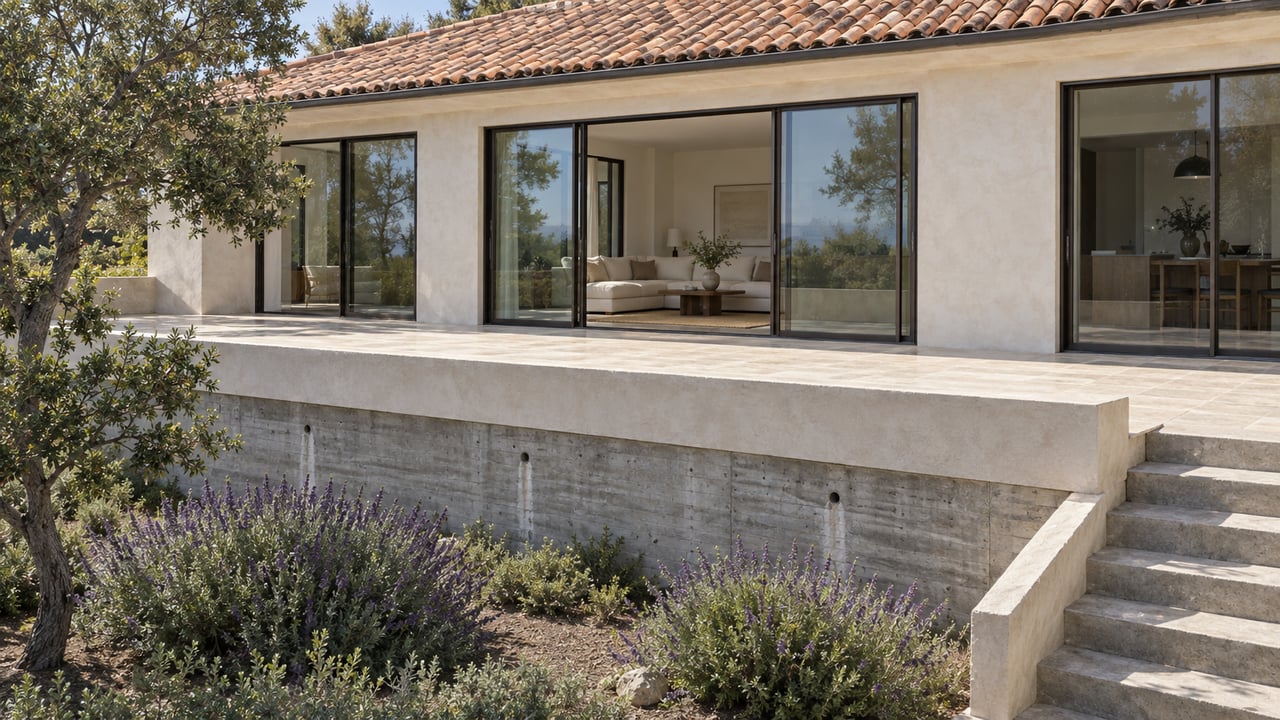
The inventory here leans heavily toward large single-family homes, with a secondary market of townhomes and condominiums. The architectural character runs toward modern California design - updated interiors, outdoor living spaces, that kind of thing.
Price scales with size and lot. The $2.1 million median is the middle of the range, not the ceiling. Smaller attached units bring the entry point down; custom estates push well past that median figure.
Detached homes make up the bulk of what trades here. Multi-car garages, private yards, modern finishes - buyers at or above the median should expect to find all of that, though they should also expect competition for anything well-priced.
New construction is genuinely rare. There isn't much undeveloped land left, so when a new build or a major renovation does come to market, it draws immediate attention and typically sells above asking.
Attached housing is the practical option for first-time buyers in Carmel Valley or anyone who wants a lower purchase price or less maintenance responsibility. Most complexes include shared amenities - pools, fitness centers - covered by a homeowners association.
That HOA coverage comes with mandatory monthly dues, and those fees vary by complex. Factor them into your monthly budget before you fall in love with a number on a listing sheet.
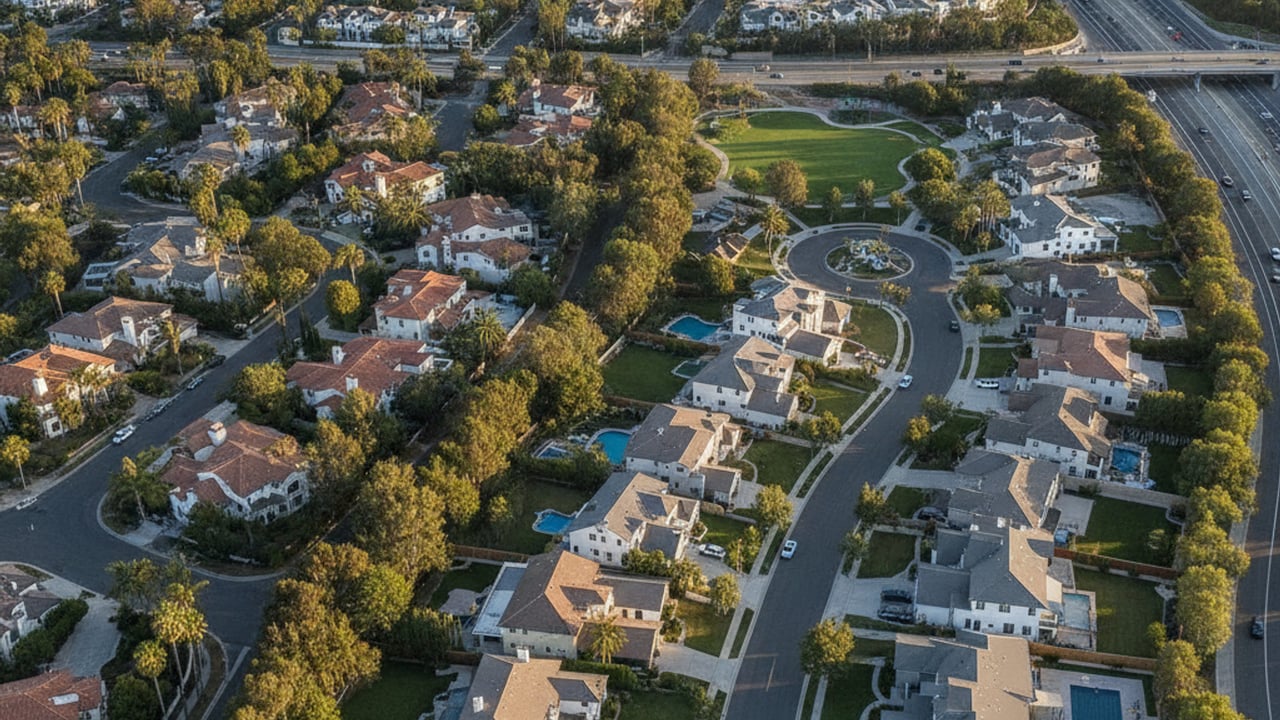
Carmel Valley is divided into several distinct subdivisions, each with its own lot sizes, street layout, and lifestyle. You'll find both gated communities and standard open residential streets depending on which pocket you're looking in.
The community is designed in a way that keeps most residential traffic off the main thoroughfares. For buyers who care about day-to-day quiet, that's worth noting. Proximity to major transit routes also makes the area genuinely workable for commuters.
The highest-priced homes tend to sit on larger lots with better privacy or elevated views. These properties clear the $2.1 million median by a significant margin, and they move fast - anyone selling a home in Carmel Valley at this price point often asks for proof of funds before they'll schedule a private showing.
Custom finishes and expansive outdoor entertaining spaces are standard at this tier. Don't expect to browse leisurely.
Townhome and condo concentrations are generally closer to the commercial plazas and transit access points - denser, more walkable, easier on yard maintenance. The trade-offs are obvious: closer neighbors and HOA rules you'll need to live with.
For buyers who want to walk to retail or simply don't want a lawn, these areas are worth a serious look.
Carmel Valley falls within San Diego's city limits, which means San Diego County jurisdiction and access to the broader Southern California economic region. It reads as suburban, but the connectivity to employment hubs is real.
Most residents drive. That's just the reality. The community connects to the rest of San Diego via major regional highways, and you can reach the coastline without a long haul.
The commute for most people here means getting in a car and driving - to commercial centers in San Diego or neighboring cities. Traffic runs on the usual rush-hour pattern, so do yourself a favor and actually test your specific route during peak times before you make an offer on something.
Public transit exists but isn't the primary way people get around. Garage space shows up consistently as a priority for buyers, and it's not hard to understand why.
The local commercial centers cover the basics - grocery stores, dining, daily errands. You're not driving across town for milk. For larger entertainment options or air travel, you're heading into central San Diego, but the driving distance to the regional airport is reasonable for frequent flyers.
The $2.1 million median is the headline number, but it's not the whole picture. California property taxes are assessed based on your purchase price, so your tax bill scales directly with what you pay. Budget accordingly.
Depending on the subdivision, you may also be looking at Mello-Roos assessments on top of standard property taxes, plus HOA dues, property insurance, and standard utility costs. None of those are optional line items.
Day-to-day costs - groceries, restaurants, services - are priced in line with other high-end Southern California communities. There's no surprise there. The more important discipline is looking at your full monthly number, not just the mortgage payment, before you decide what you can actually afford.
HOA finances deserve a close look before you close. Review the reserve fund documents. If a complex is underfunded for future repairs, that becomes your problem the moment you take title.
The climate is Mediterranean - mild, wet winters and warm, dry summers. Year-round outdoor use is genuinely realistic here, and the weather doesn't put much strain on heating or cooling systems.
The coastal fog pattern is worth knowing about: marine layer rolls in during the morning hours, especially in early summer, then burns off by afternoon. It's a natural cooling effect, and for most people it's a feature, not a complaint.
In a market where homes are selling in roughly 16 days, your agent's ability to stay on top of new inventory in real time is not a minor detail - it's the whole game. You need the best real estate agent in Carmel Valley monitoring listings actively, not someone who checks in a few times a week.
Local knowledge matters too. Understanding the price differences between specific subdivisions and knowing how to structure an offer when three other buyers are at the table - that comes from actually working this market, not just being licensed in California.
Talk to more than one agent before you sign a representation agreement. Ask specifically about their recent transactions within Carmel Valley and whether they can get you in for a showing on short notice. Those are practical tests, not interview theater.
Agents with established relationships among local listing brokers can sometimes get you early awareness of properties before they're formally listed. In a market with 60 active listings, that kind of network has real value.
California commissions are negotiable and are typically paid from the seller's proceeds, though the exact structure depends on the listing agreement. Ask your agent directly how they're compensated before you start touring homes.
Recent industry changes also mean you'll likely need to sign a buyer representation agreement outlining fees before you can tour properties. Read it. Understand whether there's any scenario where you'd have an out-of-pocket obligation, and ask your agent to explain it plainly.
The process follows standard California real estate procedures, but the pace here compresses everything. You're working through the same steps as anywhere else - you just don't have the luxury of dragging your feet between them.
It starts before you ever walk through a door. Get your finances reviewed, get formally pre-approved, and know your number. Once an offer is accepted, you're in escrow - typically 30 days to inspections, loan finalization, and closing documents.
Sellers expect to see a pre-approval letter or proof of funds attached to your offer. Given that a third of homes sell above list price, it's worth looking at properties that are a bit under your ceiling so you have room to compete without overextending.
Your agent will help you put together a purchase agreement that covers price, contingencies, and timeline. With only about 60 active listings in the market at any given time, clean offers with short inspection periods tend to win - not because you're giving anything away, but because they signal that you're a serious, prepared buyer.
Get the inspection done. Even if a property looks perfect, a professional inspector checks the roof, foundation, plumbing, and electrical - the things you can't see during a showing. Don't skip this step to make an offer look cleaner.
Closing costs for buyers in California typically run between 1% and 2% of the purchase price. That covers escrow services, title insurance, loan origination, and prepaid property taxes. On a $2.1 million purchase, that's a real number - plan for it well before you get to the closing table.
Yes. Many subdivisions here carry Mello-Roos assessments and mandatory HOA fees on top of standard property taxes. These costs add meaningfully to your monthly housing expense, so review the specific tax records and HOA documents for any property you're seriously considering - not after you're in contract, before.
It depends on where exactly the property sits. Homes near open brush or canyons can face stricter underwriting or higher premiums. Contact an insurance broker during escrow to confirm what's available and what it costs. Don't leave that conversation until the last week.
School boundaries shift, and your assignment is determined by the specific street address of the property you buy. Check directly with the local school district to verify current zoning maps. Listing descriptions are not a reliable source for this - go to the district.
Carmel Valley sits slightly inland and tends to offer newer housing with larger floor plans. Del Mar gives you immediate beach access but typically features older homes on smaller lots at a higher price point. Most buyers are making a trade-off between square footage and direct coastal proximity - there's no objectively right answer, just what matters more to you.
No - waiving contingencies isn't a hard requirement, though it makes your offer more attractive to sellers. Clean offers with short contingency periods often succeed without removing those protections entirely. Talk to your agent about the specific risks before you agree to waive anything. The inspection and appraisal contingencies exist for a reason.
Standard escrow runs about 30 days from mutual acceptance to closing. Cash purchases can close much faster - sometimes in as little as seven to ten days. Delays in loan underwriting or complicated repair negotiations can push that timeline out. Plan for 30 days and treat anything faster as a bonus.
52,209 people live in Carmel Valley, where the median age is 41 and the average individual income is $93,018. Data provided by the U.S. Census Bureau.
Total Population
Median Age
Population Density Population Density This is the number of people per square mile in a neighborhood.
Average individual Income
There's plenty to do around Carmel Valley, including shopping, dining, nightlife, parks, and more. Data provided by Walk Score and Yelp.
Explore popular things to do in the area, including Chocolate Fountains of San Diego, 904 Saffron, and San Diego Yoga Teacher.
| Name | Category | Distance | Reviews |
Ratings by
Yelp
|
|---|---|---|---|---|
| Dining | 0.17 miles | 0 reviews | 0/5 stars | |
| Dining | 0.42 miles | 0 reviews | 0/5 stars | |
| Active | 0.17 miles | 1 review | 5/5 stars | |
| Active | 0.17 miles | 6 reviews | 5/5 stars | |
| Active | 0.17 miles | 0 reviews | 0/5 stars | |
| Active | 0.28 miles | 0 reviews | 0/5 stars | |
| Active | 0.42 miles | 1 review | 5/5 stars | |
| Active | 0.42 miles | 0 reviews | 0/5 stars | |
| Active | 0.42 miles | 0 reviews | 0/5 stars | |
| Active | 0.42 miles | 0 reviews | 0/5 stars | |
| Active | 0.42 miles | 0 reviews | 0/5 stars | |
| Active | 0.42 miles | 0 reviews | 0/5 stars | |
| Active | 0.82 miles | 3 reviews | 5/5 stars | |
| Active | 0.92 miles | 1 review | 4/5 stars | |
| Active | 1.11 miles | 5 reviews | 4.4/5 stars | |
| Active | 1.15 miles | 1 review | 5/5 stars | |
| Beauty | 0.17 miles | 6 reviews | 4.3/5 stars | |
| Beauty | 0.17 miles | 1 review | 5/5 stars | |
| Beauty | 0.42 miles | 0 reviews | 0/5 stars | |
| Beauty | 0.42 miles | 1 review | 5/5 stars | |
| Beauty | 0.42 miles | 0 reviews | 0/5 stars | |
| Beauty | 0.42 miles | 0 reviews | 0/5 stars | |
| Beauty | 0.42 miles | 0 reviews | 0/5 stars | |
|
|
||||
|
|
||||
|
|
||||
|
|
||||
|
|
||||
|
|
Carmel Valley has 19,022 households, with an average household size of 3. Data provided by the U.S. Census Bureau. Here’s what the people living in Carmel Valley do for work — and how long it takes them to get there. Data provided by the U.S. Census Bureau. 52,209 people call Carmel Valley home. The population density is 6,796 and the largest age group is Data provided by the U.S. Census Bureau.
Total Population
Population Density Population Density This is the number of people per square mile in a neighborhood.
Median Age
Men vs Women
Population by Age Group
0-9 Years
10-17 Years
18-24 Years
25-64 Years
65-74 Years
75+ Years
Education Level
Total Households
Average Household Size
Average individual Income
Households with Children
With Children:
Without Children:
Marital Status
Blue vs White Collar Workers
Blue Collar:
White Collar:
Condominium Communities along South Sierra